

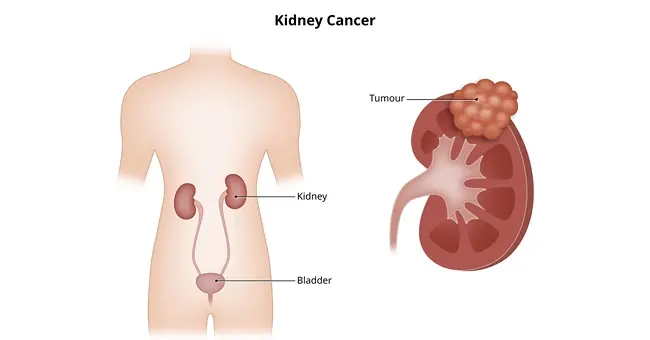
Kidney Cancer: Incidental Masses, Symptoms and Diagnosis
A kidney lump is often discovered unexpectedly during a scan for another reason. The report may call it a mass or lesion, but these words do not automatically mean cancer. Some findings are simple...
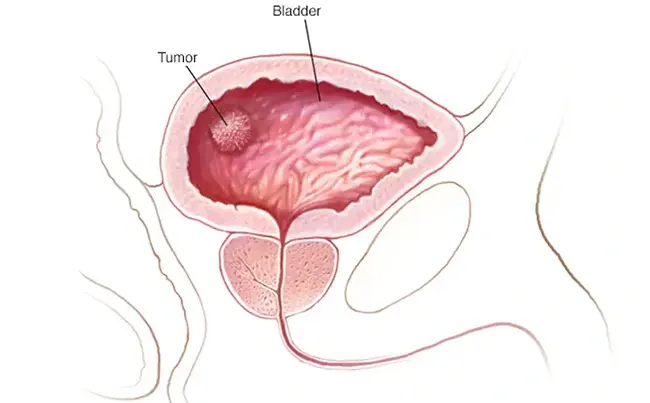
Muscle-invasive Bladder Cancer: Surgery, Bladder Preservation and Systemic Therapy
When bladder cancer reaches the muscle layer, treatment planning becomes a team discussion. The aim is to choose an approach that addresses the cancer while taking account of your health and daily...
Non-muscle-invasive Bladder Cancer: TURBT, Bladder Treatments and Surveillance
The phrase non-muscle-invasive bladder cancer means that the cancer has not grown into the main muscle layer of the bladder wall. It covers several situations, from small low-grade growths to changes...
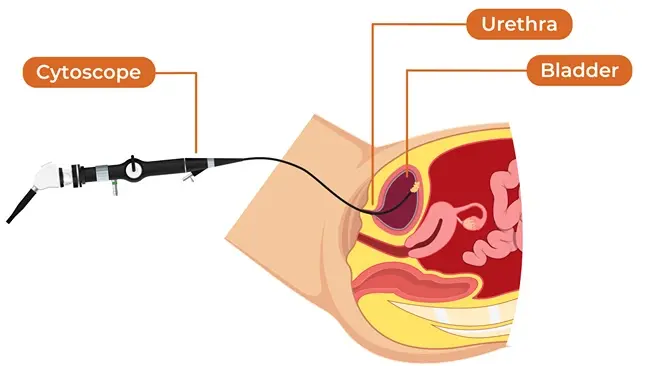
Bladder Cancer: Why Blood in the Urine Needs Investigation
Blood in the urine can appear as a pink tinge, a red colour, or occasional small clots. Sometimes it is found only on a urine test. There are several possible explanations, including infection and...
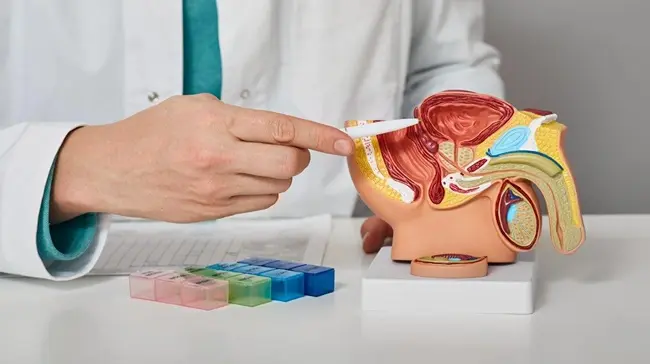
Prostate Cancer Treatment: Surveillance, Surgery, Radiotherapy and Systemic Care
After a prostate cancer diagnosis, the most useful question is not simply which treatment is newest. It is which approach fits the cancer and the person living with it. The choices can be very...
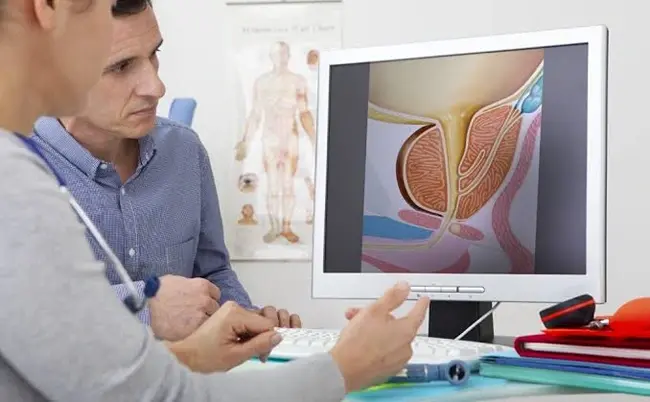
Raised PSA: Repeat Testing, MRI and Prostate Biopsy
Seeing a raised PSA on a blood-test report can lead to an immediate question: does this mean prostate cancer? The answer is that more information is needed. PSA is a useful clue, not a diagnosis. A...
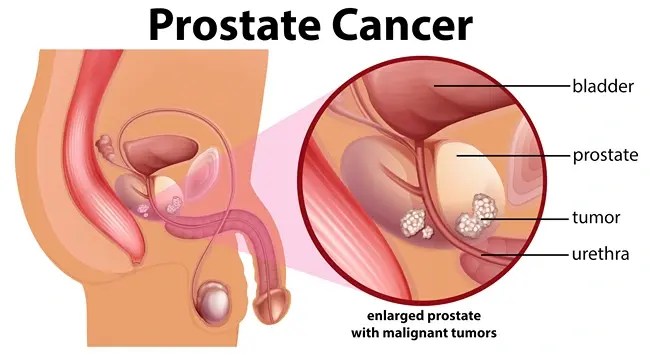
Prostate Cancer: Symptoms, Risk and Informed PSA Testing
Prostate cancer often develops without noticeable symptoms at first. That is why questions about checking the prostate are different from questions about treating a weak stream. A man may feel well...

Peyronie's Surgery: Plication, Grafting and Penile Prosthesis
Surgery for Peyronie's disease aims to make the penis straight enough for comfortable sexual function. It cannot promise to restore its exact earlier appearance or length. The choice between...

Non-surgical Peyronie's Treatment: Traction, Injections and Evidence Limits
Non-surgical care for Peyronie's disease should have a defined aim: easing pain, improving erection quality, or reducing deformity. These are different outcomes, and one treatment may not address all...

Peyronie's Disease: Penile Plaques, Pain and Curvature
Peyronie's disease involves scar tissue in the covering of the erectile bodies of the penis. This plaque can make an erection bend, narrow, or feel shorter. Pain and difficulty with erections may...


Leave a comment