

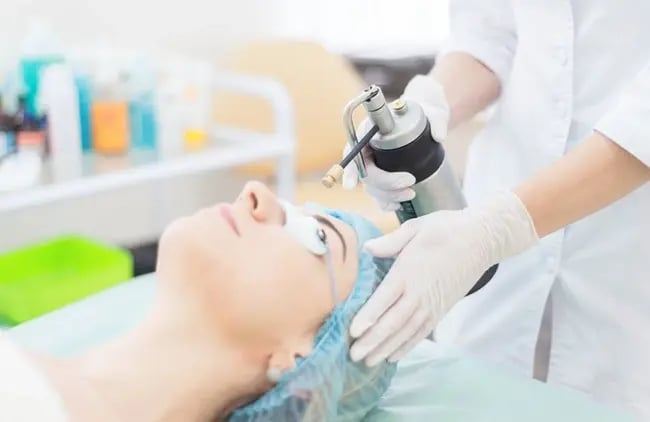
Viral skin lesions are common and can affect both children and adults. Although many of these skin conditions are harmless, they may become uncomfortable, spread to other areas, or cause emotional stress due to their appearance.
One of the most widely used dermatology treatments for viral skin lesions is cryotherapy, also known as freezing treatment. Many patients visiting dermatology clinics in Dubai often ask the same important question: “How many cryotherapy sessions will I need?”
The answer depends on several factors, including the type of viral lesion, its size, location, number, and how the individual’s immune system responds to treatment.
At DRHC Dubai Dermatology Department, patients receive personalized evaluation and treatment plans for viral skin lesions using safe and effective dermatological approaches, including cryotherapy when appropriate.
What Is Cryotherapy?
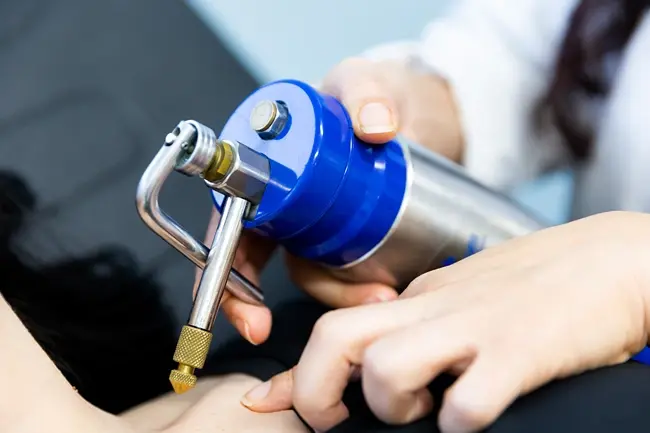
Cryotherapy is a medical treatment that uses extreme cold, typically liquid nitrogen, to freeze and destroy abnormal or infected skin tissue.
It is commonly used to treat:
- Viral warts
- Molluscum contagiosum
- Certain benign skin growths
- Some precancerous skin lesions
During the procedure, the affected skin area is briefly exposed to freezing temperatures, causing infected cells to break down and gradually disappear as the skin heals.
Which Viral Skin Lesions Are Commonly Treated With Cryotherapy?
Cryotherapy may be recommended for several viral skin conditions, including:
- Common warts on the hands or fingers
- Plantar warts on the feet
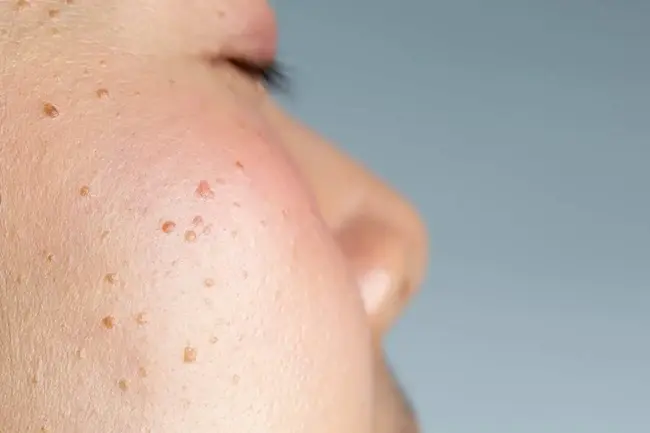
- Flat warts on the face or body
- Molluscum contagiosum
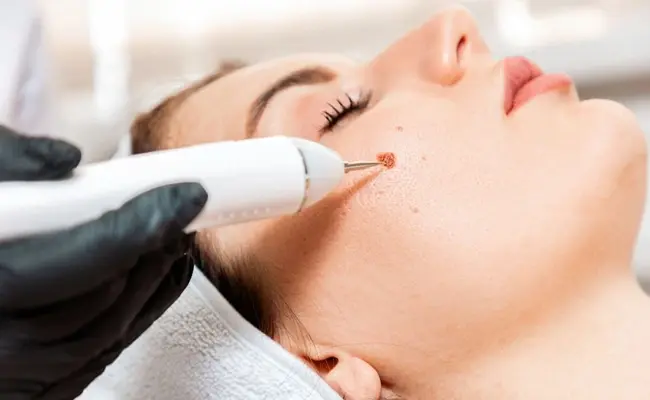
Patients seeking treatment for persistent lesions may also benefit from evaluation for skin tag, mole, and wart removal in Dubai.
How Many Cryotherapy Sessions Are Usually Needed?
The number of cryotherapy sessions varies from patient to patient. Some lesions respond after a single treatment, while others require multiple sessions for complete clearance.
On average:
- Small or newer lesions may improve after 1 to 2 sessions
- Thicker or deeper lesions may require 3 to 6 sessions
- Stubborn plantar warts sometimes need additional treatments
- Multiple lesions may require staged treatment over time
Sessions are usually spaced several weeks apart to allow the skin to heal and to assess treatment response.
Why Do Some Lesions Need More Sessions?
Several factors influence how quickly viral skin lesions respond to cryotherapy.
1. Type of Viral Lesion
Some viral infections are naturally more resistant to treatment than others. For example, plantar warts on the feet are often thicker and more difficult to treat compared to smaller common warts.
2. Size and Thickness
Larger or deeply rooted lesions usually require repeated freezing sessions to fully destroy infected tissue.
3. Number of Lesions
Patients with multiple lesions may need treatment over several appointments to avoid excessive skin irritation.
4. Immune System Response
The body’s immune system plays an important role in fighting viral infections. Some patients respond faster than others.
5. Location on the Body
Lesions on thicker skin areas, such as the soles of the feet, often take longer to resolve.
What Happens During a Cryotherapy Session?
Cryotherapy is usually performed as a quick outpatient dermatology procedure.
During treatment:
- The dermatologist examines the lesion
- Liquid nitrogen is applied directly to the affected area
- The skin freezes for several seconds
- The treated area may temporarily turn white or red
The procedure is generally brief, and most patients can resume normal activities afterward.
We understand that freezing treatments can sound intimidating, especially for children or first-time patients. In reality, cryotherapy is commonly performed in dermatology clinics and is carefully adjusted to minimize discomfort while maintaining effectiveness.
Does Cryotherapy Hurt?
Most patients experience a mild stinging, burning, or cold sensation during treatment. The discomfort is usually temporary and improves quickly after the procedure.
After treatment, the area may become:
- Red
- Slightly swollen
- Tender
- Mildly blistered in some cases
These effects are generally part of the normal healing process.
How Long Does It Take to See Results?
Some lesions begin shrinking within days, while others improve gradually over several weeks.
Patients are often advised to monitor:
- Reduction in lesion size
- Darkening or drying of the lesion
- Skin healing after blistering
- Appearance of new lesions nearby
Follow-up visits help determine whether additional cryotherapy sessions are needed.
What Are the Benefits of Cryotherapy for Viral Skin Lesions?
Cryotherapy offers several advantages:
- Quick outpatient treatment
- Minimal downtime
- Targeted treatment of infected tissue
- Suitable for many viral skin lesions
- Can help reduce spread of infection
Are There Any Risks or Side Effects?
Cryotherapy is generally considered safe when performed by qualified dermatology professionals. However, temporary side effects may occur.
Possible side effects include:
- Redness
- Swelling
- Blister formation
- Temporary skin discoloration
- Mild tenderness
- Rare scarring
Proper aftercare and follow-up help reduce the risk of complications.
How Should You Care for the Skin After Cryotherapy?
After treatment, patients are usually advised to:
- Keep the treated area clean and dry
- Avoid scratching or picking the skin
- Protect healing skin from excessive sun exposure
- Follow dermatologist instructions carefully
If irritation, pain, or signs of infection develop, medical review may be recommended.

Learn more about our Editorial Process.
Topic: Dermatology Cryotherapy



Leave a comment