

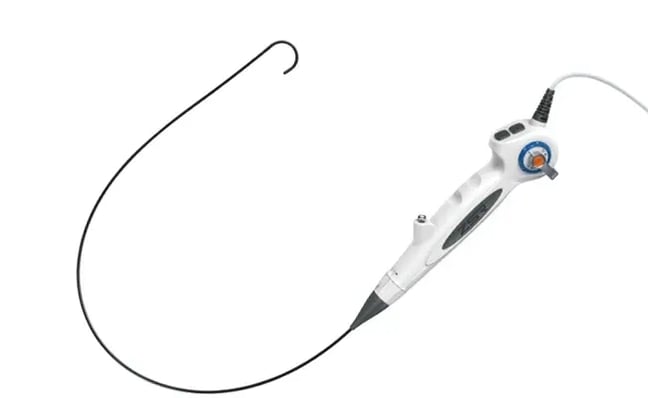
Retrograde intrarenal surgery, usually called RIRS or flexible ureteroscopy, reaches kidney stones through the natural urinary passage. A fine flexible telescope travels through the bladder and ureter into the kidney. A laser breaks stones into smaller pieces, which may be retrieved or left to pass as fine fragments. It avoids a skin puncture into the kidney, but still requires careful surgical planning.
When this approach is considered
Treatment depends on stone size, position, density, symptoms, and your urinary anatomy. RIRS can suit many kidney stones and some situations in which shockwave treatment is unlikely to work. Large or complex stones may be cleared more efficiently by percutaneous surgery. Not every stone needs immediate removal; stable small stones without obstruction or infection can sometimes be monitored. The decision should explain why intervention is needed now.
Before stone surgery
A scan maps the stones, and a urine test checks for infection. Tell the team about fever, previous resistant infections, blood thinners, pregnancy possibility, and other health problems. Infection behind an obstructing stone is urgent: drainage with a stent or nephrostomy and antibiotics may be needed before definitive stone treatment. Attempting to clear an infected, blocked kidney in the usual elective way can be dangerous.
What happens during RIRS?
Usually under general anaesthesia, the surgeon passes the scope through the urinary tract and uses laser energy under direct vision. Small baskets may retrieve selected fragments. If the ureter is too narrow to enter safely, the team may place a temporary stent and return later, allowing the passage to settle and widen. This staged approach can be safer than forcing access and does not necessarily mean something has gone wrong.
Why more than one session may be needed
Stone burden, difficult angles inside the kidney, and safe operating time affect how much can be treated in one sitting. A planned second procedure may be appropriate, especially for larger stones. A ureteric stent may help drainage after treatment; it is not required after every uncomplicated ureteroscopy. When one is inserted, leave with its removal or exchange date and contact details if the appointment does not arrive.
Recovery and symptoms
Many patients have a short hospital stay, but discharge depends on pain, infection concerns, and recovery from anaesthesia. Burning, blood-tinged urine and discomfort are possible; a stent can also cause urgency and kidney discomfort during urination. Use prescribed symptom relief and follow individual fluid advice. Seek urgent care for fever or chills, feeling very unwell, worsening flank pain, repeated vomiting, or inability to pass urine. Do not dismiss these as normal stent symptoms.
Checking clearance and preventing recurrence
A follow-up scan may be needed because pain relief does not prove that all the stones have gone. Small residual fragments sometimes need monitoring or further treatment. Collected stone material can guide prevention, and recurrent or higher-risk stone formers may need blood and urine investigations. A fluid and dietary plan should be realistic for your health and stone type. Removing the present stone does not remove the tendency to form another.
Discussing your options through DRHC
A consultation with Dr. Mansour Masoumi, Specialist Urologist, can help connect these choices with your symptoms, previous treatment, and practical priorities. Bring relevant results and a current medicine list. Care can be discussed and arranged through DRHC; the final treatment is chosen after an individual assessment and an explanation of the likely benefits, limitations, and alternatives.
Disclaimer:
This article is educational and does not replace a medical consultation. Do not use it for self-diagnosis or self-treatment, or to start, stop, or change medicines. Your doctor should guide decisions after assessing your circumstances.

Learn more about our Editorial Process.
Topic: Urology Blogs



Leave a comment