

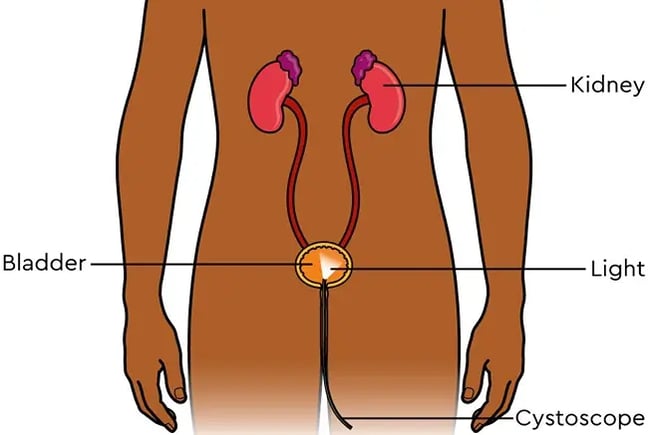
A ureteric stent is a narrow, flexible tube that helps urine travel from a kidney to the bladder. It sits inside the ureter, rather than passing out through the penis or vagina like a bladder catheter. Stents are commonly temporary. Understanding why yours was inserted, how it may feel, and when it must be removed is as important as the insertion itself.
Why drainage may be needed
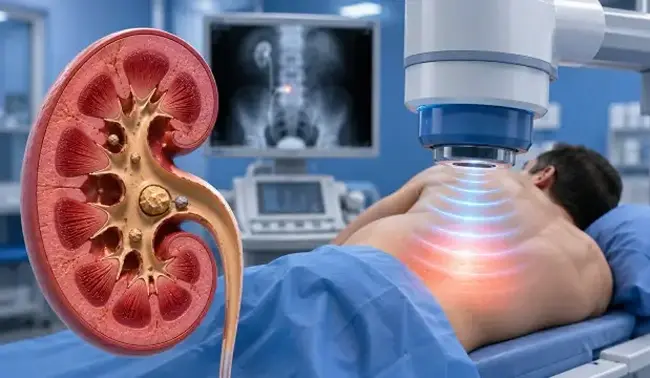
A stone, swelling after surgery, scar tissue or pressure from outside the ureter can obstruct urine flow. A stent may protect drainage while the cause is treated or the tissues recover. In an infected blocked kidney, urgent drainage and antibiotics can be lifesaving. The stent does not necessarily remove a stone or cure the condition causing the blockage. Further treatment may already be planned.
Insertion and removal
A surgeon commonly places the stent through a telescope passed into the bladder, using imaging to guide it upwards. Sometimes it is placed through an existing kidney drainage route. Curled ends help keep it positioned in the kidney and bladder. Removal may use a small flexible telescope under local anaesthetic, or a retrieval string when appropriate. Never pull a visible string unless the team has given you explicit instructions.
Symptoms you may notice
Urgency, more frequent urination, a little blood and discomfort in the bladder or kidney area can occur. Kidney discomfort during urination may result from urine moving back along the stent. Symptoms vary considerably and can increase after activity. These effects can resemble infection, so worsening symptoms should be discussed rather than automatically treated with leftover antibiotics. A urine test may help identify what is happening.
Making daily life manageable
Ask about suitable pain relief and whether a medicine could ease stent symptoms. Drink according to your care plan, particularly if you have heart or kidney disease. Gentle activity is often possible, while strenuous exercise may increase discomfort or bleeding. Work and travel plans depend on symptoms, the underlying condition and access to care. If there is a retrieval string, ask for specific advice about sex and avoiding accidental displacement.
The removal date matters
Before leaving, obtain the reason for the stent, the side treated, insertion date and planned removal or exchange date. Put the appointment in your calendar and keep the contact details. If no appointment arrives, contact the treating team rather than assuming the stent can remain indefinitely. A forgotten stent can become coated with stone material, infected or difficult to remove. Longer-term stents also need a scheduled exchange plan.
When symptoms need urgent assessment
Fever, chills, feeling very unwell, severe or increasing flank pain, repeated vomiting, inability to pass urine or heavy bleeding with clots requires urgent care. Continuous new leakage or a stent that appears displaced also needs prompt advice. Do not assume a stent guarantees drainage: it can block or move. After removal, follow the team’s advice and attend any review of the original stone or obstruction.
Discussing your options through DRHC
A consultation with Dr. Mansour Masoumi, Specialist Urologist, can help connect these choices with your symptoms, previous treatment, and practical priorities. Bring relevant results and a current medicine list. Care can be discussed and arranged through DRHC; the final treatment is chosen after an individual assessment and an explanation of the likely benefits, limitations, and alternatives.
Disclaimer:
This article is educational and does not replace a medical consultation. Do not use it for self-diagnosis or self-treatment, or to start, stop, or change medicines. Your doctor should guide decisions after assessing your circumstances.

Learn more about our Editorial Process.
Topic: Urology Blogs



Leave a comment