

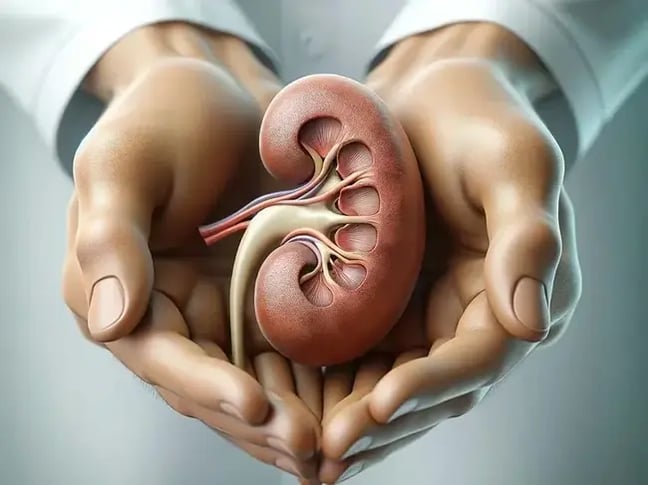
Mini-PCNL is a variation of percutaneous nephrolithotomy that uses a smaller access track into the kidney. Like standard PCNL, it reaches stones through a small skin opening and removes fragments under direct vision. Smaller access can offer advantages in selected patients, but does not automatically make it the best treatment. Stone clearance, infection, bleeding and the potential need for another procedure still need discussion.
What does mini actually mean?
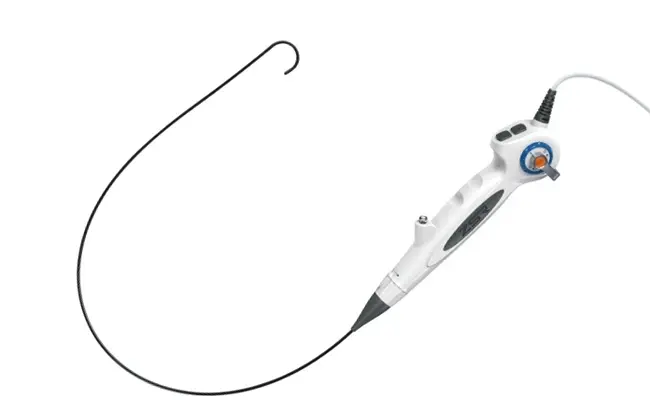
The term refers mainly to the diameter of the working channel, rather than a completely different operation. There are several smaller-track techniques and the naming is not identical across centres. The surgeon should explain the approach being proposed, how fragments will be removed and whether suction or other equipment will be used. This overview does not assume a particular instrument, laser, device brand or local equipment system.
How the route is created
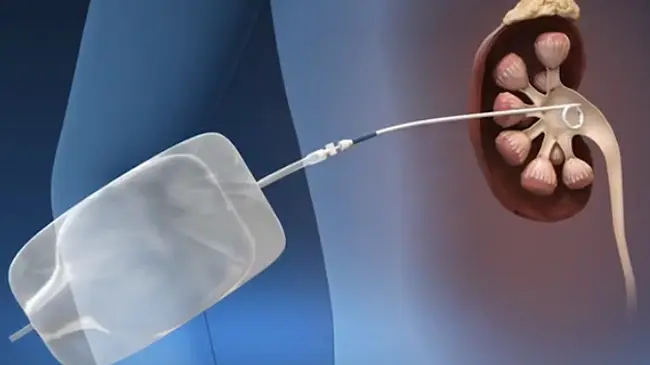
Under anaesthesia, imaging helps the surgeon enter a selected part of the kidney through the back or side. The track is widened enough for a small telescope, and the stones are broken and removed. A smaller passage can mean smaller instruments and fragments, which may affect treatment time. Temporary drainage may include a nephrostomy, ureteric stent or bladder catheter, depending on how the procedure goes.
Who may be considered?
Mini-PCNL can be useful for selected kidney stones when a direct route offers a clearance advantage over ureteroscopy or shockwave treatment. Stone size is only one consideration: number, location, hardness, and kidney anatomy also matter. Some large complex stones are better managed with a larger track, more than one access, or staged treatment. Other patients may favour flexible ureteroscopy to avoid a kidney puncture altogether.
The trade-offs to understand
Compared with standard PCNL, smaller access can reduce bleeding in selected settings. It cannot remove bleeding or infection risk, and treating a large stone volume through a narrow track may take longer. Comparisons depend on the stones and technique, so advertised recovery claims are not enough. Ask what outcome matters most in your case: a high chance of clearance in one session, a particular safety consideration, or the burden of repeat visits.
Preparation and early recovery
A urine culture, blood tests, and a review of imaging help the team plan. Infection must be addressed before elective treatment, and an infected, blocked kidney may need urgent drainage first. Discuss anticoagulants with the team and prescribing clinician. After surgery, monitoring includes comfort, urine drainage, bleeding, and signs of infection. Some patients leave relatively soon, but hospital stay and return to work should follow the actual recovery.
Leaving with a clear plan
Obtain instructions for any wound, tube, or stent and a confirmed review or removal arrangement. Follow the fluid advice appropriate for your kidney and heart health, and build activity gradually. Fever or chills, severe or worsening flank pain, repeated vomiting, heavy bleeding, faintness, or reduced drainage need urgent assessment. Later imaging checks for residual fragments, and stone analysis can help guide prevention. A smaller access track does not remove the need for follow-up.
Discussing your options through DRHC
A consultation with Dr. Mansour Masoumi, Specialist Urologist, can help connect these choices with your symptoms, previous treatment, and practical priorities. Bring relevant results and a current medicine list. Care can be discussed and arranged through DRHC; the final treatment is chosen after an individual assessment and an explanation of the likely benefits, limitations, and alternatives.
Disclaimer:
This article is educational and does not replace a medical consultation. Do not use it for self-diagnosis or self-treatment, or to start, stop, or change medicines. Your doctor should guide decisions after assessing your circumstances.

Learn more about our Editorial Process.
Topic: Urology Blogs



Leave a comment