

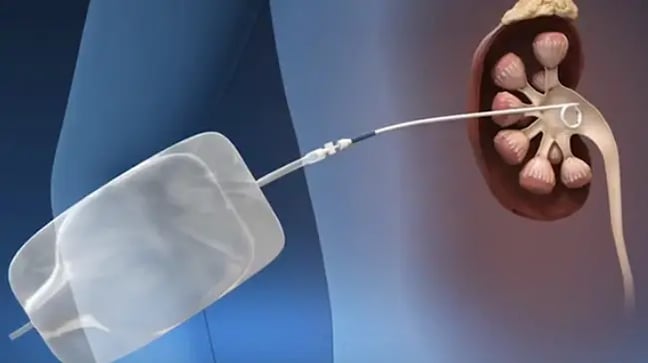
Percutaneous nephrolithotomy, or PCNL, removes kidney stones through a small opening in the skin of the back or side. It is often recommended for large or complex stones, including stones that branch through the kidney collecting system. The direct route allows the surgeon to break up and retrieve a substantial volume of stone. Keyhole access does not make it a minor procedure.
Why PCNL may be recommended
For kidney stones larger than about two centimetres, PCNL is commonly the preferred approach when treatment is necessary. It may also suit some smaller stones in difficult positions or after other treatments have failed. The scan shows stone burden, nearby organs, and the safest access route. Kidney function, infections, bleeding risk, and previous surgery also matter. Some complex stones require staged or combined procedures rather than a single operation.
Understanding the alternatives
Flexible ureteroscopy approaches the kidney from below through the ureter, while shockwave lithotripsy breaks stones from outside the body. These can be suitable alternatives in selected situations, but may need more sessions for large stones. Observation is not appropriate for every stone, particularly where infection, obstruction, or kidney damage is a concern. Your doctor should connect the recommendation to your own scans and health rather than the stone size alone.
Preparing for a safe procedure
Urine testing, blood tests, anaesthetic review, and detailed imaging are usual parts of preparation. An infected, obstructed kidney may need urgent drainage and antibiotics before stone removal. Blood-thinning medicines need an individual plan agreed with the prescribing clinician; do not stop them yourself. Tell the team about medication allergies, previous resistant infections, and any possibility of pregnancy. Follow the specific fasting and admission instructions you receive.
What happens in theatre?
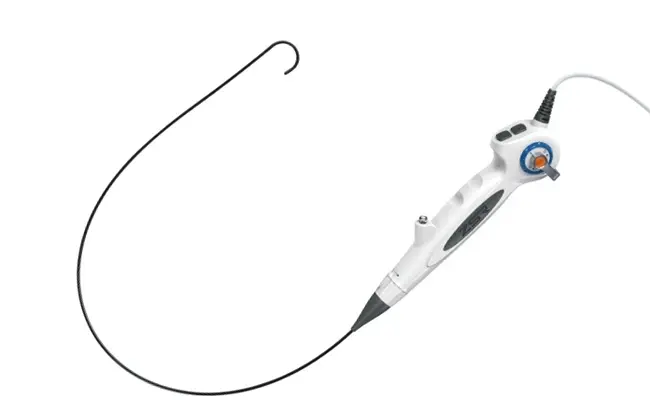
Under anaesthesia, the surgeon creates a small track into the kidney using imaging guidance and passes a telescope through it. Stones are fragmented and removed. More than one access track or a second procedure may be needed for complex stones. At the end, drainage may involve a nephrostomy tube through the skin, an internal ureteric stent, and sometimes a bladder catheter. Not every patient needs all of these tubes.
Bleeding, infection, and hospital recovery
Bleeding is an important PCNL risk because the access passes through kidney tissue. Occasionally, a transfusion or another procedure to control bleeding is required. Infection can also occur despite careful preparation. The team monitors urine, blood tests, pain, and overall recovery before discharge. Ask why your proposed approach balances stone clearance with these risks, especially if you have anaemia, a bleeding disorder, or a history of serious urinary infection.
Home care and follow-up
Follow written guidance for dressings, any drainage tube, medicines, activity, and fluids. Recovery is generally measured in weeks, and strenuous work may need longer. Seek urgent help for fever or chills, increasing flank pain, heavy bleeding or clots, dizziness, breathlessness, repeated vomiting, or poor urinary drainage. Follow-up imaging checks for the remaining stone, and tube or stent removal must be scheduled. Stone analysis and a prevention plan address the risk of future stones.
Discussing your options through DRHC
A consultation with Dr. Mansour Masoumi, Specialist Urologist, can help connect these choices with your symptoms, previous treatment, and practical priorities. Bring relevant results and a current medicine list. Care can be discussed and arranged through DRHC; the final treatment is chosen after an individual assessment and an explanation of the likely benefits, limitations, and alternatives.
Disclaimer:
This article is educational and does not replace a medical consultation. Do not use it for self-diagnosis or self-treatment, or to start, stop, or change medicines. Your doctor should guide decisions after assessing your circumstances.

Learn more about our Editorial Process.
Topic: Urology Blogs



Leave a comment