


The phrase non-muscle-invasive bladder cancer means that the cancer has not grown into the main muscle layer of the bladder wall. It covers several situations, from small low-grade growths to changes needing closer treatment and monitoring. Your pathology report helps the team decide which situation applies to you and what should happen after the initial procedure.
Removing and examining the growth
A procedure called TURBT removes visible bladder tumour through an instrument passed along the urinary passage. The tissue goes to the laboratory, where specialists assess its type, grade, and depth. The operation, therefore, helps with both diagnosis and treatment. In some circumstances, a further resection is recommended to obtain more information or make sure the initial treatment is complete.
Why the laboratory report matters
Some patients receive medicine placed into the bladder through a temporary catheter. This is called intravesical treatment. Depending on the situation, it may be chemotherapy or BCG, a treatment that stimulates a local immune response. This is different from chemotherapy delivered into the bloodstream. A course may involve several visits, and the team explains preparation and care after each treatment.
Treatment directly inside the bladder
Some patients receive medicine placed into the bladder through a temporary catheter. This is called intravesical treatment. Depending on the situation, it may be chemotherapy or BCG, a treatment that stimulates a local immune response. This is different from chemotherapy delivered into the bloodstream. A course may involve several visits, and the team explains preparation and care after each treatment.
Why follow-up continues
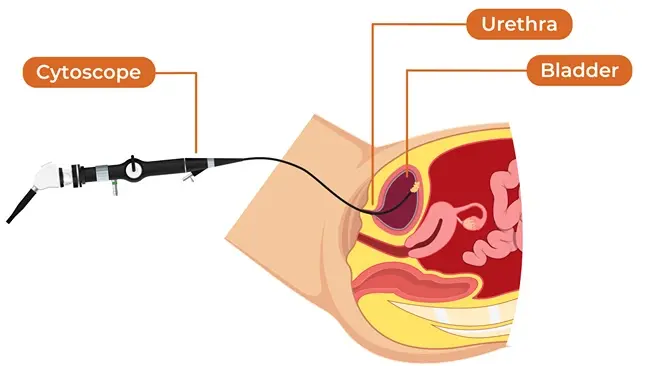
Even after a visible tumour has been removed, the bladder lining needs monitoring. Cystoscopy is commonly used to look for new changes, with other tests added when appropriate. The schedule depends on the individual tumour features rather than being identical for everyone. Keeping appointments matters even when you have no symptoms, because small changes may not produce anything you can feel.
Making the pathway manageable
Before leaving a results appointment, ask for the next treatment date and follow-up plan in writing. Mention work, travel, and caring responsibilities so practical arrangements can be discussed. If you smoke, support to stop is worthwhile. A minority of higher-risk situations need a discussion of more extensive treatment, but that decision follows a review of the actual pathology and response, not the label alone.
Your next step
At DRHC, Dr. Mansour Masoumi, Specialist Urologist, can review your symptoms, previous results, and personal priorities. Bring a list of medicines and any questions you want answered. The final choice of investigation or treatment follows a full assessment and a discussion with your doctor about what is appropriate for you.
Disclaimer
This article provides general information only and does not replace a medical consultation. Do not use it to diagnose yourself, choose a procedure, or start, stop, or change treatment. Decisions about your care should be made with your doctor after an individual assessment.

Learn more about our Editorial Process.
Topic: Urology Blogs



Leave a comment