

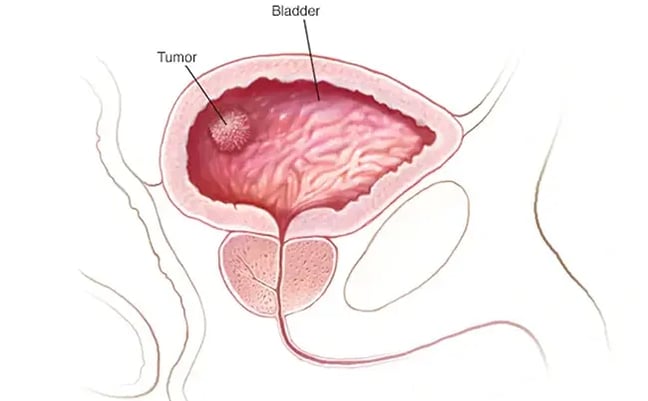
When bladder cancer reaches the muscle layer, treatment planning becomes a team discussion. The aim is to choose an approach that addresses the cancer while taking account of your health and daily life. The options may include bladder removal, a bladder-preserving combination of treatments, and medicines given before or after local treatment. Not every option fits every cancer.
The information needed first
The team reviews the bladder tissue results and scans to understand where the cancer is located and whether it has spread. Kidney function and general fitness also affect the choices. Ask which tests are still outstanding and when the findings will be discussed together. A clear overview is more useful than trying to interpret individual scan phrases without the full picture.
Surgery and a new route for urine
Radical cystectomy is an operation to remove the bladder, often together with nearby lymph nodes and other tissues as appropriate. Urine then needs another route out of the body. Options can include a stoma connected to a collection bag or, for selected patients, a replacement reservoir. Specialist nurses help explain the practical differences and what learning to manage the new arrangement involves.
When bladder preservation is possible
Selected patients may be considered for a combination of thorough tumour removal through the urinary passage, radiotherapy, and a medicine that supports the radiation treatment. This is often called trimodality treatment. Keeping the bladder also means continued close checks. Suitability depends on the tumour, bladder function, and other findings; it is not simply a less extensive version of the same operation.
The role of cancer medicines
Medicines may be used before surgery, after surgery, or for a disease that has spread. Chemotherapy, immunotherapy, and other systemic treatments have different roles. Which approach is suitable depends on the current evidence, kidney function, cancer features, and previous treatment. The oncology team will explain the purpose of each medicine and how it fits with the local treatment plan.
Prepare for the practical discussion
Ask about recovery support, work, nutrition, sexual function, and how urine will be managed. These are ordinary parts of cancer care, not questions to leave until the last moment. A family member or trusted companion can help record the plan if you wish. Follow-up remains important after either surgery or bladder-preserving treatment and should be explained before the treatment course finishes.
Your next step
At DRHC, Dr. Mansour Masoumi, Specialist Urologist, can review your symptoms, previous results, and personal priorities. Bring a list of medicines and any questions you want answered. The final choice of investigation or treatment follows a full assessment and a discussion with your doctor about what is appropriate for you.
Disclaimer
This article provides general information only and does not replace a medical consultation. Do not use it to diagnose yourself, choose a procedure, or start, stop, or change treatment. Decisions about your care should be made with your doctor after an individual assessment.

Learn more about our Editorial Process.
Topic: Urology Blogs




Leave a comment