

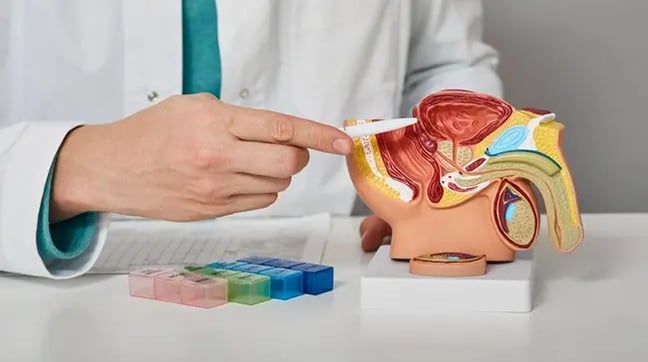
After a prostate cancer diagnosis, the most useful question is not simply which treatment is newest. It is which approach fits the cancer and the person living with it. The choices can be very different for a small, slow-growing cancer and a cancer that has spread. A clear explanation of the test results helps make the next conversation easier.
Understanding the treatment plan
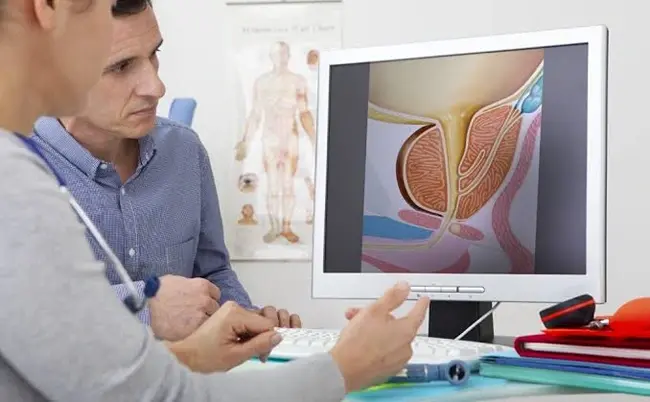
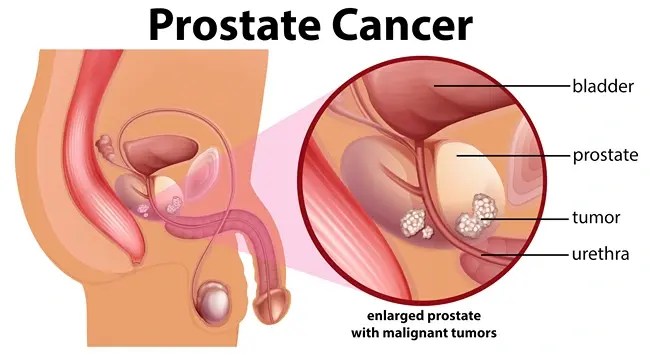
Your team considers the cancer grade, how far it extends, PSA results and any scans. Your general health, urinary symptoms and personal priorities also matter. A specialist team may include urologists, cancer physicians and radiotherapy specialists. Their recommendations should explain the aim of treatment: monitoring safely, treating a local cancer or controlling disease more widely.
When monitoring is an active choice
Some men with selected localised cancers are offered active surveillance. This means scheduled checks rather than ignoring the diagnosis. These can include PSA testing, MRI and repeat tissue sampling when appropriate. Treatment can be reconsidered if findings change. Watchful waiting is a different approach, usually focused on managing symptoms when they arise rather than pursuing intensive monitoring for curative treatment.
Surgery and radiotherapy
Surgery removes the prostate and may be discussed when cancer is confined to, or close to, the gland. Radiotherapy treats cancer using carefully planned radiation and may be delivered from outside the body or, in selected cases, internally. Both approaches require a conversation about recovery and possible effects on daily life, including bladder control and sexual function. They are not interchangeable for every patient.
When medicines form part of care
Hormone treatment reduces the effect of male hormones on prostate cancer and may accompany radiotherapy or form part of treatment for more advanced disease. Other medicines, including chemotherapy and selected targeted treatments, are used according to the cancer features and previous treatment. The precise combination is a specialist decision; an online treatment list cannot establish which medicines you need.
Living through treatment
Ask about appointments, work, exercise, intimate relationships, and support for symptoms. These practical questions belong in the treatment discussion from the beginning. Follow-up is important whichever approach is chosen. Your team can explain what will be monitored and how a change in results would be handled, so you leave with a clear next step rather than a collection of unfamiliar treatment names.
Your next step
At DRHC, Dr. Mansour Masoumi, Specialist Urologist, can review your symptoms, previous results, and personal priorities. Bring a list of medicines and any questions you want answered. The final choice of investigation or treatment follows a full assessment and a discussion with your doctor about what is appropriate for you.
Disclaimer
This article provides general information only and does not replace a medical consultation. Do not use it to diagnose yourself, choose a procedure, or start, stop, or change treatment. Decisions about your care should be made with your doctor after an individual assessment.

Learn more about our Editorial Process.
Topic: Urology Blogs



Leave a comment