

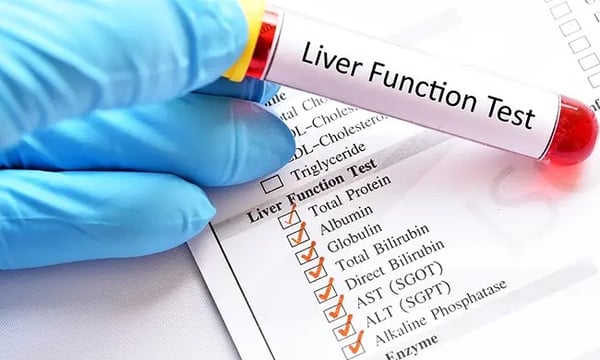
Being told that your ALT, AST or GGT levels are high can be worrying, especially if you feel completely healthy. An abnormal liver blood test does not automatically mean that you have serious liver disease. These results can change for many reasons, and the important step is understanding why they are elevated.
If abnormal liver tests were found during a routine health check in Dubai, a gastroenterology assessment can help determine whether further testing or monitoring is needed.
What Do ALT, AST, and GGT Tell You?
ALT, AST, and GGT are enzymes measured through blood tests. They can provide clues about irritation, injury, or changes involving the liver and biliary system.
- ALT (alanine aminotransferase): Primarily found in the liver. An elevated ALT can indicate liver cell irritation or injury.
- AST (aspartate aminotransferase): Found in the liver as well as muscles and other tissues. An elevated AST therefore does not always indicate a liver problem.
- GGT (gamma-glutamyl transferase): Can increase with certain liver and bile duct conditions and may also be affected by alcohol and some medicines.
The meaning of an abnormal result depends on the level, your symptoms, other blood tests, medical history, and sometimes imaging.
Why Might Liver Enzymes Be High?
There are many possible explanations. Common causes include:
- Fatty liver disease
- Viral hepatitis
- Alcohol-related liver injury
- Gallbladder or bile duct problems
- Some medicines or supplements
- Muscle injury or strenuous exercise, particularly when AST is elevated
- Other liver conditions, including autoimmune or metabolic disorders
Because the causes are varied, one abnormal number should not be interpreted in isolation.
When Is a Gastroenterology Consultation Recommended?
You should consider seeing a gastroenterologist if your liver enzymes remain elevated, are significantly above the normal range, or are accompanied by other abnormal test results.
A consultation is also appropriate if you have:
- Repeatedly abnormal ALT, AST, or GGT results
- Fatty liver was identified on an ultrasound
- A history of hepatitis or another liver condition
- Unexplained abdominal discomfort or persistent fatigue
- Risk factors such as diabetes, excess weight, or high cholesterol
- Several abnormal liver-related blood tests
At the Dr. Rami Hamed Center (DRHC) in Dubai, the Gastroenterology Clinic can help evaluate abnormal liver tests and determine whether further investigation is appropriate.
What Happens During the Assessment?
Your gastroenterologist may first review previous blood tests, medications, supplements, alcohol intake, medical conditions, weight, and other risk factors.
Depending on the situation, additional tests may include:
Repeat Liver Blood Tests
Sometimes the first step is to repeat the tests to see whether the abnormality persists or was temporary.
Additional Blood Tests
Other tests may be used to investigate viral hepatitis, inflammation, metabolic conditions, or other possible causes.
Abdominal Ultrasound
An ultrasound can help examine the liver and gallbladder and may identify fatty changes, gallstones, or other abnormalities.
More information is available through Liver Function Tests at DRHC.
Does a High ALT or AST Always Mean Liver Damage?
No. An elevated result is a signal that needs interpretation, rather than a diagnosis by itself.
For example, AST can rise because of muscle injury or strenuous physical activity. Similarly, GGT can be affected by several factors besides serious liver disease. Your doctor will look at the pattern of results and your overall health before deciding what the findings mean.
What If Your Results Are Only Slightly High?
A mild elevation does not necessarily mean that you have a serious condition. Your doctor may recommend repeating the tests, reviewing possible causes, and checking whether other results or symptoms suggest the need for further investigation.
It is also important not to panic or stop prescribed medication on your own simply because your liver tests are abnormal. Discuss any concerns about medicines or supplements with your healthcare professional.
When Should High Liver Enzymes Be Treated Urgently?
Seek prompt medical attention if abnormal liver tests occur together with symptoms such as:
- Yellowing of the skin or eyes
- Very dark urine or unusually pale stools
- Severe or persistent abdominal pain
- Repeated vomiting
- Fever with significant abdominal symptoms
- Confusion, extreme drowsiness, or marked weakness
These symptoms can sometimes indicate a more urgent liver, gallbladder, or bile duct problem.

Learn more about our Editorial Process.
Topic: Gastroenterolgy Fatty Liver




Leave a comment