

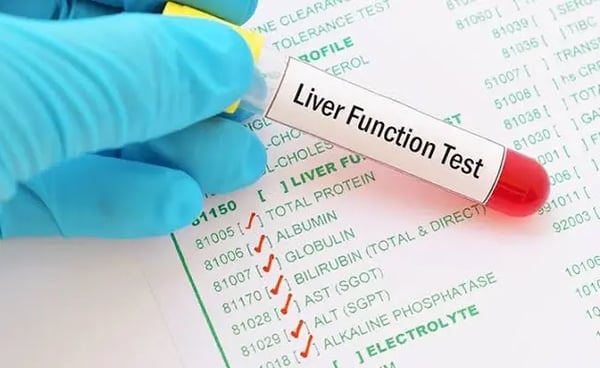
Seeing abnormal liver blood test results can be worrying, especially if your report shows elevated ALT, AST, or GGT. Many patients immediately wonder whether they have serious liver disease. In reality, these blood tests provide important clues about your liver health, but they do not tell the whole story on their own.
At Dr. Rami Hamed Center (DRHC) Dubai, our gastroenterology specialists carefully interpret liver blood tests alongside your symptoms, medical history, imaging studies, and other investigations to identify the underlying cause and recommend the most appropriate treatment.
What Are Liver Blood Tests?
Liver Function Tests (LFTs) are a group of blood tests that help assess how well your liver is functioning and whether it has been injured or inflamed. Among the most commonly measured enzymes are ALT, AST, and GGT.
These enzymes normally exist inside liver cells. When liver cells become irritated or damaged, small amounts can leak into the bloodstream, causing the test results to rise.
What Does ALT Mean?
Alanine Aminotransferase (ALT) is one of the most liver-specific enzymes. Elevated ALT often indicates inflammation or injury affecting the liver.
Higher ALT levels may be associated with:
- Fatty Liver Disease
- Hepatitis B or Hepatitis C
- Certain medications
- Viral infections
- Other forms of liver disease
A mildly elevated ALT does not necessarily indicate severe liver damage, but it should always be evaluated in the context of other findings.
What Does AST Mean?
Aspartate Aminotransferase (AST) is another enzyme released when cells are damaged. Unlike ALT, AST is also found in muscles, the heart, and other organs.
For this reason, an elevated AST level is not always caused by liver disease. Your doctor will compare AST with ALT and other test results to better understand its significance.
What Does GGT Mean?
Gamma-Glutamyl Transferase (GGT) helps identify conditions affecting the liver and bile ducts. It is particularly useful when evaluating:
- Bile duct disorders
- Fatty liver
- Certain medications
- Long-standing liver disease
- Other hepatobiliary conditions
An elevated GGT often prompts additional investigations to determine why the liver or bile ducts are under stress.
Do High Liver Enzymes Always Mean Serious Liver Disease?
No. Mildly abnormal liver enzymes are common and can occur for many reasons. Some people have temporary elevations due to viral illnesses, medications, or recent strenuous exercise. Others may have persistently abnormal results because of fatty liver or chronic liver disease.
The degree of elevation alone does not determine how serious the condition is. Your doctor considers the overall pattern of results together with your symptoms and imaging findings.
What Additional Tests Might Be Recommended?
If your liver blood tests are abnormal, further evaluation may include:
- Repeat Liver Function Tests
- Liver ultrasound
- Assessment for Fatty Liver Disease
- Screening for viral hepatitis
- Assessment of liver fibrosis when appropriate
- Evaluation of diabetes, cholesterol, and metabolic health
These investigations help identify the cause and determine whether treatment or long-term monitoring is required.
When Should You See a Gastroenterologist?
You should arrange a specialist consultation if:
- Your ALT, AST, or GGT remains elevated on repeat testing.
- Your ultrasound shows a fatty liver.
- You have symptoms such as persistent fatigue, jaundice, abdominal discomfort, or unexplained weight loss.
- You have diabetes, obesity, or a family history of liver disease.
- Your doctor recommends further liver assessment.

Learn more about our Editorial Process.
Topic: Gastroenterolgy Fatty Liver






Leave a comment