

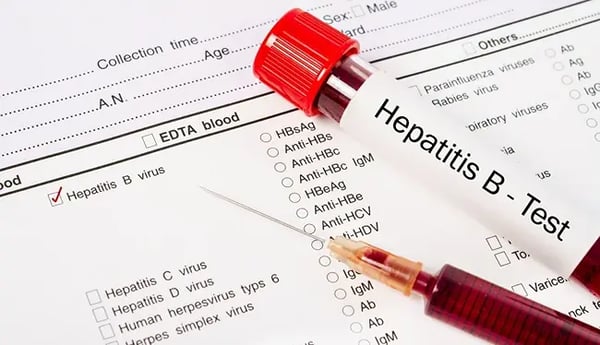
Being told that a blood test has detected hepatitis B can understandably cause fear and uncertainty. You may immediately wonder whether you have a serious liver problem or whether you can pass the infection to someone you love.
Try not to jump to conclusions from one test result. Hepatitis B blood tests can mean different things, and further testing is often needed to determine whether the infection is current, past, or simply indicates immunity.
What Does a Positive Hepatitis B Test Mean?
Hepatitis B is a viral infection that can affect the liver. Some people clear the infection naturally, while others develop a chronic hepatitis B infection that requires long-term monitoring and, in some cases, treatment.
The exact meaning of a positive result depends on which hepatitis B marker was detected. Common tests include:
- HBsAg: Can indicate a current hepatitis B infection.
- Anti-HBs: Usually indicates immunity from previous infection or vaccination.
- Anti-HBc: Indicates previous or current exposure to hepatitis B.
- HBeAg and anti-HBe: May provide information about viral activity.
- HBV DNA: Measures the amount of hepatitis B virus in the blood.
This is why a result labelled simply as “positive” should be reviewed by a healthcare professional rather than interpreted on its own.
What Should You Do After a Positive Result?
The next step is to arrange a medical assessment, preferably with a doctor experienced in liver conditions. Bring your blood-test report and any previous medical records with you.
Your doctor may recommend:
- Repeating or confirming certain hepatitis B tests
- Checking liver enzymes such as ALT and AST
- Measuring HBV DNA to assess viral activity
- Checking for hepatitis A, hepatitis C, and other relevant infections
- Assessing liver health and possible fibrosis or scarring
- Reviewing whether regular monitoring or treatment is appropriate
Does a Positive Test Mean You Have Chronic Hepatitis B?
Not necessarily. A single positive result does not always establish chronic infection.
If hepatitis B surface antigen remains detectable for six months or longer, this can indicate chronic hepatitis B infection. Your doctor may therefore recommend follow-up testing over time before making a long-term assessment.
Can Hepatitis B Damage the Liver?
Chronic hepatitis B can cause ongoing inflammation in the liver. Over many years, some people may develop fibrosis, cirrhosis, or liver cancer.
However, having hepatitis B does not mean that these complications will definitely occur. Regular medical monitoring can help identify changes early and determine whether treatment is needed.
Will You Need Treatment?
Not everyone with hepatitis B needs immediate medication. Treatment decisions depend on factors such as:
- HBV DNA levels
- ALT and other liver blood-test results
- The degree of liver inflammation or fibrosis
- Your age and overall health
- Whether there are signs of cirrhosis or other liver complications
Some people may simply need regular monitoring, while others may benefit from antiviral treatment.
Can You Pass Hepatitis B to Someone Else?
Yes. Hepatitis B can be transmitted through infected blood and certain body fluids. It can also be passed from an infected mother to her baby during childbirth.
Until your status has been fully assessed, it is important to discuss prevention with your healthcare professional. Household and sexual contacts may need to be tested and vaccinated if they are not already immune.
What About Family Members?
If you have a confirmed hepatitis B infection, close family members and sexual partners should discuss testing with their healthcare provider. Hepatitis B vaccination is an effective way to prevent infection in people who are not already immune.
Do not feel ashamed or blame yourself. Hepatitis B is a medical condition, and discovering it gives you an opportunity to take appropriate steps to protect your health and the people around you.
Can You Have Hepatitis B Without Symptoms?
Yes. Many people with hepatitis B have few or no symptoms, particularly during chronic infection. This is one reason hepatitis B may be discovered unexpectedly during a routine blood test, health screening, pregnancy assessment or pre-procedure check.
When symptoms do occur, they may include fatigue, nausea, loss of appetite, abdominal discomfort, dark urine or yellowing of the skin and eyes.
When Should You Seek Medical Attention Quickly?
Seek prompt medical assessment if you develop yellow skin or eyes, severe abdominal pain, persistent vomiting, confusion, significant swelling of the abdomen, or unusual bleeding.
These symptoms can have several causes but may indicate a significant liver or other medical problem that requires urgent evaluation.

Learn more about our Editorial Process.
Topic: Gastroenterolgy Liver Disease



Leave a comment