

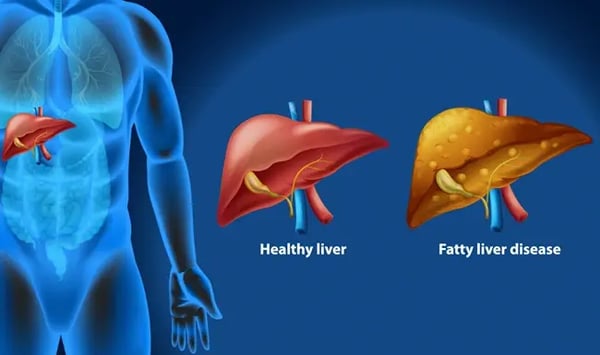
Receiving a diagnosis of fatty liver disease can leave many people wondering whether the condition is permanent. The encouraging news is that, in many cases, fatty liver can be reversed, particularly when it is identified early and the underlying causes are addressed.
For many patients in Dubai, fatty liver is discovered during a routine health check or abdominal ultrasound before any symptoms develop. Acting early can significantly improve liver health and reduce the risk of long-term complications.
What Does "Reversing Fatty Liver" Mean?
Reversing fatty liver means reducing the amount of fat stored inside the liver cells and allowing the liver to function more normally. When managed early, the liver has an impressive ability to repair itself.
Improvement may include:
- Reduced fat accumulation in the liver
- Improved liver blood test results
- Lower risk of liver inflammation
- Reduced the likelihood of developing fibrosis or cirrhosis
- Better overall metabolic health
The earlier treatment begins, the greater the chance of reversing the condition.
Who Has the Best Chance of Recovery?
Most people with early-stage fatty liver can achieve significant improvement through healthy lifestyle changes. The best outcomes are usually seen before permanent liver scarring develops.
Factors that improve the chances of recovery include:
- Early diagnosis
- Gradual and sustainable weight loss
- Regular physical activity
- Good control of diabetes, blood pressure, and cholesterol
- Regular follow-up with a gastroenterologist
How Do Doctors Know the Liver Is Improving?
Improvement is not measured by symptoms alone. Many people with fatty liver feel completely well, even before treatment begins.
Your doctor may monitor progress using:
- Liver Function Tests such as ALT, AST, and GGT
- Follow-up ultrasound examinations
- Assessment for liver fibrosis when appropriate
- Changes in body weight and waist circumference
- Improvement in blood sugar and cholesterol levels
It is important to remember that normal liver enzyme levels do not always mean the fatty liver has completely resolved, which is why ongoing assessment may still be recommended.
What Lifestyle Changes Make the Biggest Difference?
There is no single treatment that works for everyone. Instead, long-term lifestyle improvements remain the cornerstone of managing fatty liver disease.
- Achieve gradual weight loss rather than rapid dieting.
- Follow a balanced eating pattern rich in vegetables, fruits, whole grains, and lean protein.
- Exercise regularly with a combination of aerobic activity and strength training.
- Manage diabetes, cholesterol, and high blood pressure.
- Attend regular medical follow-up appointments.
For patients who struggle to lose weight despite lifestyle efforts, a medically supervised Weight Loss Programme may be considered as part of a comprehensive treatment plan.
Can Fatty Liver Return?
Yes. Even after significant improvement, fatty liver can return if healthy habits are not maintained. Weight regain, uncontrolled diabetes, and a sedentary lifestyle can all contribute to fat building up in the liver again.
Regular follow-up helps detect recurrence early and allows treatment plans to be adjusted when necessary.
When Should You See a Gastroenterologist?
Specialist assessment is recommended if:
- Your ultrasound shows a fatty liver.
- Your liver blood tests remain abnormal.
- You have diabetes, obesity, or metabolic syndrome.
- You have a family history of liver disease.
- Your doctor suspects liver fibrosis or another liver disease.
At DRHC Dubai's Gastroenterology Clinic, patients receive comprehensive evaluation, advanced investigations, and personalised treatment plans designed to improve liver health and reduce future complications.

Learn more about our Editorial Process.
Topic: Gastroenterolgy Fatty Liver



Leave a comment