


Antenatal hydronephrosis means the urine-collecting space inside a baby’s kidney looks wider than expected on a pregnancy ultrasound. It may also be called urinary tract dilatation. This is a scan finding, not a complete diagnosis of blockage or kidney damage. Many mild cases improve, while more significant findings need a clear plan for specialist review and assessment after birth.
What the ultrasound shows
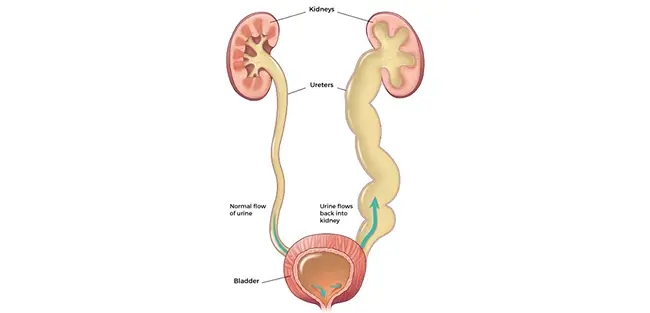
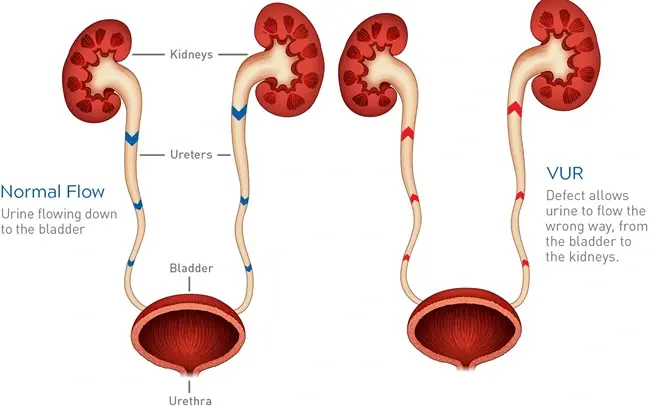
Urine normally drains from each kidney through a ureter to the bladder. Dilatation can be temporary or reflect slower drainage, backward flow from the bladder, or another urinary tract difference. The team considers whether one or both kidneys are involved, the appearance of kidney tissue, ureters, and bladder, and the amount of amniotic fluid. The meaning cannot be reduced to one measurement without that wider context.
Why repeat scans may be useful
Further pregnancy scans can show whether the finding is improving, stable or increasing. They also help the maternity and paediatric teams plan the first checks after birth. A changing measurement does not automatically mean surgery will be needed. Ask the team to explain the level of concern in ordinary language, whether other findings are present and which service will take responsibility for follow-up.
Does this change the birth plan?
Many babies can follow the usual maternity plan, but severe dilatation, an abnormal bladder, low amniotic fluid or concern about both kidneys may require more coordinated specialist arrangements. Decisions about the place and timing of birth belong with the maternity and fetal medicine teams. Do not arrange early delivery or change pregnancy medicines on the basis of an isolated online explanation of hydronephrosis.
Prepare for the first day
Keep the antenatal reports and ensure the newborn team knows about them. The first ultrasound is often timed after the earliest newborn period because normal early fluid changes can make dilatation look less marked. Some higher-risk babies need immediate assessment instead. Ask for the exact plan before discharge, including the scan date, whether preventive antibiotics are indicated, and whom to contact if the appointment does not arrive.
Knowing when a baby needs help
A baby can appear comfortable despite a urinary tract finding, which is why planned imaging still matters. Fever, poor feeding, repeated vomiting, unusual lethargy, or clearly reduced wet nappies need prompt medical assessment; fever in a young infant requires urgent evaluation. After birth, the clinician may recommend further tests selectively. A dilated kidney alone does not mean that every baby needs an invasive bladder test or an operation.
Your child's next step
A consultation through DRHC with Dr. Mansour Masoumi, Specialist Urologist, can help clarify your child’s findings and arrange the appropriate paediatric specialist pathway. Bring previous reports and a list of your questions. The final treatment is chosen after individual assessment, with the child’s age, symptoms, and family circumstances taken into account.
Disclaimer
This article is educational and does not replace a medical consultation. Do not use it for self-diagnosis or self-treatment, or to start, stop, or change your child’s medicines. Follow the advice from the clinician responsible for your child’s care.

Learn more about our Editorial Process.
Topic: Urology Blogs



Leave a comment