

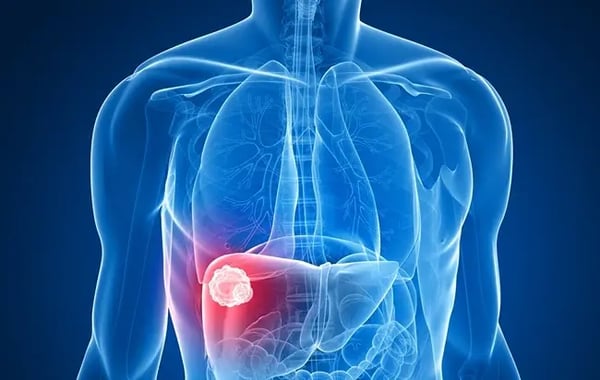
Being told that a liver mass has been found on an ultrasound, CT scan, or MRI can be frightening. It is completely understandable if your first thought is, “Does this mean I have liver cancer?”
The reassuring first step is to remember that a liver mass does not automatically mean cancer. Liver masses can have many causes, including harmless cysts and benign growths, as well as conditions that require more detailed investigation or treatment.
What happens next depends on the appearance, size, location, and characteristics of the mass, as well as your age, medical history, liver health, symptoms, and previous imaging. Your doctor may recommend additional blood tests, repeat or more detailed imaging, specialist review, or occasionally a biopsy.
If a liver mass has recently been found on your scan, the most important thing is not to panic or assume the worst. Instead, focus on getting a clear diagnosis and understanding the next step in your evaluation.
What Is a Liver Mass?
A liver mass, sometimes called a liver lesion or focal liver lesion, is an area of the liver that looks different from the surrounding liver tissue on an imaging test.
The word “mass” describes what has been seen on the scan; it does not by itself tell us what the mass is.
Liver masses can include:
- Liver cysts: Fluid-filled areas that are often benign and may require little or no treatment.
- Hemangiomas: Common benign growths made up of blood vessels.
- Focal nodular hyperplasia (FNH): A benign liver lesion that is often discovered incidentally.
- Hepatic adenomas: Benign liver tumors that may require monitoring or treatment depending on their characteristics and risk factors.
- Hepatocellular carcinoma (HCC): A primary liver cancer that can occur particularly in people with certain chronic liver diseases or cirrhosis.
- Cholangiocarcinoma: A cancer arising from the bile ducts.
- Metastases: Cancerous deposits that have spread to the liver from another part of the body.
DRHC's Liver Masses and Hepatobiliary Diseases service provides further information about the different types of liver masses and related conditions.
Why Was the Liver Mass Found?
Many liver masses are discovered incidentally. This means that the scan was performed for another reason, such as abdominal discomfort, a routine health assessment, abnormal blood tests, or evaluation of another condition.
For example, an ultrasound may identify an area in the liver that requires closer examination. This does not necessarily mean that something serious is present. It simply means that the imaging appearance needs to be understood more accurately.
In other cases, a liver lesion may be found because you have symptoms or an existing liver condition such as chronic hepatitis, fatty liver disease, or cirrhosis.
What Happens After a Liver Mass Is Found?
The next step is usually characterisation. In simple terms, this means finding out exactly what the mass looks like and determining the most likely explanation.
Your doctor may consider several factors:
- The size of the liver mass.
- Whether it is solid or fluid-filled.
- Its exact location within the liver.
- Its shape and borders.
- How it behaves after contrast is given during CT or MRI.
- Whether there is one lesion or several.
- Whether the liver itself appears healthy or has signs of fibrosis or cirrhosis.
- Your symptoms and medical history.
- Previous cancer history, if applicable.
This information helps determine whether the finding appears benign, needs monitoring, or requires further investigation.
Step 1: Review the Original Scan
If a liver mass has been identified, your doctor will usually review the imaging report and, when available, the actual scan images.
The wording of a radiology report can sometimes sound alarming because it describes possibilities rather than giving a final diagnosis. Terms such as “lesion,” “mass,” “nodule,” or “indeterminate lesion” do not automatically mean cancer.
If the first scan cannot confidently identify the lesion, more detailed imaging may be recommended.
Step 2: Blood Tests May Be Recommended
Blood tests can provide important information about your overall liver health and help doctors understand the possible cause of the liver mass.
These may include liver function tests (LFTs), blood counts, clotting tests, and other investigations depending on your circumstances.
In selected patients, doctors may also request tumor marker tests. One example is alpha-fetoprotein (AFP), which can be useful in certain situations involving suspected liver cancer. However, tumor markers alone cannot confirm or exclude liver cancer.
You can learn more about Liver Function Tests at DRHC Dubai.
Step 3: You May Need a CT Scan or MRI
If the mass was initially seen on ultrasound, your doctor may recommend a contrast-enhanced CT scan or MRI of the liver.
These scans provide much more detailed information about the lesion. They can show how the mass behaves after contrast enters the bloodstream and can often help distinguish common benign lesions from abnormalities that require further investigation.
MRI can provide particularly detailed images of the liver and may be recommended when additional characterisation is needed.
Not every patient needs every test. The choice depends on what has already been seen and your individual medical history.
Step 4: Your Doctor Will Consider Your Liver Health
The same liver lesion can have a different level of concern depending on the condition of the surrounding liver.
For example, a new liver lesion in someone with cirrhosis or chronic hepatitis may require a different evaluation from a small incidental lesion in someone with an otherwise healthy liver.
Your doctor may therefore assess whether you have conditions such as:
- Chronic hepatitis B or hepatitis C.
- Liver cirrhosis.
- Fatty liver disease with significant fibrosis.
- Previous liver disease.
- A history of cancer elsewhere in the body.
- Other conditions that can affect the liver.
For patients with an existing liver condition, regular specialist follow-up can be particularly important. DRHC provides assessment and management of liver disease in Dubai.
Does a Liver Mass Mean Cancer?
No. This is one of the most important things to understand.
There are many benign causes of liver masses. Some are common and may never cause symptoms or require treatment.
At the same time, some liver masses can be malignant, which is why an unexplained lesion should be properly evaluated rather than ignored.
The goal of further testing is to replace uncertainty with a clearer diagnosis. Try not to interpret the word “mass” on its own. The imaging characteristics and your overall clinical picture are much more meaningful.
Will I Need a Liver Biopsy?
Not necessarily. Modern imaging can often identify certain liver lesions without the need for a biopsy.
A liver biopsy involves taking a small sample of liver tissue with a needle so that it can be examined under a microscope. It may be recommended when imaging and other tests cannot establish a sufficiently clear diagnosis, or when tissue confirmation would affect treatment decisions.
Whether a biopsy is appropriate depends on the type of lesion suspected, its location, your bleeding risk, your liver condition, and the information already available from imaging.
It is important to understand that a biopsy is not automatically the next step for every patient with a liver mass.
What If the Liver Mass Is Benign?
If detailed imaging confirms that the mass is benign and has a typical appearance, you may not need treatment.
Some benign liver lesions are simply monitored, particularly if they are large, changing, symptomatic, or have features that require follow-up. Others may need no further intervention at all.
Your doctor will explain whether you need repeat imaging and how frequently it should be performed.
What If the Liver Mass Requires Treatment?
If the investigation suggests that the lesion is cancerous or has another condition requiring treatment, your care will depend on the exact diagnosis.
Possible approaches can include:
- Close imaging surveillance in selected cases.
- Medication or treatment directed at the underlying liver disease.
- Minimally invasive procedures such as tumor ablation in appropriate cases.
- Transarterial treatments for selected liver tumors.
- Surgical removal of part of the liver when appropriate.
- Referral for multidisciplinary cancer or liver specialist care.
Not every patient will need surgery, and treatment decisions should be based on the type, size, location, and stage of the lesion as well as the health of the remaining liver.
DRHC's Hepatobiliary and Pancreatic Disorders service includes evaluation and management of liver and biliary conditions.
What If I Have Cirrhosis and a New Liver Mass?
If you have cirrhosis and a new liver lesion has been detected, it is especially important to have the finding evaluated promptly.
Cirrhosis increases the risk of certain liver cancers, including hepatocellular carcinoma. This does not mean that every new lesion in a cirrhotic liver is cancer, but the threshold for detailed assessment is lower.
Your gastroenterologist or hepatologist may recommend dedicated liver imaging, blood tests, and an appropriate surveillance or diagnostic plan.
You can also read more about liver cirrhosis and its long-term management at DRHC.
Are There Symptoms of a Liver Mass?
Many liver masses cause no symptoms at all, particularly when they are small.
When symptoms do occur, they can vary depending on the size and type of lesion and may include:
- Discomfort or pain in the upper right side of the abdomen.
- A feeling of fullness or abdominal swelling.
- Unexplained weight loss.
- Reduced appetite.
- Nausea or vomiting.
- Fatigue or weakness.
- Jaundice, causing the skin or whites of the eyes to appear yellow.
These symptoms are not specific to liver cancer and can occur with many other liver, digestive, or general health conditions.
When Should You Seek Urgent Medical Attention?
A liver mass discovered on a scan usually requires planned medical evaluation rather than panic. However, seek urgent medical attention if you develop severe or rapidly worsening abdominal pain, significant vomiting, fainting, severe weakness, new confusion, vomiting blood, or black stools.
Jaundice that develops suddenly or rapidly worsening abdominal swelling should also be medically assessed promptly, particularly if you already have known liver disease.
Questions to Ask Your Doctor After a Liver Mass Is Found
It can be difficult to remember everything during an appointment, especially when you are worried. Consider asking:
- What type of liver mass does the scan suggest?
- How large is it, and where is it located?
- Does it look benign, or does it require further investigation?
- Do I need a contrast-enhanced MRI or CT scan?
- Do I need blood tests or tumor markers?
- Does my liver show signs of cirrhosis or chronic liver disease?
- Will I need a biopsy?
- Do I need treatment or simply follow-up imaging?
- When should I have my next appointment or scan?
Writing down your questions before the appointment can make it easier to understand your results and feel more in control of what happens next.

Learn more about our Editorial Process.
Topic: Gastroenterolgy Liver Disease



Leave a comment