

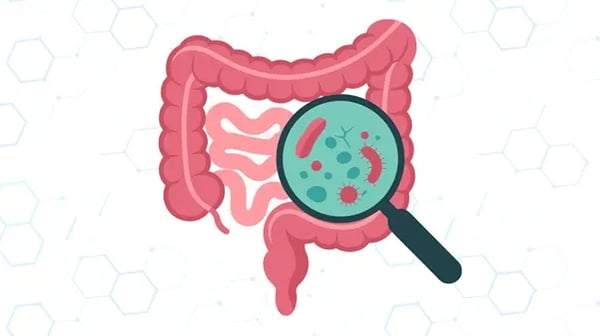
If your doctor has recommended a colonoscopy, you may be wondering why the procedure is needed and what it can actually detect. It is completely normal to feel anxious, especially if it is your first time having an endoscopic examination. The reassuring news is that colonoscopy is one of the most accurate and effective methods for diagnosing diseases of the large intestine (colon) and rectum, while also allowing certain conditions to be treated during the same procedure.
At Dr. Rami Hamed Center (DRHC) Dubai, advanced colonoscopy procedures are performed using modern endoscopy equipment to investigate digestive symptoms, identify the cause of bowel problems, and help prevent colorectal cancer through early detection and treatment.
What Is a Colonoscopy?
A colonoscopy is an endoscopic procedure that allows your gastroenterologist to examine the lining of the colon and rectum using a thin, flexible camera. During the examination, your doctor can:
- Identify abnormalities within the colon.
- Take tissue samples (biopsies) for laboratory analysis.
- Remove polyps during the same procedure.
- Treat certain causes of gastrointestinal bleeding.
What Can a Colonoscopy Detect?
1. Colon Polyps
One of the most common findings during colonoscopy is the presence of colon polyps. These small growths on the lining of the colon are often harmless, but some types can gradually develop into colorectal cancer if left untreated.
During the examination, many polyps can be removed immediately using Endoscopic Mucosal Resection (EMR) and Polypectomy, reducing the risk of future cancer without requiring another procedure.
2. Colorectal Cancer
Colonoscopy remains the gold standard for detecting colorectal cancer. It allows doctors to identify suspicious growths, obtain biopsies, and diagnose cancer at an earlier stage when treatment is often more effective.
People in Dubai may be advised to undergo colon cancer screening even if they have no symptoms, particularly after the age of 45 or if there is a family history of colorectal cancer.
3. Causes of Blood in the Stool
Seeing blood in your stool can be alarming. Although bleeding is often caused by hemorrhoids, it can also result from:
- Colon polyps
- Inflammatory bowel disease
- Diverticular disease
- Colorectal cancer
- Bleeding blood vessels within the colon
A colonoscopy helps identify the exact source of bleeding so appropriate treatment can begin.
4. Inflammatory Bowel Disease (IBD)
Patients with persistent diarrhea, abdominal pain, rectal bleeding, or unexplained weight loss may have Inflammatory Bowel Disease (IBD). Colonoscopy helps diagnose conditions such as:
Biopsies taken during the examination help confirm the diagnosis and guide long-term treatment.
5. Diverticular Disease
Small pouches called diverticula can develop in the wall of the colon with age. Colonoscopy can detect diverticular disease and evaluate patients who have experienced episodes of diverticulitis once the inflammation has settled.
6. Causes of Chronic Diarrhea or Constipation
Persistent bowel habit changes should not be ignored. Colonoscopy can help identify conditions responsible for ongoing:
- Diarrhea
- Constipation
- Alternating diarrhea and constipation
- Unexplained abdominal discomfort
While many people have functional conditions such as Irritable Bowel Syndrome (IBS), colonoscopy helps exclude more serious diseases when symptoms persist or warning signs are present.
7. Iron-Deficiency Anaemia
Sometimes chronic blood loss from the colon occurs without visible bleeding. Patients with unexplained iron-deficiency anaemia may undergo colonoscopy to identify hidden bleeding caused by polyps, inflammation, or colorectal cancer.
Can Colonoscopy Treat Problems During the Same Procedure?
Yes. Colonoscopy is not only a diagnostic test but also a therapeutic procedure. During the examination, your gastroenterologist may:
- Remove colon polyps.
- Stop active bleeding.
- Take biopsies.
- Perform EMR and polypectomy for selected lesions.
This often avoids the need for additional surgery or repeat procedures.
When Is a Colonoscopy Recommended?
Your doctor may recommend a colonoscopy if you experience:
- Blood in the stool or rectal bleeding.
- Persistent diarrhea or constipation.
- Unexplained abdominal pain.
- Iron-deficiency anaemia.
- Positive FIT or stool blood test.
- Unexplained weight loss.
- A family history of colorectal cancer or colon polyps.
- The need for routine colon cancer screening.
What Happens If Polyps Are Found?
Many patients worry that finding a polyp automatically means cancer. Fortunately, this is usually not the case. Most polyps are benign, and many can be safely removed during the same colonoscopy. The tissue is then examined in the laboratory to determine whether any further treatment or surveillance is needed.
Advanced Colonoscopy Services at DRHC Dubai
At Dr. Rami Hamed Center (DRHC) Dubai, patients benefit from comprehensive digestive care using advanced endoscopy technology. Depending on your symptoms, your gastroenterologist may also recommend additional investigations such as gastroscopy, capsule endoscopy, endoscopic ultrasound (EUS), or ERCP when clinically appropriate.

Learn more about our Editorial Process.
Topic: Gastroenterolgy Endoscopy




Leave a comment