

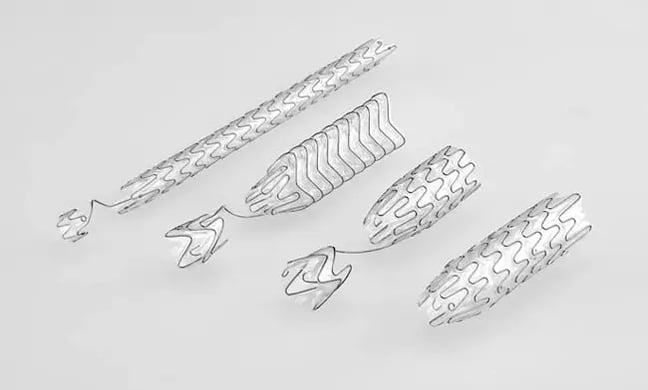
A prostatic stent is a device placed inside the urinary passage at the prostate to help keep that section open. It may be discussed for selected men with bladder outlet obstruction, particularly when avoiding an external catheter is a priority, and a standard operation is unsuitable. Stents differ considerably, so the exact device and its intended duration must be clear before any decision.
What problem does it address?
Benign prostate enlargement can press on the channel carrying urine from the bladder. A stent supports that channel rather than removing or shrinking the gland. It needs a bladder capable of pushing urine through the supported passage. If poor emptying mainly reflects a very weak bladder, a stent may not restore useful urination. A narrowing elsewhere in the urethra is a separate problem requiring different planning.
A selected rather than routine option
Some temporary stents can act as a bridge while another treatment takes effect or when other care is being planned. Other designs have been used in men whose health makes surgery difficult. Evidence and suitability are device-specific and less established than for common prostate operations. This guide does not assume a particular brand, claim a permanent solution, or imply that every type is available through a clinic.
Assessment before insertion
The urologist checks the cause of obstruction, bladder emptying, continence, and prostate anatomy. Urine tests, imaging, and a camera examination may be appropriate. Active infection, bleeding with clots, scar narrowing, or an unsuitable bladder can affect eligibility. Tell the doctor about previous prostate treatment, radiotherapy, and neurological conditions. The assessment should include how a stent might affect future investigations or procedures, not simply whether it can be inserted.
What to ask about the device
Ask for its name, material, purpose, expected lifetime, and written removal or replacement plan. Temporary does not mean it can safely be forgotten once symptoms improve. Instructions about scans, sexual activity, and replacement intervals depend on the actual model. Some stents can be placed with local anaesthetic; others require different arrangements. Your team should explain what happens if the device moves, blocks, or fails to improve emptying.
Living with a prostatic stent
Urgency, discomfort, blood in the urine, leakage, or infection can occur. A device may move from its intended position or collect mineral deposits, and another procedure may be necessary. Contact the team for worsening symptoms instead of assuming they are unavoidable. You should receive clear advice about fluids, usual activity, and whom to contact. Keep your device details with your health information and attend planned reviews even when comfortable.
Alternatives and urgent symptoms
Alternatives may include prostate medicines, intermittent catheterisation, a urethral or suprapubic catheter, or a prostate operation when suitable. Each has different burdens and expected benefits. If you develop a fever with illness, severe pelvic pain, heavy bleeding, or inability to urinate, seek urgent help. A support device should never delay assessment of an infected or blocked urinary tract. Any removal should be performed according to the clinical plan, not attempted yourself.
Planning your care
A consultation with Dr. Mansour Masoumi, Specialist Urologist, can help connect these choices with your symptoms, previous treatment, and practical priorities. Bring relevant results and a current medicine list. Care can be discussed and arranged through DRHC; the final treatment is chosen after an individual assessment and an explanation of the likely benefits, limitations, and alternatives.
Disclaimer:
This article is educational and does not replace a medical consultation. Do not use it for self-diagnosis or self-treatment, or to start, stop, or change medicines. Your doctor should guide decisions after assessing your circumstances.

Learn more about our Editorial Process.
Topic: Urology Blogs




Leave a comment