


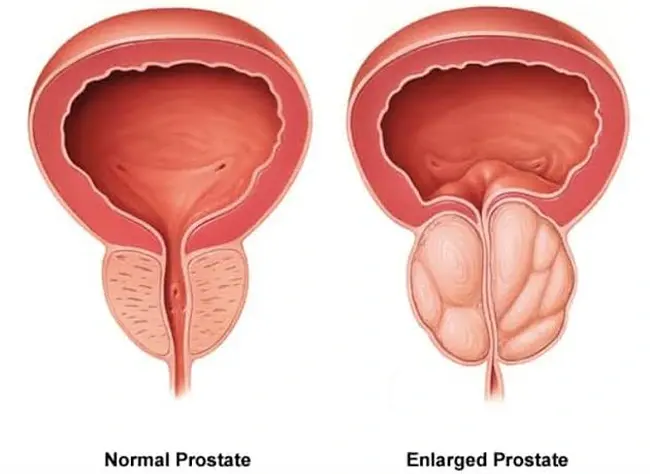
An enlarged prostate does not automatically mean an operation. Many men start with changes to daily habits, medicines, or a combination of both. The aim is to make urination easier and reduce disruption to sleep and daily activities. Before choosing treatment, your doctor checks whether the prostate is the main cause and whether your bladder is emptying safely.
Start with the symptoms that bother you
For one man, the main problem is rushing to the toilet; for another, it is spending a long time trying to empty the bladder. A short record of your drinks and bathroom visits can reveal useful patterns. This makes advice more specific than simply being told to drink less. It also provides a starting point for judging whether treatment is helping.
Adjust timing rather than avoiding water
Large drinks close to bedtime may worsen night-time visits. Caffeine and alcohol can also make urgency or frequency more troublesome for some people. Your doctor may suggest changes to timing or amount while maintaining adequate hydration. This is especially relevant in Dubai, where heat and exercise increase fluid needs. Severe restriction can cause other problems and should not be used as a shortcut.
Medicines that relax the outlet
One group of tablets, called alpha-blockers, relaxes muscles around the prostate and bladder outlet. This can make it easier for urine to pass. These medicines do not physically remove the enlarged tissue. Your doctor considers blood pressure, other medicines, and daily activities when choosing treatment, and will explain what changes to look out for when starting it.
Medicines that work on prostate size
Another group gradually reduces the effect of hormones that drive prostate growth. These tablets are usually considered when the prostate is enlarged enough for that approach to be useful, and they take longer to show their full benefit. Sometimes medicines are combined. Tell any clinician interpreting a PSA blood test that you are taking prostate-shrinking treatment, because it changes the way that result is assessed.
Other options depend on the full picture
Some men also need treatment for bladder urgency or have erectile difficulties that influence medicine choice. A prescribed daily tadalafil option may be considered in suitable circumstances. Herbal products are not equivalent to prescribed treatment, and evidence varies between preparations. Bring supplements to your medication review so that the plan reflects everything you take rather than only the tablets on your prescription.
Review is part of the treatment
Follow-up checks whether symptoms are improving and whether the medicine suits you. Do not change or combine tablets on your own. Dr. Mansour Masoumi, Specialist Urologist, can discuss non-surgical options through DRHC and review progress over time. The final choice follows an individual assessment. If symptoms remain troublesome, the next discussion may include a procedure, rather than indefinitely adding medicines without reconsidering the cause.
Disclaimer
This article provides general information and does not replace a medical consultation. Do not use it to diagnose yourself or start, stop, or change treatment. Your doctor should guide decisions after an individual assessment.

Learn more about our Editorial Process.
Topic: Urology Blogs




Leave a comment