

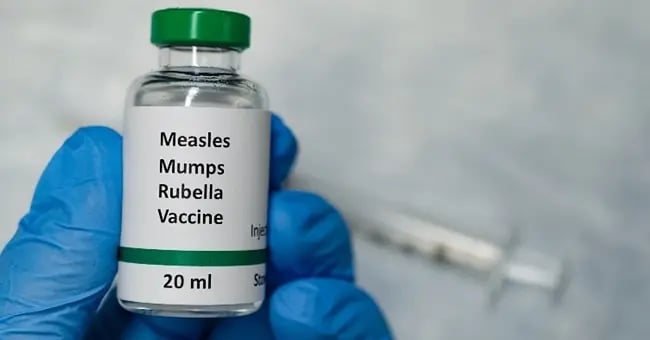
It is completely understandable for parents to have questions about vaccines, especially when they hear claims that the MMR vaccine may be linked to autism. Parents naturally want to make safe and informed decisions about their child's health, and conflicting information online can make this difficult.
The concern about MMR and autism has been studied extensively for many years. Current evidence from large studies and scientific reviews does not show a causal link between the MMR vaccine and autism spectrum disorder (ASD). The World Health Organization (WHO) has also reaffirmed this conclusion following its review of research published through 2025.
What Is the MMR Vaccine?
The MMR vaccine protects children against three viral infections: measles, mumps, and rubella. These infections can sometimes cause serious complications, particularly in young children.
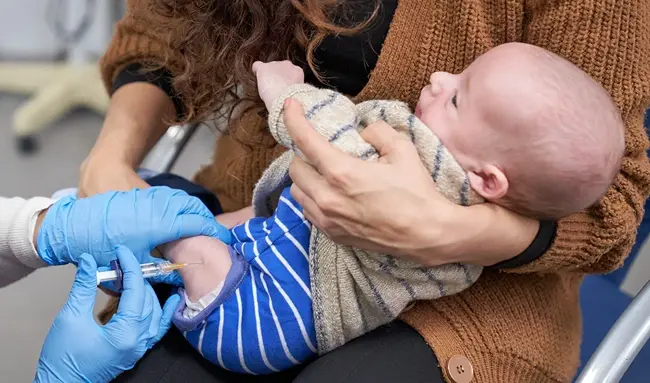
Vaccination helps the immune system recognize these viruses and respond more effectively if the child is exposed in the future. The timing and number of doses depend on the child's age, vaccination history, and applicable immunization recommendations.
Parents in Dubai can review their child's vaccination history and recommended doses with a pediatrician at DRHC's child vaccination schedule service.
Does the MMR Vaccine Cause Autism?
Current scientific evidence does not support a causal relationship between the MMR vaccine and autism. Multiple studies conducted in different countries and involving large numbers of children have examined this question.
The concern became widely known after a 1998 research paper suggested a connection between the MMR vaccine, bowel problems, and autism. That paper was subsequently found to have serious problems and was retracted by the journal that published it.
Since then, researchers have continued to investigate the question using different study designs and much larger populations. Reviews by international vaccine-safety experts have consistently found no evidence that MMR vaccination causes autism.
Why Do Some Parents Notice a Connection?
One reason the concern can feel convincing is timing. Signs of developmental differences, including some features associated with autism, may become noticeable around the same period when children receive certain routine vaccinations.
However, occurring around the same time does not mean that one caused the other. Researchers use carefully designed studies to determine whether a condition occurs more often among vaccinated children than would be expected otherwise. The available evidence has not demonstrated a causal association between MMR vaccination and autism.
What Does Recent Evidence Show?
In its most recent review, the WHO Global Advisory Committee on Vaccine Safety assessed systematic reviews and research published from 2010 through August 2025. The committee reaffirmed that high-quality evidence does not support a causal relationship between vaccines and autism spectrum disorder.
Research specifically examining the MMR vaccine has also found no association with autism. This conclusion is supported by evidence reviewed by international health and vaccine-safety organizations.
It is important to remember that scientific knowledge continues to be monitored. Vaccine safety systems continue to collect and evaluate reports and research so that potential safety concerns can be investigated as new evidence becomes available.
Are There Side Effects After the MMR Vaccine?
Like other vaccines, the MMR vaccine can cause side effects. Most are mild and temporary. A child may develop pain or redness at the injection site, fever, a mild rash, or swollen glands.
A small increased risk of a febrile seizure can occur several days after MMR vaccination. Febrile seizures are seizures associated with fever and, although understandably frightening for parents, they are generally brief and do not mean that a child has autism.
If your child develops an unusual or concerning reaction after vaccination, contact your pediatrician for advice rather than assuming the reaction is related to autism.
What Should Parents Do If They Are Worried About Autism?
If you have concerns about your child's speech, communication, social interaction, behavior, or development, it is important to discuss them with a pediatrician. Developmental concerns should be assessed based on the child's individual history and symptoms, rather than attributed automatically to vaccination.
Early discussion can be helpful because developmental assessment allows parents and healthcare professionals to understand a child's strengths and identify whether further evaluation or support may be appropriate.
At Dr. Rami Hamed Center (DRHC) in Dubai, pediatric consultations are available to discuss childhood development, vaccination concerns, and other health questions in a supportive setting.

Learn more about our Editorial Process.
Topic: Pediatric





Leave a comment