

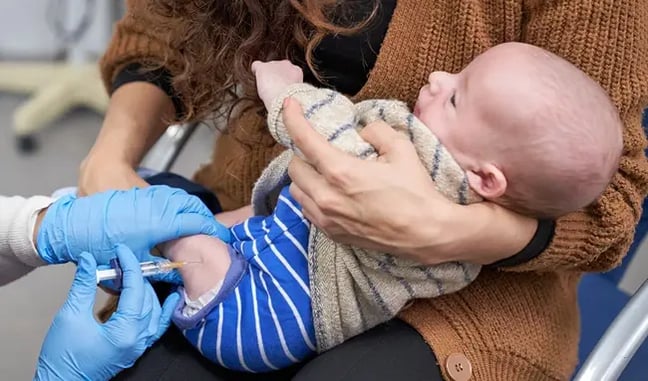
When your child is due for a polio vaccine, you may come across two names: IPV (Inactivated Polio Vaccine) and OPV (Oral Polio Vaccine). It is natural for parents to wonder why two different vaccines are used and whether one is safer or more effective than the other.
Both vaccines are designed to protect children against poliovirus, a virus that can cause serious illness, including paralysis. Although IPV and OPV work in different ways and are given differently, both play an important role in polio prevention.
What Is Polio?
Polio (poliomyelitis) is a highly contagious viral infection that mainly spreads from person to person. In some cases, the virus can affect the nervous system and cause muscle weakness or permanent paralysis.
Children, particularly those who are not fully vaccinated, can be vulnerable to severe complications. Vaccination remains the most important way to protect children and communities from polio.
What Is IPV?
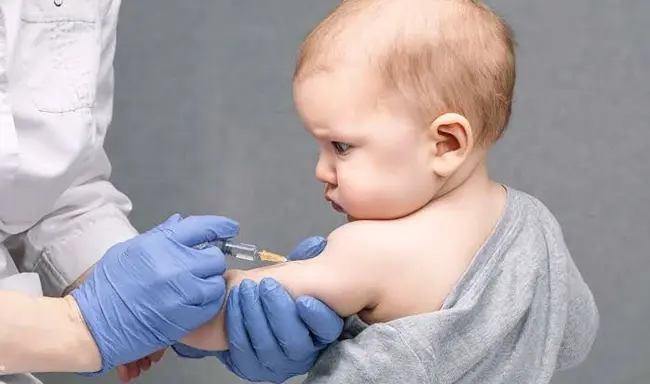
IPV, or Inactivated Polio Vaccine, contains poliovirus that has been inactivated, meaning it cannot cause polio. It is administered by injection and stimulates the immune system to produce antibodies that help protect against poliovirus infection.
IPV provides strong protection against paralytic polio and is used as part of routine childhood immunization programs in many countries.
What Is OPV?
OPV, or Oral Polio Vaccine, is given as drops by mouth. It uses weakened forms of poliovirus that are designed to stimulate an immune response without causing disease in healthy individuals.
One important advantage of OPV is that it produces strong immunity in the intestine, where poliovirus initially multiplies. This can help reduce the spread of poliovirus from one person to another.
IPV vs OPV: What Is the Difference?
| Feature | IPV | OPV |
|---|---|---|
| Full name | Inactivated Polio Vaccine | Oral Polio Vaccine |
| How is it given | Injection | Oral drops |
| Vaccine type | Inactivated virus | Live attenuated virus |
| Main immune response | Strong protection against disease, including paralytic polio | Strong intestinal immunity that helps reduce transmission |
| Can it cause polio? | No | Extremely rarely, vaccine-derived poliovirus can occur under specific circumstances |
The choice between IPV and OPV depends on the child's vaccination schedule, local public health recommendations, and the specific circumstances. Parents should follow the vaccination schedule recommended by their healthcare provider.
Why Are There Two Types of Polio Vaccine?
IPV and OPV have different strengths. IPV provides excellent protection against severe polio and paralysis, while OPV produces strong intestinal immunity that can help limit the circulation and spread of poliovirus.
For this reason, different countries and vaccination programs may use IPV, OPV, or a combination of both depending on their public health needs and current polio vaccination policies.
Is IPV Safer Than OPV?
Both vaccines have been used extensively to prevent polio. IPV contains an inactivated virus and cannot cause polio. OPV contains a weakened live virus and is highly effective, but in very rare circumstances, vaccine-derived poliovirus can emerge and circulate, particularly where vaccination coverage is low.
This is one reason vaccination programs carefully monitor poliovirus circulation and adjust vaccination strategies according to public health needs.
Does My Child Need Both IPV and OPV?
Not necessarily. The vaccines included in a child's polio vaccination schedule depend on the immunization recommendations applicable to the child.
If you are unsure which polio vaccines your child has received, bring the vaccination record to your pediatrician. The healthcare team can review previous doses and advise you about the next recommended vaccination.
Can IPV and OPV Be Given Together?
In some immunization programs, IPV and OPV may be used as part of the same overall vaccination strategy. They work differently and can complement each other.
However, parents should not decide the timing or combination of doses themselves. Your child's healthcare provider can follow the appropriate child vaccination schedule based on current recommendations.
Are There Side Effects From Polio Vaccines?
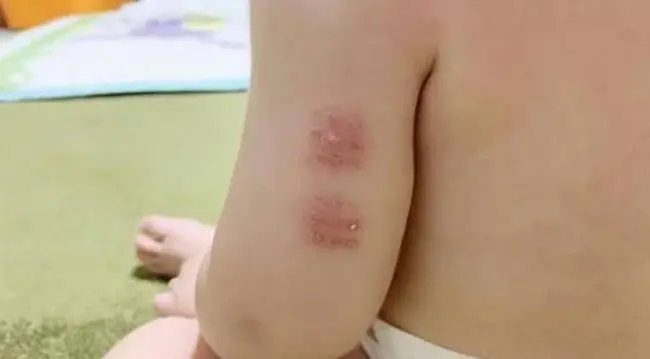
Most children tolerate polio vaccination well. With IPV, some children may experience mild soreness, redness, or swelling where the injection was given. OPV is generally easy to administer and usually causes few noticeable side effects.
If your child develops an unusual or severe reaction after vaccination, seek medical advice promptly.
Why Is Polio Vaccination Still Important?
Polio has been eliminated from many parts of the world, but the virus has not been eradicated globally. Maintaining high vaccination coverage remains essential because poliovirus can spread quickly among populations with low immunity.
Keeping your child's vaccinations up to date helps protect your child and contributes to community protection, particularly for people who may be more vulnerable to infectious diseases.
Polio Vaccination in Dubai
For parents looking for polio vaccination in Dubai, understanding the difference between IPV and OPV can make vaccination decisions less confusing. The appropriate vaccine and schedule depend on your child's age, previous doses, and applicable immunization recommendations.
At Dr. Rami Hamed Center (DRHC) in Dubai Healthcare City, pediatric consultations and vaccination services are available to help parents review their child's immunization history and receive guidance on recommended childhood vaccinations in Dubai.

Learn more about our Editorial Process.
Topic: Pediatric Blogs



Leave a comment