

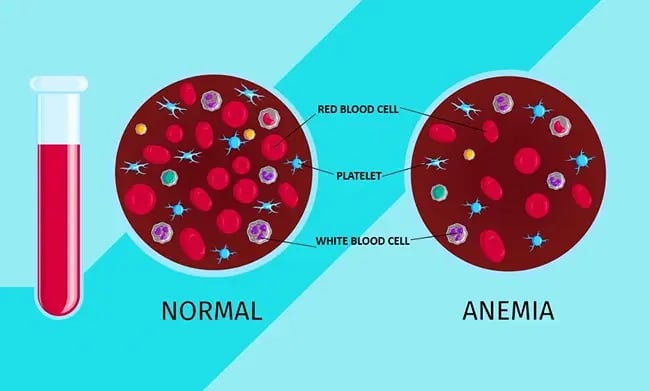
Feeling constantly tired, weak, dizzy, or short of breath can sometimes be linked to iron-deficiency anaemia. While low iron levels may often be improved with dietary changes and supplements, unexplained or persistent anaemia may require further investigation to find the underlying cause.
At Dr. Rami Hamed Center (DRHC) Dubai, our gastroenterology specialists provide a comprehensive evaluation to identify possible sources of blood loss or digestive conditions that may contribute to iron deficiency.
What Is Iron-Deficiency Anaemia?
Iron-deficiency anaemia occurs when the body does not have enough iron to produce healthy red blood cells. Iron is essential for making haemoglobin, which carries oxygen throughout the body.
Common symptoms may include:
- Persistent tiredness and low energy
- Weakness or dizziness
- Shortness of breath during normal activities
- Pale skin
- Difficulty concentrating
Why Does Iron Deficiency Need Investigation?
Iron deficiency can happen due to inadequate iron intake, increased body requirements, or blood loss. In some adults, especially when the cause is unclear, doctors may investigate the digestive system to check for hidden bleeding or other conditions.
Possible digestive causes include:
- Stomach ulcers
- H. pylori infection
- Inflammation of the digestive tract
- Polyps or other abnormalities in the intestine
- Colorectal conditions
When Is Gastroscopy Recommended?
Gastroscopy is a procedure that allows specialists to examine the upper digestive tract, including the esophagus, stomach, and duodenum.
Your doctor may recommend gastroscopy when investigating iron-deficiency anaemia to look for:
- Stomach or duodenal ulcers
- Inflammation or irritation of the stomach lining
- Bleeding sources in the upper digestive tract
- Other abnormalities affecting iron absorption or causing blood loss
When Is a Colonoscopy Recommended?
A colonoscopy examines the large intestine and is commonly used to investigate possible causes of blood loss from the lower digestive tract.
Colonoscopy may be recommended to check for:
- Colon polyps
- Inflammation of the bowel
- Sources of hidden bleeding
- Changes in the colon that may affect health
Do Everyone With Iron-Deficiency Anaemia Need Both Tests?
Not everyone requires both gastroscopy and colonoscopy. The decision depends on factors such as age, symptoms, medical history, severity of anaemia, and results of initial tests.
Your gastroenterologist will recommend the most appropriate investigation to identify the cause while avoiding unnecessary procedures.

Learn more about our Editorial Process.
Topic: Gastroenterolgy Endoscopy





Leave a comment