

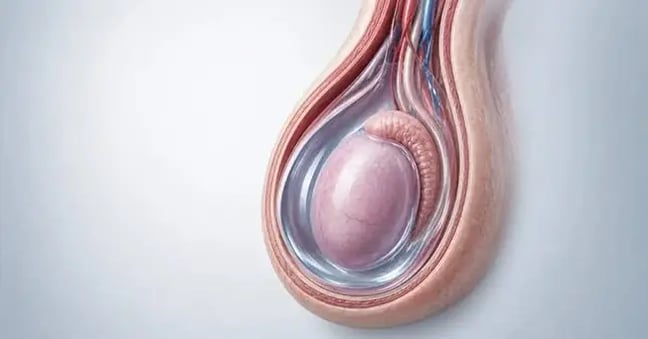
A hydrocele is a fluid collection in the thin covering around a testicle. It can make one side of the scrotum look larger or feel heavy without causing much pain. Adult scrotal swelling has several possible explanations; however, a new change should be examined before you assume that fluid is the cause or choose a treatment.
Why fluid may collect
Sometimes there is no clear trigger. In other cases, fluid follows inflammation, an injury, or previous surgery. The assessment looks for any underlying problem as well as confirming the swelling itself. A hydrocele is different from a hernia, enlarged veins, or a solid testicular lump. Appearance alone cannot reliably distinguish these, and more than one finding can be present at the same time.
Describe its effect on ordinary life
Tell the clinician when the change began, whether it is growing, and how it affects walking, work, clothing, or intimacy. Mention pain, fever, urinary symptoms, and previous groin or scrotal operations. A gradual, painless enlargement is different from sudden, severe pain, but neither should be diagnosed from an internet description. Bring any earlier ultrasound report rather than relying on a remembered summary.
What the examination establishes
The clinician examines the scrotum and testicle and may check the groin for a hernia. Passing a light through the swelling can support the impression of fluid, but it is not a complete assessment. Ultrasound is useful when the testicle cannot be examined properly, the diagnosis is uncertain, or another abnormality needs exclusion. Ask what the scan is intended to clarify and how you will receive the result.
Size does not decide everything
A confirmed hydrocele that causes little difficulty can often be observed. More troublesome heaviness, discomfort or interference with daily activities may make surgery worth discussing. There is no universal size at which every patient needs an operation. Your health, the examination, and the burden of symptoms matter. Draining fluid with a needle is not equivalent to repairing the sac, and fluid commonly returns afterwards.
Changes that need faster attention
Sudden severe testicular pain, particularly with nausea or vomiting, needs emergency assessment because testicular torsion can threaten the blood supply. A previous hydrocele diagnosis does not make new pain harmless. Fever, increasing redness, or rapidly worsening swelling also needs prompt review. Report a new firm lump or a change in the testicle, even if an earlier scan was reassuring; that earlier result does not rule out a new problem.
Discuss your next step
A consultation with Dr. Mansour Masoumi, Specialist Urologist, through DRHC can help you confirm the cause of swelling and decide whether observation or treatment fits your symptoms. The final treatment is chosen after an individual assessment and discussion of your preferences. Bring previous results and a medicine list so the advice can be based on your own circumstances.
Disclaimer
This article is for education and does not replace a medical consultation. Do not use it for self-diagnosis or self-treatment, or to start, stop, or change medicines. Your doctor should guide care after considering your symptoms, medical history, and individual circumstances.

Learn more about our Editorial Process.
Topic: Urology Blogs




Leave a comment