

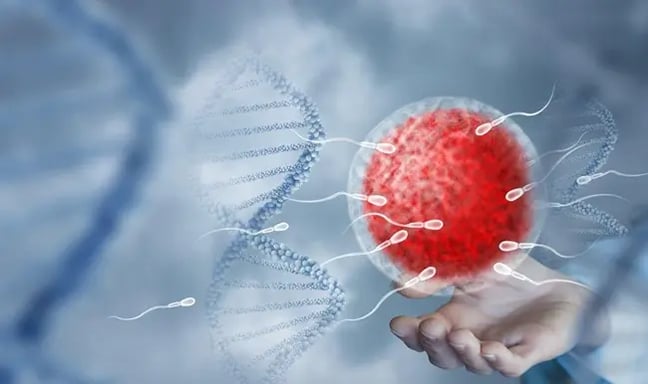
Male infertility treatment begins with understanding why conception is difficult and what matters to both partners. Some causes can be treated directly; others are better managed by helping sperm reach an egg through assisted reproduction. More than one approach may be reasonable. Choosing a plan requires the male assessment, the partner's fertility information, and a realistic discussion of time, uncertainty, and treatment burden.
Treat a cause when one is identified
Specific hormonal disorders can sometimes respond to treatment that stimulates the body's sperm production. This differs from giving testosterone, which can suppress sperm and is not a treatment for male infertility. Infection treatment is appropriate when infection is established, rather than as a routine response to every abnormal semen result. Ask what finding each prescription targets and what evidence will show whether it is helping.
Consider surgery selectively
A clinically significant varicocele with abnormal semen findings may be suitable for repair in selected couples. Some blockages in sperm transport can be reconstructed, while others are better managed by retrieving sperm for assisted reproduction. The likely benefit depends on the cause and anatomy. Surgery can take time to produce a useful result, so its place must be considered alongside your partner's age, ovarian reserve, and planned treatment.
Understand assisted reproduction
Intrauterine insemination places prepared sperm in the uterus and is appropriate only in selected circumstances. IVF brings eggs and sperm together in the laboratory; ICSI involves injecting a single sperm into an egg. ICSI can help with some severe sperm problems, but it does not guarantee fertilisation, a healthy embryo, or a baby. The fertility team should explain why a particular option is proposed for the couple.
When sperm retrieval enters the discussion
Sperm may sometimes be obtained from the epididymis or testicle when none are present in the ejaculate. Retrieval techniques differ for obstruction and reduced production. Genetic investigation may affect whether a procedure is appropriate and what information is relevant to future children. Ask about coordination with egg collection, freezing, and the possibility that no usable sperm will be found before committing to a cycle.
Keep decisions and review points clear
Not finding a specific cause does not mean every available medicine or supplement should be tried. Some treatments are off-label or have uncertain evidence and need a clear explanation. Agree on what outcome is being sought, when to reassess, and how an unsuccessful attempt would change the next step. Your plan should address general health and sexual difficulties as well as laboratory numbers, with counselling available when decisions become difficult.
Discuss your next step
A consultation with Dr. Mansour Masoumi, Specialist Urologist, through DRHC can help you compare appropriate medical, surgical, and assisted reproductive options in the context of the couple’s assessment. The final treatment is chosen after an individual assessment and discussion of your preferences. Bring previous results and a medicine list so the advice can be based on your own circumstances.
Disclaimer
This article is for education and does not replace a medical consultation. Do not use it for self-diagnosis or self-treatment, or to start, stop, or change medicines. Your doctor should guide care after considering your symptoms, medical history, and individual circumstances.

Learn more about our Editorial Process.
Topic: Urology Blogs




Leave a comment