

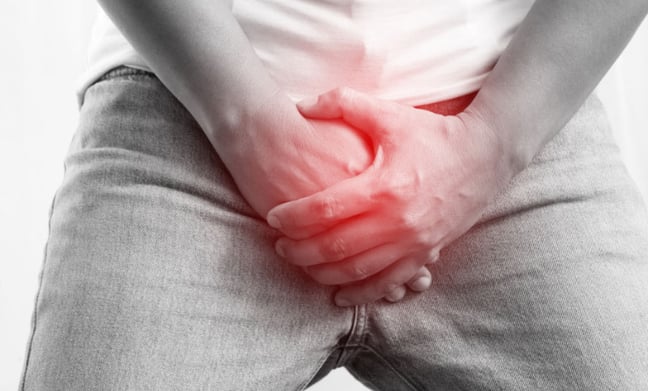
A painful or swollen testicle needs a clear diagnosis rather than an assumption that it is an infection. Epididymitis affects the coiled tube behind the testicle; orchitis means inflammation within the testicle itself. They can occur together. Torsion, where the spermatic cord twists and interrupts the blood supply, can produce similar symptoms but requires emergency treatment.
Sudden pain is an emergency
Seek emergency assessment immediately for sudden, severe testicular pain, especially with nausea, vomiting, or abdominal pain. Do not wait for a routine appointment or an outpatient ultrasound. Torsion can happen at different ages, and neither a previous infection nor temporary improvement safely excludes it. If the clinical concern remains high, a reassuring scan must not delay the appropriate surgical assessment.
How infection may present
Epididymitis may cause tenderness, warmth, and swelling on one side, sometimes with burning urination, discharge, or fever. The discomfort can develop gradually, but timing alone cannot establish the diagnosis. Orchitis may accompany bacterial infection or occur with a viral illness such as mumps. Mention recent illness and vaccination history, but do not try to distinguish these conditions by examining yourself repeatedly.
The history guides testing
The clinician asks when symptoms began, whether there was an injury, and about urinary symptoms, sexual exposure, and previous procedures. These questions identify possible organisms and other causes; an STI should neither be assumed nor dismissed solely on age. Urine tests may include a bacterial culture and separate molecular tests for sexually transmitted infections. A standard urine culture does not replace an STI test.
What examination and ultrasound add
Examination helps locate tenderness and identify a lump, fluid collection, or hernia. Ultrasound is useful when the diagnosis is uncertain or a different problem needs investigation. Its role depends on the emergency assessment. Bring earlier scan reports if available, while recognising that a new episode requires fresh judgement. A new firm lump or persistent enlargement still needs review even when the pain is mild.
Make the next step explicit
Ask whether urgent causes have been considered, which results are pending, and when improvement should begin. Antibiotics may be started before results when bacterial infection is suspected; they are then reviewed against the findings. Severe illness, worsening redness, or inability to manage at home may require hospital care. Supportive underwear and suitable pain relief can help after assessment, but they must not become reasons to postpone it.
Discuss your next step
A consultation with Dr. Mansour Masoumi, Specialist Urologist, through DRHC can help you clarify the cause of scrotal symptoms and arrange appropriate testing or follow-up. The final treatment is chosen after an individual assessment and discussion of your preferences. Bring previous results and a medicine list so the advice can be based on your own circumstances.
Disclaimer
This article is for education and does not replace a medical consultation. Do not use it for self-diagnosis or self-treatment, or to start, stop, or change medicines. Your doctor should guide care after considering your symptoms, medical history, and individual circumstances.

Learn more about our Editorial Process.
Topic: Urology Blogs





Leave a comment