

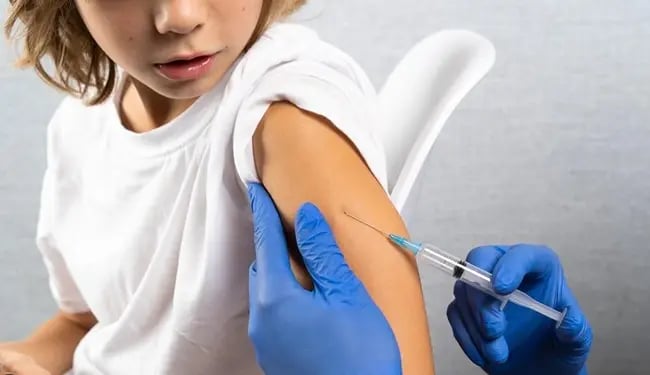
It is completely understandable for parents to have questions before their child receives the HPV vaccine. You may have seen conflicting information online or wondered whether the vaccine is necessary, whether it is safe, or why it is recommended at a relatively young age.
These concerns deserve clear answers. HPV, or human papillomavirus, is a very common virus that can cause certain cancers and other health problems later in life. HPV vaccination helps prevent infection with HPV types that are associated with several cancers. The World Health Organization and other public health authorities consider HPV vaccines to have a reassuring safety record based on extensive research and ongoing monitoring.
At Dr. Rami Hamed Center (DRHC) in Dubai, parents can discuss the HPV vaccine, their child's vaccination history, and any concerns with the pediatric team before vaccination.
What Is HPV and Why Is Vaccination Important?
HPV is a group of viruses that can spread through intimate skin-to-skin contact. Some HPV infections clear naturally, while persistent infection with certain types can contribute to cancers, including cervical, anal, penile, and some throat cancers.
HPV vaccination is designed to prevent infection before exposure to the virus. This is one reason vaccination is recommended during the preteen and adolescent years rather than waiting until adulthood.
Myth 1: “My Child Is Too Young for the HPV Vaccine”
Fact: HPV vaccination is routinely recommended for preteens in many immunization programs and can be started as early as age 9 under applicable recommendations. WHO identifies young adolescents as an important target group because vaccination before exposure to HPV provides an opportunity for prevention.
The appropriate age and dosing schedule can depend on the child's age, health, vaccination history, and local recommendations. Your pediatrician can explain when HPV vaccination is appropriate for your child in Dubai.
Myth 2: “The HPV Vaccine Encourages Children to Become Sexually Active”
Fact: Research has not shown that HPV vaccination causes children or adolescents to start having sex or increases sexual risk-taking. The purpose of vaccination is disease prevention, not a change in behavior.
HPV vaccination is given before potential exposure to the virus so that protection can already be in place when it is needed.
Myth 3: “The HPV Vaccine Causes Infertility”
Fact: Current evidence does not show that HPV vaccination causes infertility or premature ovarian insufficiency. HPV vaccination can help prevent cancers caused by HPV, some of which may require treatments that can affect future fertility.
If fertility is one of your concerns, discuss it openly with your pediatrician. You deserve to understand the evidence before making decisions about your child's vaccination.
Myth 4: “HPV Vaccination Is Not Necessary for Boys”
Fact: HPV can affect males as well as females. Persistent HPV infection can contribute to cancers affecting areas such as the penis, anus, and back of the throat. HPV vaccination can therefore provide important protection for boys as well as girls.
Your pediatrician can explain whether HPV vaccination is recommended for your child and how it fits into their overall child vaccination schedule in Dubai.
Myth 5: “The HPV Vaccine Is Not Safe Because It Has Side Effects”
Fact: Like other vaccines, the HPV vaccine can cause side effects, but most are mild and temporary. Common reactions include pain, redness or swelling at the injection site, headache, tiredness, nausea, muscle or joint pain, or fever.
Fainting can also occur after vaccination, particularly among adolescents. For this reason, children and teenagers may be asked to remain seated or observed for a short period after vaccination.
Severe allergic reactions are rare. If your child develops difficulty breathing, swelling of the face or throat, widespread hives, severe weakness, or collapse after vaccination, seek emergency medical attention.
Myth 6: “The HPV Vaccine Can Cause Serious Long-Term Health Problems”
Fact: HPV vaccines have been monitored for many years. WHO safety reviews and large safety studies have not identified evidence supporting several serious health concerns that have been investigated, including associations with autoimmune, neurological, or blood-clotting conditions.
As with any medical intervention, safety monitoring continues. Parents should discuss their child's individual medical history and any specific concerns with a healthcare professional rather than relying on isolated claims on social media.
Myth 7: “If My Child Gets the HPV Vaccine, They Are Completely Protected From All HPV”
Fact: HPV vaccination protects against important HPV types associated with cancer and other diseases, but it does not prevent every possible HPV infection.
Vaccination is therefore one part of long-term health protection. As children grow into adulthood, they should continue to follow appropriate preventive healthcare and screening recommendations.
How Many HPV Vaccine Doses Does a Child Need?
The number and timing of doses depend on the age at which the series begins and certain health factors. For example, CDC guidance recommends two doses for most children who start before their 15th birthday, while those starting later or certain children with weakened immune systems may need three doses. Local recommendations should be followed for children receiving vaccination in Dubai.
If your child has already received one dose, do not assume that the series needs to be restarted if there has been a delay. Ask the pediatrician to review the vaccination record and advise you about the appropriate next dose.
What Should Parents Tell the Pediatrician Before HPV Vaccination?
Before your child's HPV vaccination in Dubai, tell the pediatrician about:
- Previous serious allergic reactions to vaccines or vaccine ingredients
- Any significant reaction after an earlier vaccine
- Current medical conditions
- Medications your child regularly takes
- Whether your child is currently moderately or severely unwell
- Any concerns about previous vaccination records
A mild illness does not necessarily prevent vaccination, but your child's current health should be assessed when deciding whether to vaccinate that day.

Learn more about our Editorial Process.
Topic: Pediatric



Leave a comment