

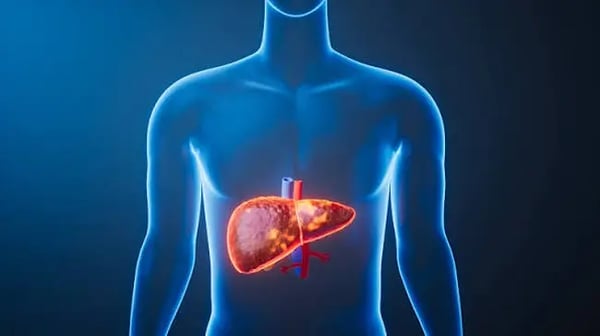
Being diagnosed with fatty liver disease can understandably raise questions about what happens next. If you feel well, you may wonder whether regular testing is still necessary. In fact, fatty liver can progress quietly, so appropriate follow-up is important even when you have no symptoms.
Why Does Fatty Liver Need Regular Monitoring?
Fatty liver does not affect everyone in the same way. In some people, liver fat remains stable or improves with lifestyle changes. In others, ongoing inflammation can lead to fibrosis (scarring) and, over time, more serious liver disease.
Monitoring helps your doctor understand whether your liver is stable, improving, or showing signs that require further assessment. Your follow-up schedule depends on factors such as your weight, diabetes status, liver blood tests, imaging results, and whether there is evidence of liver fibrosis.
What Tests May Be Used?
Your gastroenterologist may use a combination of tests rather than relying on one result alone. These can include:
- Liver function tests to check enzymes and other markers of liver health.
- Ultrasound or other imaging to assess the liver and look for changes in liver fat.
- Non-invasive assessments of liver fibrosis when appropriate.
- Blood tests to assess conditions such as diabetes and abnormal cholesterol that may contribute to fatty liver.
Importantly, normal liver enzymes do not always mean that there is no liver disease. Your doctor may consider your complete clinical picture when deciding how closely you should be monitored.
How Often Should You Have a Check-Up?
There is no single monitoring schedule that is right for everyone. People with mild fatty liver and a low risk of progression may need less frequent follow-up, while those with obesity, diabetes, abnormal liver tests, or suspected fibrosis may require closer monitoring.
Your gastroenterologist may recommend repeat blood tests and other assessments at intervals based on your individual risk. It is important not to assume that you no longer need follow-up simply because you feel better or have lost weight.
When Should Monitoring Be More Frequent?
Closer medical follow-up may be appropriate if you have:
- Persistently elevated liver enzymes
- Diabetes or insulin resistance
- Significant excess weight or recent weight gain
- High cholesterol or triglyceride levels
- Previous evidence of liver fibrosis
- A history of chronic liver disease
If your tests suggest significant fibrosis or another liver condition, your specialist may recommend additional investigations and a more structured follow-up plan.
Can Fatty Liver Improve With Treatment?
Yes. Fatty liver can improve when the underlying causes are addressed. Gradual, sustainable weight loss, regular physical activity, a balanced diet, and good control of conditions such as diabetes and high cholesterol can all support liver health.
For patients who need additional support with weight management, a personalised Weight Loss Programme may be considered following medical assessment.
What Should You Do Between Appointments?
Monitoring is not only about blood tests and scans. Your everyday habits play an important role in protecting your liver. Try to maintain a healthy weight, stay physically active, follow a balanced diet, and take prescribed medicines as advised.
If you have been diagnosed with fatty liver, avoid stopping follow-up simply because you have no symptoms. Regular review can help identify changes early and keep your treatment plan on track.
When Should You See a Gastroenterologist?
Consider arranging an assessment if you have been diagnosed with fatty liver but have not had a recent review, particularly if you have diabetes, excess weight, abnormal liver blood tests, or other metabolic risk factors.
At DRHC Gastroenterology Clinic in Dubai, patients can receive personalised evaluation and ongoing care for fatty liver and other liver conditions. The appropriate monitoring plan can be discussed based on your individual health and test results.

Learn more about our Editorial Process.
Topic: Gastroenterolgy Fatty Liver



Leave a comment