

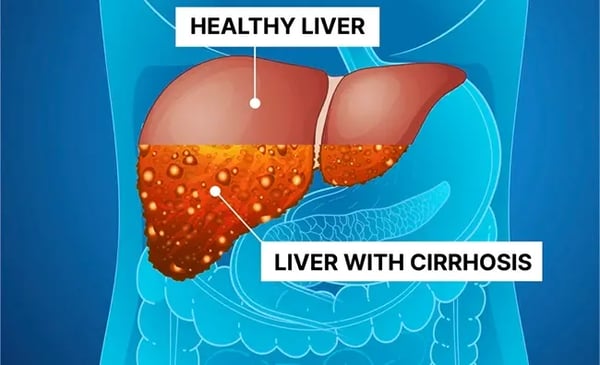
Hearing that you have Grade 3 fatty liver can be worrying. Many patients immediately fear that they have permanent liver damage or cirrhosis. Fortunately, these two conditions are not the same. While Grade 3 fatty liver indicates a large amount of fat has accumulated in the liver, it does not automatically mean that cirrhosis has developed.
At Dr. Rami Hamed Center (DRHC) Dubai, our gastroenterology specialists perform a comprehensive evaluation to determine not only how much fat is present in the liver, but also whether inflammation or scarring (fibrosis) has occurred.
Understanding Grade 3 Fatty Liver
Fatty Liver Disease is commonly classified into three grades based on the amount of fat visible on imaging studies, such as ultrasound.
- Grade 1: Mild fat accumulation.
- Grade 2: Moderate fat accumulation.
- Grade 3: Severe fat accumulation affecting a significant portion of the liver.
Grade 3 reflects the quantity of fat within the liver, not the degree of permanent liver damage.
What Is Cirrhosis?
Cirrhosis is a different condition altogether. It develops when long-term liver injury causes extensive scar tissue to replace healthy liver cells. This scarring changes the structure of the liver and may eventually reduce its ability to function properly.
Cirrhosis usually develops gradually after years of ongoing liver inflammation and fibrosis rather than simply because fat is present in the liver.
Grade 3 Fatty Liver vs. Cirrhosis
| Grade 3 Fatty Liver | Cirrhosis |
|---|---|
| A large amount of fat inside liver cells | Advanced permanent scarring of the liver |
| May be reversible with treatment | Scarring is largely irreversible |
| Does not always affect liver function | Can significantly reduce liver function |
| Requires assessment for fibrosis | Requires ongoing specialist monitoring and management |
Can Grade 3 Fatty Liver Progress to Cirrhosis?
It can, but not everyone with Grade 3 fatty liver develops cirrhosis.
The risk depends on several factors, including:
- Persistent liver inflammation
- Obesity
- Type 2 diabetes
- High cholesterol or triglycerides
- Metabolic syndrome
- Long-standing liver disease
Early diagnosis and appropriate lifestyle changes can significantly reduce the risk of progression.
What Tests May Be Needed?
If Grade 3 fatty liver is identified on ultrasound, your gastroenterologist may recommend further investigations to determine whether liver damage is present.
- Liver Function Tests
- Blood tests to assess liver health
- Assessment of liver fibrosis using non-invasive methods
- Ultrasound and additional liver imaging when appropriate
- Evaluation for associated metabolic conditions, such as diabetes
These investigations provide a clearer picture than ultrasound alone.
Can Grade 3 Fatty Liver Be Reversed?
In many patients, yes. Unlike cirrhosis, severe fatty liver may improve when the underlying causes are addressed.
Your treatment plan may include:
- Gradual, medically supervised weight loss through a Weight Loss Programme.
- Regular physical activity.
- A balanced diet rich in vegetables, lean protein, and whole grains.
- Control of diabetes, cholesterol, and blood pressure.
- Regular follow-up with a gastroenterology specialist.
When Should You See a Specialist?
You should seek medical evaluation if you have:
- Grade 2 or Grade 3 fatty liver on ultrasound.
- Persistently abnormal liver blood tests.
- Diabetes or obesity.
- A family history of chronic liver disease.
- Symptoms such as unexplained fatigue, abdominal discomfort, or swelling.
Even if you feel well, early assessment can identify patients who are at higher risk of developing liver fibrosis before complications occur.

Learn more about our Editorial Process.
Topic: Gastroenterolgy Fatty Liver



Leave a comment