

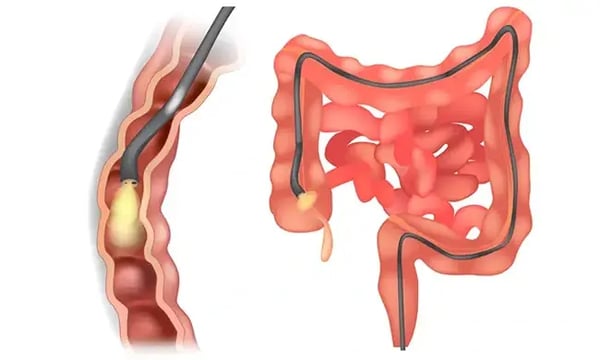
Hearing that you may need a biopsy during a gastroscopy can understandably cause concern. Many patients immediately worry that a biopsy means cancer. In reality, this is one of the most common misconceptions. In most cases, a biopsy is simply a routine part of the examination that helps your doctor make an accurate diagnosis and recommend the most appropriate treatment.
At Dr. Rami Hamed Center (DRHC) Dubai, gastroscopy with biopsy is performed using advanced endoscopy technology to investigate persistent digestive symptoms while ensuring patient comfort and safety.
What Is a Gastroscopy Biopsy?
A biopsy is the removal of a very small piece of tissue from the lining of the digestive tract during a gastroscopy. The tissue is then sent to a specialized laboratory, where it is carefully examined under a microscope.
The biopsy is taken using tiny instruments that pass through the endoscope. Because the lining of the stomach and upper digestive tract does not contain pain receptors in the same way as the skin, patients generally do not feel the biopsy being taken.
Why Might Your Doctor Take a Biopsy?
Your gastroenterologist may recommend a biopsy even if the stomach lining appears nearly normal. Microscopic examination often provides important information that cannot be seen with the camera alone.
Common reasons for taking a biopsy include:
- Diagnosing H. pylori infection, a common cause of gastritis and stomach ulcers.
- Confirming inflammation of the stomach lining (gastritis).
- Investigating gastric ulcers or duodenal ulcers.
- Evaluating persistent indigestion or unexplained stomach pain.
- Assessing changes caused by long-standing GERD (acid reflux), including Barrett's oesophagus.
- Investigating abnormal growths, polyps, or suspicious areas.
- Checking for changes that may require monitoring or treatment.
Does a Biopsy Mean Cancer?
No. This is one of the most common concerns patients have before undergoing gastroscopy.
Most biopsies are taken to diagnose common conditions such as inflammation, infection, ulcers, or changes caused by acid reflux. While biopsies can help diagnose stomach or oesophageal cancer when it is suspected, the majority of biopsy results are not cancerous.
Taking a biopsy allows your doctor to either confirm or rule out serious conditions, giving you greater clarity and helping avoid unnecessary uncertainty.
What Conditions Can a Gastroscopy Biopsy Diagnose?
Laboratory analysis of biopsy samples can help diagnose a variety of digestive disorders, including:
- Helicobacter pylori (H. pylori) infection.
- Chronic or acute gastritis.
- Peptic ulcer disease.
- Barrett's oesophagus is associated with chronic acid reflux.
- Celiac disease (when biopsies are taken from the small intestine).
- Precancerous cellular changes.
- Benign or malignant tumours.
Will Taking a Biopsy Make the Procedure Longer?
Usually not. Collecting a biopsy only adds a few minutes to the gastroscopy. The procedure itself typically takes around 10 to 20 minutes, although additional time is needed before and after the examination for preparation and recovery from sedation.
Is It Safe to Have a Biopsy?
Yes. Gastroscopy with biopsy is considered a very safe procedure when performed by experienced gastroenterologists. Serious complications are uncommon.
Most patients experience no discomfort after the biopsy, and the tiny tissue sample usually heals naturally without affecting digestion.
How Long Does It Take to Get the Results?
The tissue sample is sent to a pathology laboratory for detailed examination. Results are usually available within several days, depending on the specific tests required. Your gastroenterologist will explain the findings and discuss whether further treatment or additional investigations are needed.
What Happens After the Biopsy?
After recovering from sedation, most patients can return home the same day. Depending on the biopsy results, your doctor may recommend:
- Medication for H. pylori infection.
- Treatment for acid reflux or ulcers.
- Follow-up gastroscopy if monitoring is required.
- Additional investigations, such as Wireless pH Monitoring, Endoscopic Ultrasound (EUS), or colonoscopy, if clinically indicated.
Expert Gastroscopy Services at DRHC Dubai
At Dr. Rami Hamed Center (DRHC) Dubai, patients receive a comprehensive digestive health assessment using advanced endoscopic technology. Whether you have persistent stomach pain, chronic heartburn, difficulty swallowing, unexplained anaemia, or ongoing indigestion, our gastroenterology team provides accurate diagnosis, personalized treatment plans, and compassionate care throughout every stage of your journey.

Learn more about our Editorial Process.
Topic: Gastroenterolgy Endoscopy



Leave a comment