

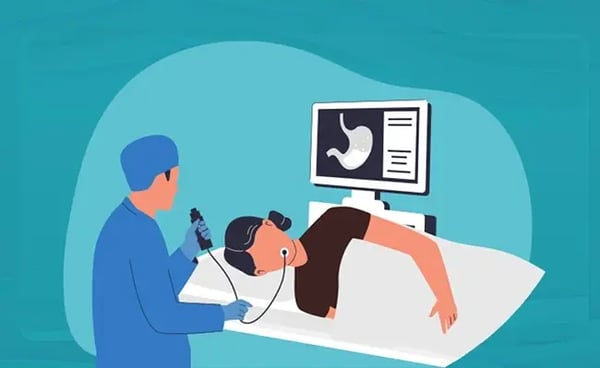
If your doctor has recommended a gastroscopy, it is natural to have questions about how to prepare and what the procedure involves. Many patients worry about fasting, whether they should stop their medications, or if the test will be uncomfortable. Understanding the preparation process can help you feel more confident and ensure the examination is completed safely and accurately.
At Dr Rami Hamed Center (DRHC) Dubai, our experienced gastroenterology team provides comprehensive guidance before your procedure to make the experience as smooth and comfortable as possible.
Why Is Proper Preparation Important?
A gastroscopy allows your gastroenterologist to examine the lining of the esophagus, stomach, and the first part of the small intestine. An empty stomach provides a clear view, improves the accuracy of the examination, and reduces the risk of complications during the procedure.
A gastroscopy may be recommended to investigate:
- Persistent acid reflux or GERD
- Difficulty swallowing
- Persistent upper abdominal pain
- Nausea or vomiting
- Unexplained iron-deficiency anemia
- Suspected gastric ulcers or H. pylori infection
- Upper gastrointestinal bleeding
How Long Should You Fast?
Most patients are asked to avoid eating for at least 6 to 8 hours before the procedure. Clear liquids may sometimes be allowed up to a few hours beforehand, depending on your doctor's instructions.
Fasting helps ensure:
- A clear view of the stomach lining.
- A safer procedure with a lower risk of aspiration.
- More accurate diagnosis.
Always follow the specific fasting instructions provided by your healthcare team.
Should You Stop Your Regular Medications?
Many regular medications can be taken with a small sip of water on the morning of the procedure. However, some medicines may need to be adjusted temporarily, including:
- Blood-thinning medications
- Diabetes medications or insulin
- Certain iron supplements
- Some medications that affect blood clotting
Never stop prescribed medication without discussing it with your doctor. Before your appointment, inform your gastroenterologist about all medications, vitamins, supplements, and any allergies.
What Happens During the Procedure?
Gastroscopy is performed using a thin, flexible camera called an endoscope. The examination usually takes around 10 to 20 minutes.
At DRHC Dubai, most patients receive sedation to help them remain relaxed and comfortable throughout the procedure. While the endoscope passes through the mouth into the digestive tract, breathing is not affected.
If necessary, your gastroenterologist can also perform biopsies or minor therapeutic procedures during the same examination without causing additional discomfort.
What Should You Expect After Gastroscopy?
After the procedure, you will rest in the recovery area until the effects of sedation begin to wear off. You may notice:
- Mild sore throat
- Temporary bloating from the air used during the examination
- Sleepiness due to sedation
Most patients return home the same day. Because of the sedative medication, you should arrange for someone to accompany you home and avoid driving or operating machinery for the remainder of the day.
When Should You Contact Your Doctor?
Although complications are uncommon, seek immediate medical attention if you develop:
- Severe abdominal pain
- Persistent vomiting
- Vomiting blood
- Black stools
- Difficulty breathing
- High fever
These symptoms require prompt medical assessment.
Comprehensive Gastroscopy Services at DRHC Dubai
At Dr Rami Hamed Center, Dubai, our specialists perform advanced endoscopy procedures using modern equipment to diagnose and manage a wide range of digestive disorders. Depending on your condition, additional investigations such as Wireless pH Monitoring, Oesophageal Manometry, or therapeutic procedures may also be recommended as part of a personalized treatment plan.

Learn more about our Editorial Process.
Topic: Gastroenterolgy Endoscopy



Leave a comment