

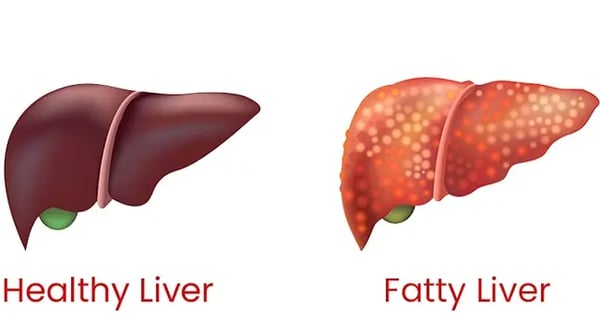
Hearing that an ultrasound shows an enlarged liver or fatty liver can be worrying, and many people assume these terms mean the same thing. In reality, they describe different findings. While they can occur together, an enlarged liver does not always mean fatty liver, and fatty liver does not always cause significant enlargement.
If you have recently undergone a health check-up in Dubai and your imaging or blood tests raised concerns about your liver, understanding these findings is the first step toward protecting your long-term health.
What Is an Enlarged Liver?
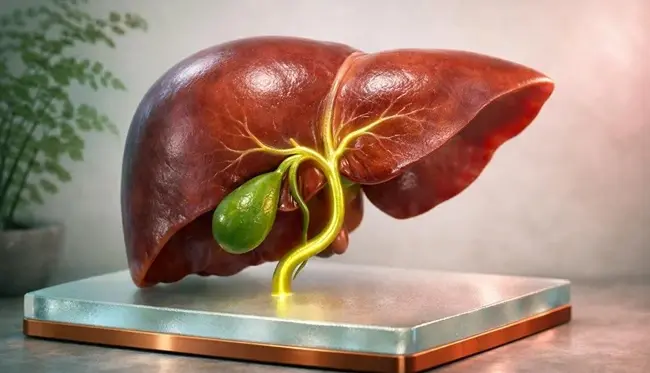
An enlarged liver, also called hepatomegaly, simply means the liver is bigger than normal. It is not a disease itself but a sign that an underlying condition may be affecting the liver.
Several conditions can cause an enlarged liver, including:
- Fatty Liver Disease
- Hepatitis B or Hepatitis C
- Liver cirrhosis
- Other liver diseases
- Heart-related conditions that affect blood flow to the liver
- Certain infections or inherited metabolic disorders
What Is Fatty Liver?
Fatty liver occurs when excess fat accumulates inside liver cells. In many people, especially during routine health screening in Dubai, it causes no symptoms and is discovered incidentally during an ultrasound.
Common risk factors include:
- Overweight or obesity
- Type 2 diabetes
- High cholesterol or triglycerides
- Metabolic syndrome
- Sedentary lifestyle
Learn more about Fatty Liver Disease and its causes.
Can Fatty Liver Cause an Enlarged Liver?
Yes. In the early stages, fat accumulation can make the liver appear larger than normal. However, not every person with fatty liver has an enlarged liver, and not every enlarged liver is caused by fat accumulation.
This is why your gastroenterologist will evaluate your ultrasound findings alongside your medical history, physical examination, and laboratory results before making a diagnosis.
How Are the Two Conditions Diagnosed?
After an ultrasound identifies an enlarged liver or fatty liver, further investigations may be recommended to understand the cause and determine whether liver damage is present.
Your assessment may include:
- Liver Function Tests including ALT, AST, and GGT
- Blood sugar and cholesterol testing
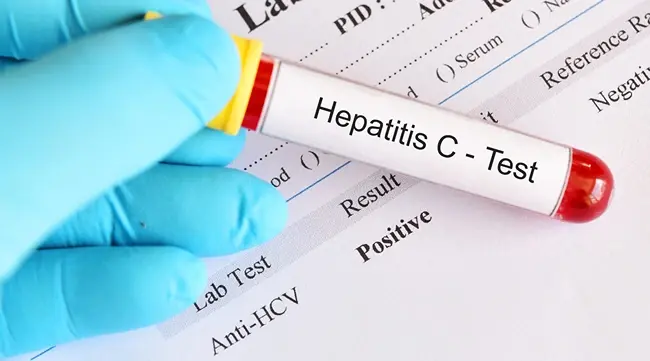
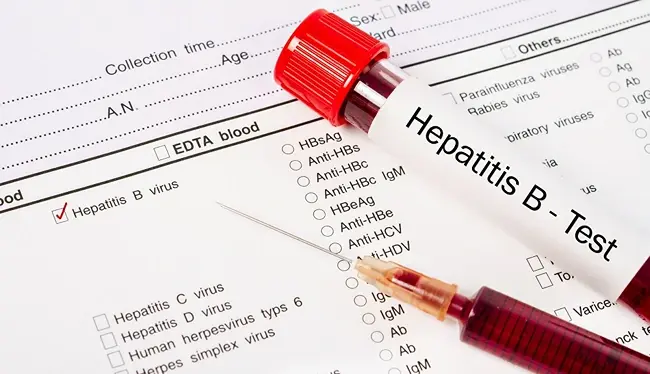
- Screening for viral hepatitis when appropriate
- Assessment for liver fibrosis using specialized imaging or additional investigations
- Further evaluation by the Gastroenterology Clinic, if needed
Do Liver Blood Tests Always Show Fatty Liver?
Not always. Many patients with fatty liver have completely normal ALT, AST, and GGT levels. Normal blood tests do not rule out fatty liver or early fibrosis.
If imaging suggests fatty liver despite normal blood results, your doctor may still recommend monitoring or additional investigations based on your overall health risks.
Can Either Condition Become Serious?
Most people with early fatty liver can successfully manage the condition through lifestyle changes. However, if inflammation develops, it may progress to fibrosis and, in some individuals, eventually lead to cirrhosis.
An enlarged liver caused by other medical conditions may also require prompt diagnosis and treatment. Identifying the underlying cause early offers the best opportunity to prevent complications.
How Is Fatty Liver Managed?
Treatment depends on the underlying cause, but commonly includes:
- Gradual weight loss when appropriate
- Regular physical activity
- Improving blood sugar control
- Managing cholesterol levels
- Treating associated liver diseases if present
Patients who struggle with obesity may also benefit from assessment through the Weight Loss Programme, which offers medically supervised non-surgical weight management options.
When Should You See a Gastroenterologist?
You should arrange an evaluation if you have:
- An ultrasound showing fatty liver or an enlarged liver
- Persistent abnormal liver blood tests
- Risk factors such as obesity or diabetes
- A family history of liver disease
- Persistent abdominal discomfort or unexplained fatigue
At DRHC Dubai, gastroenterology specialists provide a comprehensive evaluation for fatty liver, enlarged liver, and other liver conditions. Early assessment helps identify the underlying cause and allows treatment plans to be tailored to each patient's individual needs.

Learn more about our Editorial Process.
Topic: Gastroenterolgy Fatty Liver



Leave a comment