

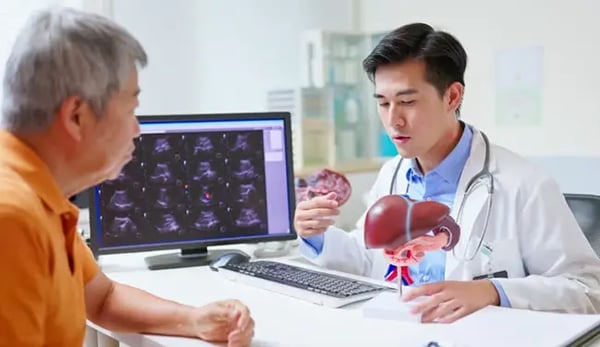
Finding out that an ultrasound shows an enlarged liver can understandably feel worrying. The good news is that an enlarged liver is a finding, not a diagnosis. It can have several causes, and further testing helps identify the reason and determine whether treatment is needed.
If your ultrasound was done during a routine check-up in Dubai, you may be wondering, “What happens next?” Here is what you can generally expect.
What Does an Enlarged Liver Mean?
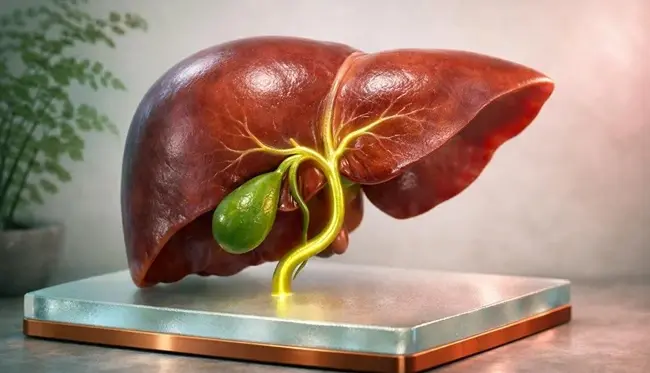
An enlarged liver, medically called hepatomegaly, means the liver is larger than expected. It may occur because of:
- Fatty liver disease
- Liver inflammation or hepatitis
- Alcohol-related liver disease
- Problems affecting the bile ducts
- Heart or blood-flow problems affecting the liver
- Certain infections or metabolic conditions
Some people have no symptoms, while others may experience discomfort or fullness under the right ribs.
What Tests May Be Recommended After an Ultrasound?
Your next tests depend on your ultrasound findings, symptoms, medical history, and risk factors. A gastroenterologist may recommend several types of assessment.
1. Liver Blood Tests
Blood tests such as ALT, AST, GGT, ALP and bilirubin can provide information about liver inflammation, liver-cell irritation and bile flow.
Additional blood tests may also be recommended to look for causes such as viral hepatitis or metabolic problems.
2. Assessment for Fatty Liver
Fatty liver is a common reason for changes in liver size and ultrasound appearance. If fatty liver is suspected, your doctor may assess factors such as weight, blood sugar, cholesterol, and other metabolic risks.
Learn more about fatty liver disease and its evaluation at DRHC Dubai.
3. Fibrosis or Liver Scarring Assessment
An ultrasound can show that the liver is enlarged or fatty, but it does not always determine whether there is significant scarring. Depending on your risk factors, your doctor may recommend a non-invasive fibrosis assessment.
This helps estimate whether long-term liver disease may have caused changes to the liver's structure.
4. Additional Imaging
If the ultrasound shows findings that need closer evaluation, further imaging may sometimes be recommended. The type of imaging depends on what was seen and what your doctor is trying to clarify.
Could Fatty Liver Be the Reason?
Yes. Fatty liver disease is one of the common causes of an enlarged liver. It occurs when excess fat accumulates in liver cells.
However, an ultrasound showing fatty liver does not by itself tell you whether inflammation or fibrosis is present. This is why blood tests and, when appropriate, fibrosis assessment can be useful.
When Should You See a Gastroenterologist?
It is particularly important to arrange a gastroenterology consultation if you have:
- Repeatedly abnormal liver blood tests
- Fatty liver or other liver changes on ultrasound
- Diabetes, obesity, or high cholesterol
- A history of hepatitis or liver disease
- Regular alcohol consumption
- Persistent discomfort under the right ribs
- Unexplained changes in liver tests
At Dr. Rami Hamed Center (DRHC) in Dubai, gastroenterology consultations can help assess abnormal liver findings and determine whether further investigations are necessary.
What If Your Liver Blood Tests Are Normal?
Normal ALT and AST results are reassuring, but they do not completely rule out fatty liver or liver fibrosis. Your doctor will consider your ultrasound report together with your blood tests, medical history, and risk factors.
This is why it is better to look at the overall picture rather than focusing on one test result.
When Is an Enlarged Liver More Concerning?
Seek medical attention promptly if liver enlargement is accompanied by symptoms such as:
- Yellowing of the skin or eyes
- Very dark urine
- Severe or persistent abdominal pain
- Repeated vomiting
- Unexplained swelling of the abdomen or legs
- Confusion or unusual drowsiness

Learn more about our Editorial Process.
Topic: Gastroenterolgy Liver Disease



Leave a comment