

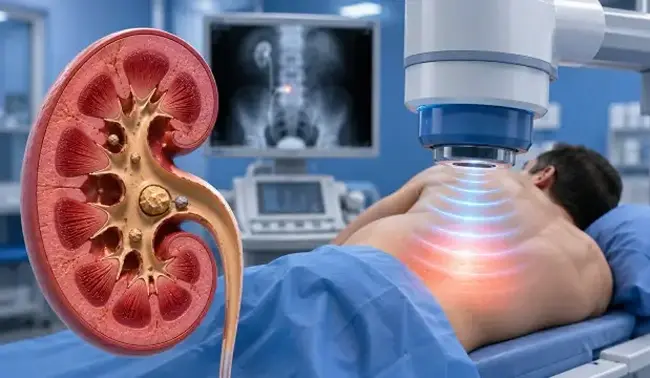
An electromagnetic pelvic floor chair uses a magnetic field to stimulate nerves and pelvic floor muscle contractions while you sit on it. It is promoted as a way to reduce urinary leakage without an operation. Some studies report improvement, but the EAU recommends electromagnetic stimulation for stress urinary incontinence only within a well-regulated, closely monitored research study. An accurate diagnosis remains the starting point.
What happens during a session?
You usually sit clothed on the treatment chair while the operator adjusts its programme and intensity. You may feel repeated contractions, tapping or tingling around the pelvic floor. Treatment is delivered as a course rather than a single permanent correction. Session number and timing vary by device and protocol. Ask for the exact treatment being offered; the term pelvic floor chair does not describe one standardised technology.
First identify the cause of leakage
Leakage during coughing, jumping or lifting suggests stress incontinence. A sudden compelling urge followed by leakage suggests urgency incontinence; some people have both. Poor bladder emptying, infection and other conditions can also cause wetness. A history, urine test, examination and bladder diary may be appropriate. Pelvic floor pain or difficulty relaxing the muscles needs particular assessment rather than an assumption that stronger contractions are always helpful.
What the evidence can and cannot show
Controlled trials of magnetic stimulation exist, including studies after prostate cancer surgery, but findings from one patient group or device cannot establish benefit for another. Studies differ in treatment schedules, comparison groups and follow-up. Improvements shortly after a course do not establish how long benefit lasts or whether repeat treatment will be needed. Ask specifically about evidence for your diagnosis, the actual device and outcomes meaningful to daily life.
How it fits with established care
Supervised pelvic floor muscle training is an established first approach for stress leakage, while bladder training and selected medicines can help urgency. A chair should not displace an appropriate physiotherapy assessment or teach you to stop prescribed treatment. Depending on the diagnosis, alternatives include continence devices, bulking injections, surgery or bladder treatments. The useful comparison includes the likely benefit, inconvenience, cost and uncertainty of each option, rather than a count of stimulated contractions.
Suitability and practical questions
Before leaving, obtain the reason for the stent, the side treated, insertion date and planned removal or exchange date. Put the appointment in your calendar and keep the contact details. If no appointment arrives, contact the treating team rather than assuming the stent can remain indefinitely. A forgotten stent can become coated with stone material, infected or difficult to remove. Longer-term stents also need a scheduled exchange plan.
Reviewing results without delaying care
A diary of leakage, pad use, and activities can make changes easier to judge. If there is little useful improvement, review the diagnosis and alternatives rather than indefinitely repeating sessions. Blood in the urine, recurrent infections or worsening emptying should be investigated separately. Inability to pass urine, fever with urinary symptoms, or new bladder problems with leg weakness or numbness around the groin require urgent medical assessment.
Discussing your options through DRHC
A consultation with Dr. Mansour Masoumi, Specialist Urologist, can help connect these choices with your symptoms, previous treatment, and practical priorities. Bring relevant results and a current medicine list. Care can be discussed and arranged through DRHC; the final treatment is chosen after an individual assessment and an explanation of the likely benefits, limitations, and alternatives.
Disclaimer:
This article is educational and does not replace a medical consultation. Do not use it for self-diagnosis or self-treatment, or to start, stop, or change medicines. Your doctor should guide decisions after assessing your circumstances.

Learn more about our Editorial Process.
Topic: Urology Blogs



Leave a comment