

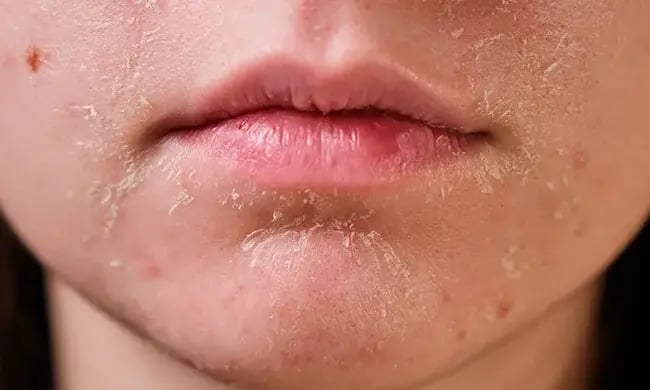
Years of sun exposure can gradually damage the skin, often in ways that are not immediately visible. One of the most common signs of long-term UV damage is actinic keratosis, a rough, scaly skin lesion that develops on sun-exposed areas such as the face, scalp, ears, neck, arms, and hands.
Although actinic keratosis is considered precancerous rather than cancerous, early treatment is important because some lesions may eventually progress into skin cancer if left untreated.
At the DRHC Dermatology Department in Dubai, cryotherapy is commonly used as a safe and effective treatment for actinic keratosis and other sun-related skin lesions.
What Is Actinic Keratosis?
Actinic keratosis (AK) is a rough, dry caused by cumulative sun damage over time. These lesions often develop slowly after years of ultraviolet (UV) exposure.
Actinic keratosis commonly appears as:
- Rough or sandpaper
- Red, pink, or skin-colored lesions
- Dry or flaky skin spots
- Tender or itchy areas
- Crusty
Some lesions are easier to feel than to see.
Why Is Early Treatment Important?
Many patients assume actinic keratosis is simply harmless sun damage. However, AK is considered a precancerous skin condition.
Without treatment, some lesions may gradually progress into squamous cell carcinoma, a type of skin cancer.
Early diagnosis and treatment help:
- Destroy abnormal cells before progression
- Reduce future skin cancer risk
- Improve skin health and appearance
- Prevent lesion enlargement
What Is Cryotherapy?
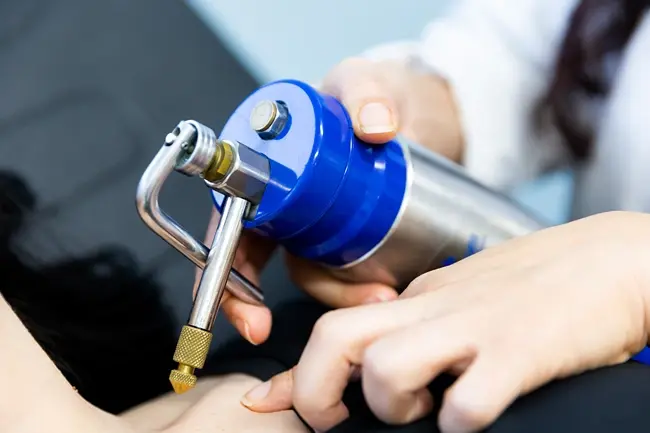
Cryotherapy is a minimally invasive dermatology treatment that uses extreme cold—typically liquid nitrogen—to freeze and destroy abnormal skin cells.
During treatment:
- The lesion is carefully targeted
- Liquid nitrogen rapidly freezes abnormal tissue
- Damaged cells gradually break down
- The skin heals naturally over time
Cryotherapy is one of the most commonly used treatments for superficial actinic keratosis lesions.
How Effective Is Cryotherapy for Actinic Keratosis?
Cryotherapy is highly effective for many cases of actinic keratosis, especially when lesions are detected early.
Benefits include:
- Quick outpatient treatment
- No surgical incisions in most cases
- Minimal downtime
- High success rates for superficial lesions
- Treatment completed within minutes
Some patients may require additional sessions depending on the number and thickness of lesions.
What Happens During the Procedure?
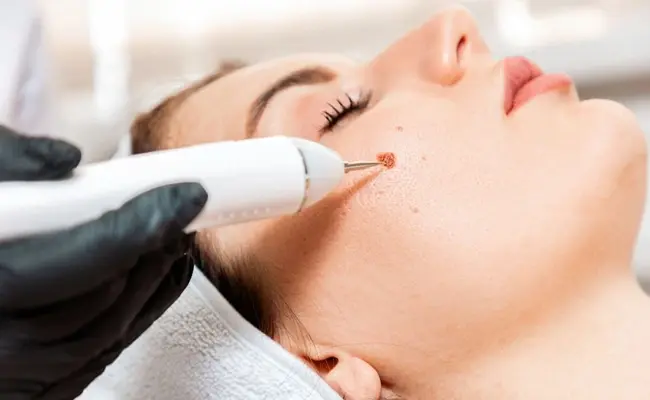
The procedure is typically quick and performed during a regular dermatology visit.
- The skin is examined carefully
- Liquid nitrogen is applied directly to the lesion
- The treated area freezes for several seconds
- The abnormal tissue gradually dries and heals
Most patients can return to normal activities immediately afterward.
Is Cryotherapy Painful?
Most patients tolerate cryotherapy very well.
You may briefly experience:
- A cold sensation
- Mild stinging or burning
- Temporary tenderness afterward
We understand that any skin procedure can feel concerning, especially when performed on visible areas like the face or scalp. Fortunately, cryotherapy is usually fast, minimally invasive, and requires little recovery time.
What to Expect After Cryotherapy
After treatment, the skin may temporarily develop:
- Redness
- Swelling
- Mild blistering
- Scabbing
- Temporary darkening or lightening of the skin
These healing changes are usually temporary and improve gradually.
How Long Does Healing Take?
Healing time varies depending on the treatment area and lesion size.
Many patients recover within 1–3 weeks.
Facial lesions often heal more quickly than lesions on the arms or hands.
Can Actinic Keratosis Return?
Yes. Cryotherapy removes treated lesions, but it does not reverse all underlying sun damage.
Patients with a significant sun exposure history may develop new lesions over time, which is why regular skin monitoring is important.
How to Reduce Future Sun Damage
- Use broad-spectrum sunscreen daily
- Avoid excessive midday sun exposure
- Wear protective clothing and hats
- Attend regular dermatology skin checks
- Seek evaluation for new or changing skin lesions
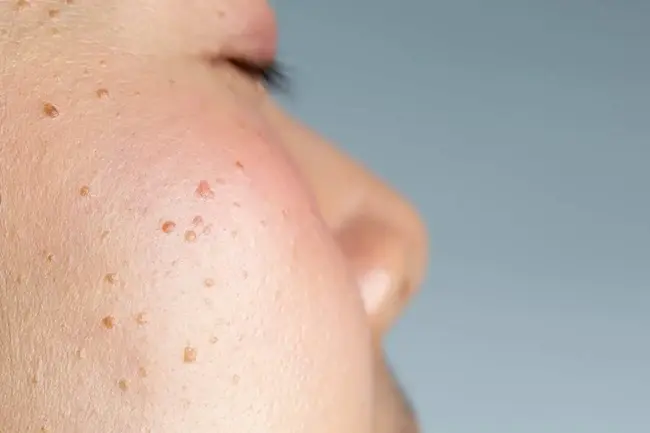
Patients with visible sun-related pigmentation concerns may also explore sunspot and age spots removal treatments available at DRHC Dubai.
When Should You See a Dermatologist?
You should seek professional evaluation if you notice:
- Persistent rough
- Lesions that bleed easily
- Rapidly growing spots
- Skin lesions that change in color or texture
- Non-healing skin areas
In selected cases, additional evaluation, such as skin cancer screening or assessment for melanoma detection and treatment, may be recommended.

Learn more about our Editorial Process.
Topic: Dermatology Cryotherapy



Leave a comment