

Losing weight is not always as simple as eating less and exercising more. Many people struggle with excess weight despite making healthy lifestyle changes. Factors such as metabolism, hormones, medical conditions, stress, and genetics can all make weight loss more challenging. If you have been trying to lose weight without lasting success, you may be wondering whether a gastric balloon could help.
A gastric balloon is a non-surgical weight loss procedure designed to help people achieve meaningful weight loss by reducing hunger and helping them feel full sooner. It is a temporary treatment that works best when combined with healthier eating habits, regular physical activity, and long-term lifestyle changes.
At Dr. Rami Hamed Center (DRHC) Dubai, the Gastroenterology Clinic provides comprehensive weight management assessments to determine whether a gastric balloon is the right option for each individual.
What Is a Gastric Balloon?
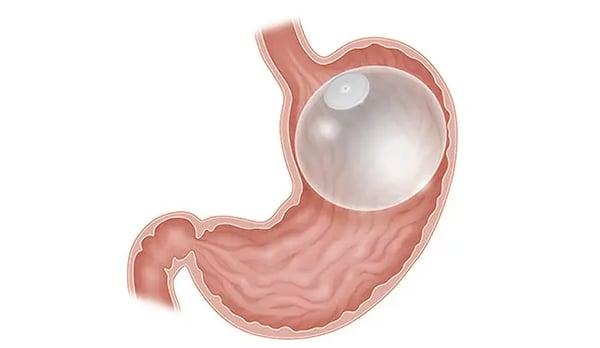
A gastric balloon is a soft silicone balloon that is placed inside the stomach during a simple endoscopic procedure. Once positioned, it is filled with sterile saline, taking up space inside the stomach. This helps you feel full after eating smaller portions and may reduce hunger between meals.
Unlike weight loss surgery, a gastric balloon does not involve any incisions or permanent changes to the digestive system. It is usually removed after approximately six to twelve months, depending on the type of balloon used and your treatment plan.
You can learn more about the procedure on our Gastric Balloon Treatment in Dubai page.
Who Is a Good Candidate for a Gastric Balloon?
You may be a suitable candidate if you:
- Have a Body Mass Index (BMI) generally between 27 and 40.
- Have struggled to lose weight through diet and exercise alone.
- Are motivated to make long-term lifestyle changes.
- Do not wish to undergo bariatric surgery.
- Need to lose weight before another planned surgery to reduce surgical risks.
- Have weight-related health conditions such as high blood pressure, fatty liver disease, sleep apnea, or prediabetes.
Every patient is different. A full medical evaluation is necessary to determine whether a gastric balloon is safe and appropriate for your health.
Who May Not Be Suitable for a Gastric Balloon?
A gastric balloon may not be recommended if you have:
- Previous major stomach or esophageal surgery.
- Large hiatal hernia.
- Active stomach ulcers.
- Severe acid reflux (GERD) that requires alternative treatment.
- Inflammatory bowel disease affecting the upper digestive tract.
- Pregnancy or plans to become pregnant during treatment.
- Certain swallowing disorders or stomach abnormalities.
- Untreated alcohol or substance dependency.
Your medical history, current medications, and overall health will all be carefully reviewed before making a recommendation.
How Much Weight Can You Expect to Lose?
Weight loss results vary from person to person. Most patients achieve significant weight loss when they actively participate in a structured nutrition and lifestyle programme.
The gastric balloon is designed to support healthier eating habits rather than replace them. Patients who attend follow-up appointments, follow dietary guidance, and remain physically active are generally more likely to achieve lasting results.
What Happens Before the Procedure?
Before treatment, you will undergo a comprehensive assessment that may include:
- Medical history review.
- Physical examination.
- BMI calculation.
- Blood investigations.
- Assessment of existing medical conditions.
- Evaluation of eating habits and lifestyle.
In some cases, your specialist may recommend an Upper GI Endoscopy (Gastroscopy) before placement to evaluate the stomach and rule out conditions that could affect treatment.
What Is Recovery Like?
Many patients return home on the same day. During the first few days, it is common to experience:
- Nausea.
- Vomiting.
- Abdominal discomfort.
- Temporary stomach cramps.
These symptoms usually improve within several days as the stomach adapts to the balloon. Medications are often prescribed to reduce discomfort during this adjustment period.
Can the Weight Stay Off After the Balloon Is Removed?
One of the most common concerns patients have is whether they will regain the weight after balloon removal.
The gastric balloon is intended to help establish healthier eating patterns while providing an opportunity to build sustainable lifestyle habits. Long-term success depends largely on maintaining balanced nutrition, regular exercise, adequate sleep, and ongoing healthy choices after the balloon is removed.
Ongoing follow-up with your healthcare team can help improve long-term outcomes.
Are There Any Risks?
Like any medical procedure, gastric balloon treatment has potential risks, although serious complications are uncommon when performed by experienced specialists.
Possible risks include:
- Persistent nausea or vomiting.
- Acid reflux.
- Stomach irritation or ulcers.
- Balloon deflation (rare).
- Intestinal blockage if a deflated balloon migrates (very rare).
Following post-procedure instructions and attending scheduled follow-up visits helps reduce these risks.
Is a Gastric Balloon Right for You?
If you have struggled with excess weight despite making genuine efforts to improve your lifestyle, a gastric balloon may provide the additional support needed to achieve your health goals. However, it is not suitable for everyone, and choosing the right treatment begins with a thorough medical assessment.
At Dr. Rami Hamed Center (DRHC) Dubai, our specialists provide individualized evaluations to determine the most appropriate weight management approach based on your overall health, medical history, and long-term goals. For some patients, alternatives available through our Gastroenterology Clinic or Weight Loss Programme may be more suitable.

Learn more about our Editorial Process.
Topic: Gastroenterolgy Weight Loss



Leave a comment