

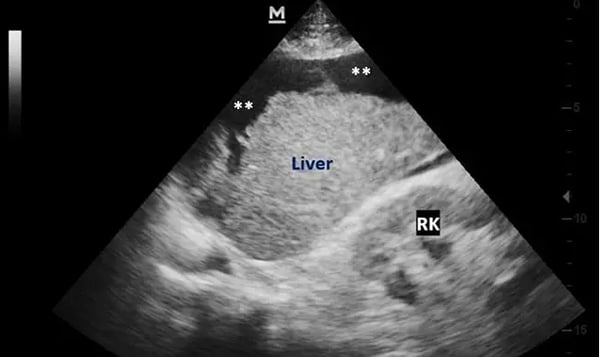
Hearing that your ultrasound shows a fatty liver can be worrying, especially if you feel perfectly healthy. Many people in Dubai discover fatty liver during a routine health check or an ultrasound performed for unrelated abdominal symptoms. The good news is that, in many cases, fatty liver can be managed successfully—particularly when it is identified early.
At DRHC Dubai Gastroenterology Clinic, patients receive a thorough evaluation to determine the cause of fatty liver, assess liver health, and develop a personalised treatment plan aimed at preventing disease progression.
What Does a Fatty Liver Mean?
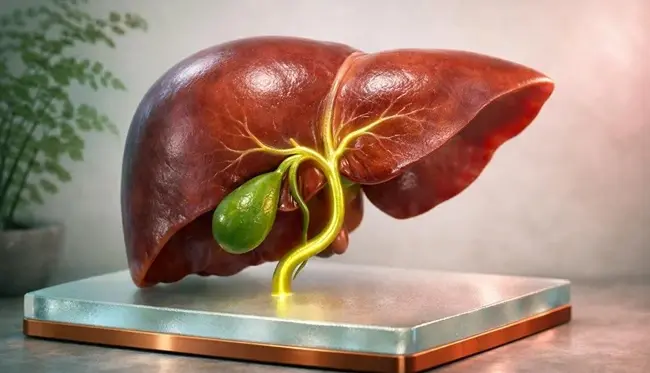
A fatty liver means that excess fat has accumulated inside the liver cells. While a small amount of fat is normal, too much fat may affect how the liver functions over time.
Fatty liver may be linked to:
- Being overweight or obese.
- Type 2 diabetes.
- High cholesterol or triglycerides.
- Metabolic syndrome.
- Certain medications.
- Excessive alcohol intake.
Many patients have non-alcoholic fatty liver disease (NAFLD), which develops independently of alcohol consumption.
The Next Step Is Finding the Cause
An ultrasound can detect fat in the liver, but it cannot determine the severity of liver damage or identify the underlying cause. Your gastroenterologist may recommend further evaluation to understand your liver health more completely.
This may include:
- Liver function blood tests.
- Assessment of cholesterol and blood sugar levels.
- Review of medications and medical history.
- Evaluation for other liver diseases.
- Assessment of lifestyle and metabolic risk factors.
Could Fatty Liver Become Serious?
Not everyone with fatty liver develops complications. However, in some people, excess fat can trigger inflammation and scarring within the liver.
Without appropriate management, fatty liver may progress to:
- Liver inflammation.
- Fibrosis (scar tissue formation).
- Liver cirrhosis.
- Reduced liver function in advanced cases.
Early diagnosis and ongoing monitoring significantly reduce the risk of long-term liver damage.
How Is Fatty Liver Treated?
Treatment focuses on improving overall metabolic health rather than treating the liver alone. Your management plan may include:
- Gradual weight loss if overweight.
- Regular physical activity.
- Healthier eating habits.
- Control of diabetes, cholesterol, and blood pressure.
- Regular follow-up with a gastroenterologist.
For patients who struggle to lose weight despite lifestyle changes, medically supervised options available through the Weight Loss Programme may also be discussed when appropriate.
Why Follow-Up Is Important
Even if you have no symptoms, regular monitoring allows your doctor to assess whether the condition is improving, stable, or progressing.
Follow-up may include:
- Repeat liver function tests.
- Follow-up imaging studies.
- Monitoring weight and metabolic health.
- Review of lifestyle progress.
- Assessment for other digestive or liver conditions if necessary.
When Should You See a Gastroenterologist?
You should arrange a specialist assessment if:
- Your ultrasound shows a fatty liver.
- Your liver blood tests are abnormal.
- You have diabetes or obesity.
- You have a family history of liver disease.
- You experience persistent fatigue, abdominal discomfort, or unexplained weight changes.
Early evaluation allows appropriate treatment before permanent liver damage develops.

Learn more about our Editorial Process.
Topic: Gastroenterolgy Fatty Liver



Leave a comment