

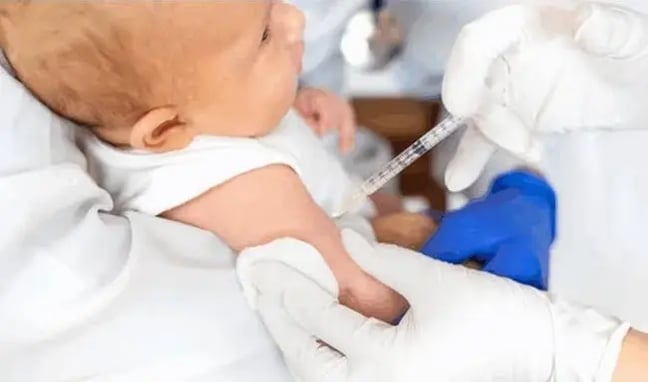
Watching your baby receive their first vaccinations can bring mixed emotions. You may feel reassured that you are protecting your child, while also wondering why vaccines need to begin so early. It is natural to ask whether a newborn's immune system is ready or whether it would be better to wait until the baby is older.
The reason childhood vaccination starts early is simple: babies can be vulnerable to certain serious infections during the first months and years of life. Vaccines are scheduled to provide protection at an age when it can be most valuable, rather than waiting until a child has already been exposed.
Why Is the First Year So Important?
A baby's immune system is developing from birth. Although babies can respond to infections and vaccines, they do not have the same level of immune protection that develops through previous exposure to infections and vaccination.
Some infections can be particularly serious in young infants. Depending on the infection, complications can include severe respiratory illness, dehydration, meningitis, or other serious problems. Starting vaccination at the recommended age helps reduce this period of vulnerability.
Vaccination schedules are therefore carefully planned around factors such as the age at which a child is most at risk, how well the immune system responds to a particular vaccine, and when protection is needed.
Why Not Wait Until the Baby Is Older?
A common thought is, “My baby is mostly at home, so why vaccinate now?” The challenge is that infections do not always require a child to be in school or a crowded environment. Parents, siblings, relatives, caregivers, and visitors can all come into contact with infants.
Waiting does not make an infection less capable of affecting a baby. It simply leaves the child without the intended vaccine protection for longer.
For this reason, following the recommended child vaccination schedule in Dubai helps ensure that protection is developed at the appropriate stages of childhood.
Can a Young Baby's Immune System Handle Vaccines?
Yes. A baby's immune system is capable of responding to vaccines. Vaccines introduce specific components that allow the immune system to learn how to recognize particular infections.
This does not mean that vaccines overload the immune system. Babies encounter many microorganisms and other substances in their normal environment every day. The immune system is constantly learning to distinguish between different substances and respond appropriately.
Vaccines work by preparing this system in advance, so that if the child later encounters the actual infection, their immune system is better prepared to respond.
What Protection Can Babies Receive Early in Life?
The exact timing of vaccines varies according to the vaccine, the child's age, medical history, and the vaccination schedule being followed. Early childhood immunization may provide protection against several potentially serious infections.
For example, infant vaccination programmes may include protection against diseases such as:
- Hepatitis B
- Polio
- Diphtheria
- Tetanus
- Whooping cough
- Hib disease
- Pneumococcal disease
- Rotavirus infection
Some vaccines require multiple doses because protection needs to be built or strengthened over time. Your pediatrician can explain which vaccines your baby needs and when they are due.
What About Antibodies Passed From the Mother?
Babies receive some antibodies from their mothers during pregnancy, and breastfeeding can provide additional immune protection. These antibodies are valuable, but they do not replace routine childhood vaccination.
Maternal antibodies gradually decrease over time, and they do not provide complete protection against every vaccine-preventable infection. Vaccination helps the baby's own immune system develop targeted protection.
Are Early Childhood Vaccines Safe?
Vaccines recommended for infants are evaluated for safety and effectiveness before they are included in vaccination programmes. Like any medical intervention, vaccines can cause side effects, but most reactions are mild and temporary.
After vaccination, a baby may experience soreness, redness, or swelling at the injection site, mild fever, tiredness, or irritability. The specific reaction depends on the vaccine and the individual child.
If your baby has a significant medical condition or has previously experienced a serious reaction to a vaccine, tell the pediatrician before the next dose. This allows the healthcare professional to assess whether any additional precautions are needed.
What If My Baby Is Sick on Vaccination Day?
Parents often worry that a cough, runny nose, or mild illness means vaccination must be postponed. A mild illness does not necessarily prevent a child from being vaccinated, but the decision should be based on the child's condition and the vaccines being considered.
If your baby has a significant illness, a high fever, or you are unsure whether they are well enough for vaccination, discuss this with the pediatrician before the appointment.
Why Some Vaccines Need More Than One Dose
You may notice that your baby's vaccination schedule includes several doses of the same vaccine. This does not mean the first dose has failed.
For some vaccines, a series of doses helps establish a stronger or longer-lasting immune response. Booster doses may also be recommended later to maintain protection. Keeping track of each dose is therefore an important part of your child's healthcare.
What If We Have Missed an Early Vaccine?
If your baby's vaccination has been delayed, there is no need to panic. A missed dose does not automatically mean that the entire vaccination series needs to be started again.
A pediatrician can review the vaccines your baby has already received and determine an appropriate catch-up plan. This is particularly important for families who have moved to Dubai and have vaccination records from another country.
Bring your baby's available vaccination cards or medical records to the appointment. The healthcare team can assess the documented doses and advise you on what is needed next.

Learn more about our Editorial Process.
Topic: Pediatric Blogs



Leave a comment