

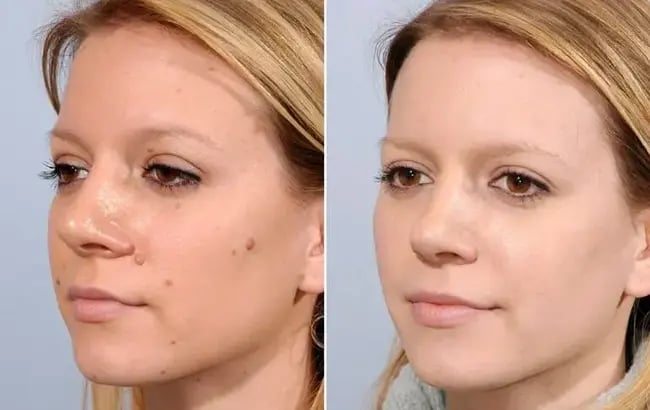
Skin cryotherapy is a commonly used dermatology procedure that helps treat a variety of skin concerns, including warts, skin tags, sun-damaged lesions, and certain benign skin growths. Because it is quick and minimally invasive, many patients choose cryotherapy as an effective treatment option with little downtime.
However, it is completely normal to feel unsure about what happens after the procedure. Understanding the healing process can help you feel more confident and prepared.
At the DRHC Dermatology Department in Dubai, patients receive detailed guidance before and after cryotherapy to support smooth healing and optimal results.
What Happens Immediately After Cryotherapy?
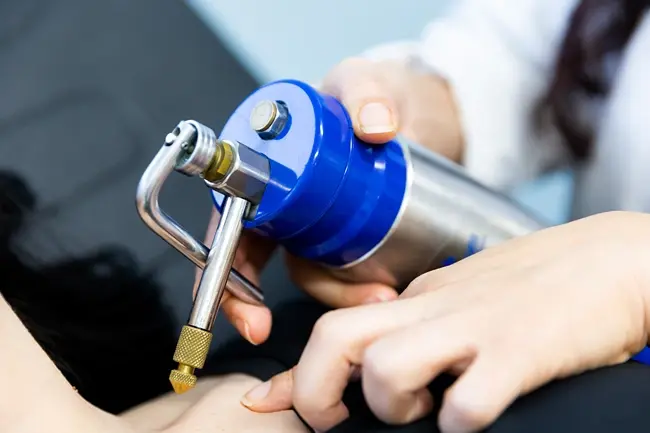
Cryotherapy works by using extreme cold—usually liquid nitrogen—to freeze and destroy targeted skin tissue.
Right after treatment, the treated area may appear:
- Red or slightly swollen
- White or frosted temporarily
- Sensitive or mildly tender
Some patients also experience a mild stinging or burning sensation for a short period after the procedure.
We understand that changes in the skin after treatment can feel concerning, but most reactions are expected and part of the normal healing process.
What Happens During the Healing Process?
First 24–48 Hours
The treated area may become:
- Red
- Swollen
- Mildly uncomfortable
In some cases, a blister may develop. This is a normal response to the freezing process.
After Several Days
The lesion may:
- Darken
- Dry out
- Form a scab or crust
The damaged tissue gradually separates from healthy skin.
Within 1–3 Weeks
The treated lesion usually falls off naturally, allowing new skin to form underneath.
Healing time depends on:
- The size of the lesion
- The depth of treatment
- The location on the body
- Your skin type
Common Temporary Side Effects
Most side effects after cryotherapy are mild and temporary.
These may include:
- Redness
- Swelling
- Blistering
- Scabbing
- Mild tenderness
- Temporary lightening or darkening of the skin
These reactions are usually part of normal healing and improve over time.
How to Care for Your Skin After Cryotherapy
Proper aftercare helps reduce irritation and supports healthy healing.
Keep the Area Clean
Wash gently with mild soap and water.
Avoid Picking or Scratching
Allow scabs or blisters to heal naturally. Picking at the skin can increase the risk of scarring or infection.
Protect the Skin from Sun Exposure
The treated area may be more sensitive to sunlight during healing.
Patients with pigmentation concerns may also benefit from treatments such as laser treatment for hyperpigmentation if needed after healing.
Follow Your Dermatologist’s Instructions
Some lesions may require additional care depending on the treatment area and skin condition.
When Should You Contact a Dermatologist?
While complications are uncommon, medical evaluation is recommended if you notice:
- Severe pain
- Excessive swelling
- Signs of infection
- Persistent bleeding
- Delayed healing
Any skin lesion that changes unexpectedly should also be reassessed. In some cases, further evaluation, such as skin cancer screening, may be appropriate.
Will Cryotherapy Leave a Scar?
Most patients heal with little or no noticeable scarring. However, temporary skin color changes may occur, especially in darker skin tones.
Proper aftercare and avoiding sun exposure during healing can help improve cosmetic results.
Can the Lesion Come Back?
Some lesions, especially viral warts, may return after treatment. Additional sessions may occasionally be needed for complete removal.
For stubborn lesions, DRHC Dubai also offers advanced skin tag and wart removal treatments and other dermatological procedures.

Learn more about our Editorial Process.
Topic: Dermatology Cryotherapy



Leave a comment