

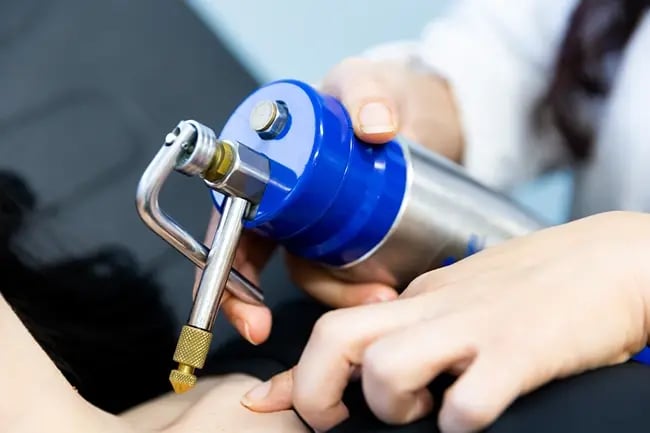
Many skin conditions and benign skin growths can be treated without major procedures or long recovery periods. One of the most commonly used minimally invasive dermatology treatments is skin cryotherapy.
Cryotherapy is widely used to remove unwanted or abnormal skin tissue by applying controlled freezing technology directly to the affected area. It is quick, effective, and suitable for many common dermatological conditions.
At the DRHC Dermatology Department in Dubai, skin cryotherapy is performed using modern dermatology techniques to help patients safely manage both cosmetic and medical skin concerns.
What Is Skin Cryotherapy?
Skin cryotherapy is a medical procedure that uses extreme cold—usually liquid nitrogen—to freeze and destroy abnormal or unwanted skin tissue.
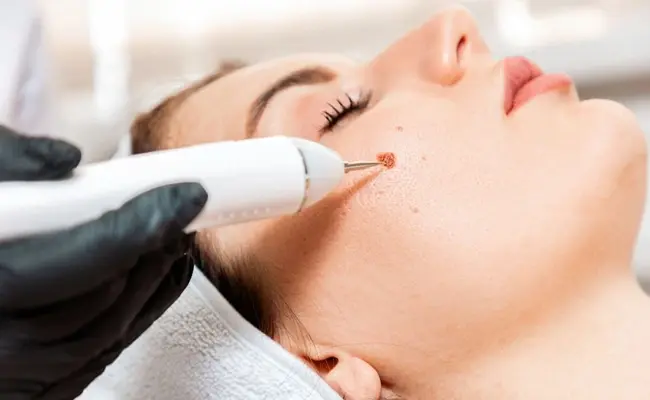
The freezing process damages targeted skin cells, allowing the treated lesion to gradually dry up, scab, and fall away while healthy skin heals underneath.
Cryotherapy is considered a minimally invasive outpatient procedure and is often completed within minutes.
What Skin Conditions Can Cryotherapy Treat?
Cryotherapy is commonly used for a variety of benign and precancerous skin conditions.
1. Warts
Cryotherapy is one of the most effective treatments for common and plantar warts caused by viral skin infections.
Patients may also benefit from skin tag and wart removal treatments available at DRHC Dubai.
2. Skin Tags
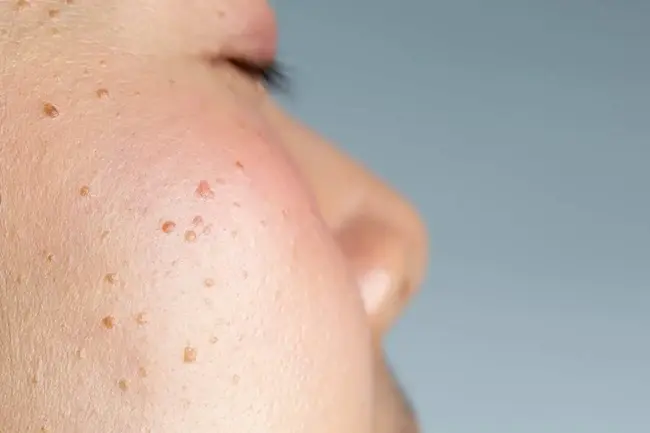
Skin tags are harmless soft growths that often develop in areas of friction, such as the neck, underarms, and eyelids.
3. Seborrheic Keratosis
These common non-cancerous skin growths can often be removed safely with cryotherapy.
4. Actinic Keratosis
Actinic keratosis is a precancerous lesion caused by sun damage. Cryotherapy helps destroy abnormal cells before they progress further.
5. Certain Pigmented Lesions
Some superficial sunspots and benign pigmented lesions may also respond well to cryotherapy, depending on their characteristics.
Additional treatments for sunspots and age spots removal are available at DRHC Dubai.
What Are the Benefits of Skin Cryotherapy?
Cryotherapy offers several important advantages for patients.
- Quick outpatient treatment
- Minimally invasive procedure
- Little to no downtime
- High success rates for many skin lesions
- No surgical incisions in most cases
- Suitable for many common skin conditions
Many patients appreciate that cryotherapy is both effective and convenient.
What Happens During the Procedure?
The treatment is usually performed during a standard dermatology appointment.
- The skin lesion is carefully examined
- Liquid nitrogen is applied directly to the area
- The tissue freezes rapidly
- The abnormal cells gradually break down afterward
The procedure itself often takes only a few minutes, depending on the number and size of lesions.
Is Skin Cryotherapy Painful?
Most patients tolerate cryotherapy very well.
You may experience:
- A cold sensation
- Mild stinging or burning
- Temporary tenderness after treatment
We understand that patients may feel anxious before skin procedures. Fortunately, cryotherapy is generally fast and minimally uncomfortable for most people.
What to Expect After Cryotherapy
After treatment, the skin may go through several temporary healing stages.
Common Reactions After Treatment
- Redness
- Mild swelling
- Blister formation
- Scabbing
- Temporary pigmentation changes
These reactions are usually normal parts of the healing process.
How Long Does Recovery Take?
Healing time depends on:
- The size of the lesion
- The treatment area
- The depth of freezing
- The patient’s skin type
In many cases, the treated area heals within 1–3 weeks.
How to Care for Your Skin After Cryotherapy
- Keep the area clean and dry
- Avoid picking at scabs or blisters
- Protect healing skin from excessive sun exposure
- Follow your dermatologist’s aftercare instructions carefully
Patients interested in improving skin appearance after healing may also explore laser skin rejuvenation treatments and other advanced dermatology procedures available at DRHC Dubai.
Are There Any Risks?
Cryotherapy is generally very safe, but temporary side effects may occur.
Possible side effects include:
- Temporary skin discoloration
- Mild blistering
- Tenderness
- Rare scarring
Professional evaluation and proper treatment technique help minimize risks and improve cosmetic outcomes.
When Should You Seek Dermatology Evaluation?
You should seek medical evaluation if a skin lesion:
- Changes rapidly
- Bleeds repeatedly
- Becomes painful
- Looks irregular
- Does not heal
Some skin lesions may require additional assessment, such as skin cancer screening or evaluation for melanoma detection and treatment.

Learn more about our Editorial Process.
Topic: Dermatology Cryotherapy



Leave a comment