

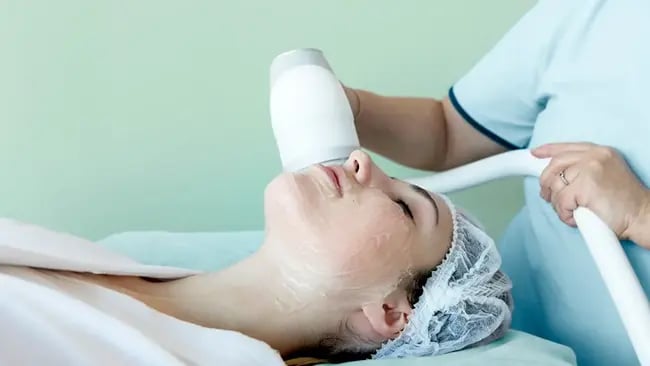
Skin changes such as warts, skin tags, sun-damaged spots, and certain benign skin lesions are extremely common. While many of these conditions are harmless, they can still affect comfort, confidence, and overall skin health.
One of the most effective and minimally invasive dermatology treatments used today is skin cryotherapy. This treatment uses controlled freezing technology to safely remove or treat specific skin lesions without the need for major surgery.
At DRHC Dermatology Department in Dubai, cryotherapy is commonly used to treat a variety of skin conditions quickly and safely with minimal downtime.
What Is Skin Cryotherapy?
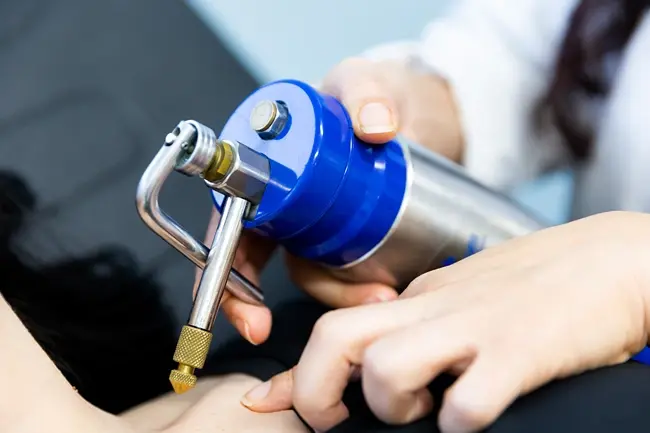
Cryotherapy is a medical procedure that uses extreme cold—typically liquid nitrogen—to freeze and destroy abnormal or unwanted skin tissue.
The freezing process causes targeted skin cells to break down naturally, allowing healthier skin to replace them over time.
The procedure is usually performed in the clinic and often takes only a few minutes, depending on the size and number of lesions being treated.
How Does Cryotherapy Work?
During cryotherapy, a controlled amount of liquid nitrogen is applied directly to the affected skin area. The extreme cold freezes the targeted tissue, causing the abnormal cells to gradually die and fall away.
After treatment, the skin typically heals naturally over the following days or weeks.
We understand that any skin procedure can feel concerning, especially when it involves freezing the skin. Fortunately, cryotherapy is generally quick, well-tolerated, and minimally invasive.
Which Skin Conditions Can Cryotherapy Treat?
Cryotherapy is commonly used in dermatology for both cosmetic and medical skin concerns.
1. Warts
Common warts and plantar warts can often be effectively treated with cryotherapy. Freezing destroys the virus-infected skin cells, allowing healthier skin to grow.
Patients seeking treatment for stubborn warts may also benefit from skin tag and wart removal treatments available at DRHC Dubai.
2. Skin Tags
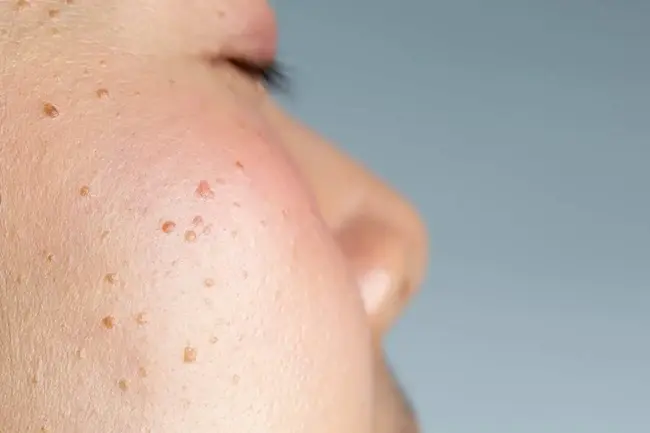
Skin tags are soft, harmless growths that commonly appear on the neck, eyelids, underarms, or body folds. Cryotherapy can remove them quickly with minimal discomfort.
3. Precancerous Skin Lesions (Actinic Keratosis)
Actinic keratosis is caused by long-term sun damage and may develop into skin cancer if left untreated. Cryotherapy is frequently used to destroy these abnormal cells early.
4. Sunspots and Age Spots
Certain pigmentation lesions caused by sun exposure may improve with cryotherapy, depending on the type and depth of pigmentation.
Additional options for sunspots and age spots removal are also available at DRHC Dubai.
5. Seborrheic Keratosis
These common, harmless brown skin growths often appear with age and can be safely treated with cryotherapy.
6. Certain Benign Skin Lesions
Cryotherapy may also be used for selected benign skin growths after proper dermatological evaluation.
What to Expect During the Procedure
The procedure is usually performed during a regular dermatology visit.
- The skin is first examined carefully
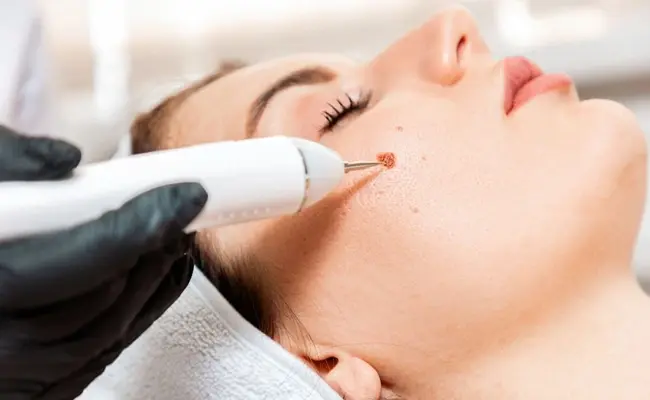
- Liquid nitrogen is applied to the targeted area
- A temporary freezing sensation is common
- The treated area may blister or scab before healing
Most patients can return to normal activities immediately after treatment.
Is Cryotherapy Painful?
Most patients describe cryotherapy as mildly uncomfortable rather than painful. You may feel a brief burning, stinging, or cold sensation during treatment.
We understand that patients often worry about pain or scarring. In most cases, cryotherapy heals well with minimal marks when performed appropriately.
Recovery After Skin Cryotherapy
Healing time depends on the size and location of the treated area. Common temporary side effects include:
- Redness
- Mild swelling
- Blistering
- Scabbing
- Temporary skin color changes
Proper aftercare helps support smooth healing and reduce the risk of complications.
When Should You See a Dermatologist?
It is important not to ignore skin lesions that:
- Change in size or color
- Bleed easily
- Become painful or irritated
- Persist for a long time
- Appear after significant sun exposure
Some lesions may require evaluation to rule out more serious conditions, including skin cancer screening or melanoma assessment.

Learn more about our Editorial Process.
Topic: Dermatology Cryotherapy



Leave a comment