

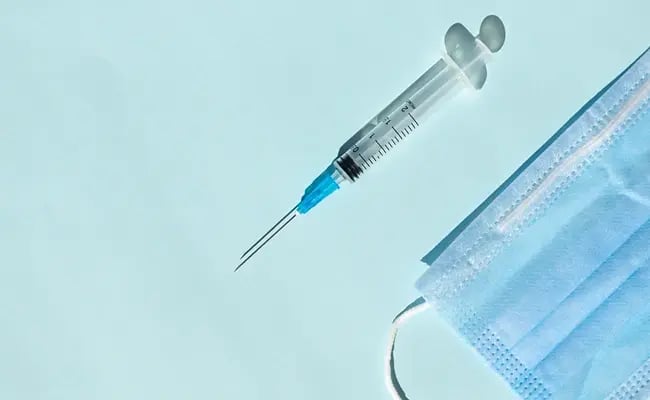
Urethral bulking injections can reduce stress urinary incontinence by improving closure of the urinary outlet. Stress leakage happens with coughing, sneezing, lifting, or exercise. The doctor injects a bulking material into the urethral wall to help it seal more effectively. This is a less invasive option than many continence operations, but it is generally less effective, and repeat treatment is common.
How the treatment works
A small telescope allows the doctor to see the urethra and place the material at selected points beneath its lining. The resulting cushions help the passage close when pressure rises in the abdomen. Local anaesthetic is often possible, although arrangements depend on the procedure and your needs. There is usually no skin incision. The material is intended to remain, so ask about the exact product and its information before treatment.
Who might consider injections?
Bulking may appeal to someone who wants a smaller procedure, is unsuitable for a more extensive operation or accepts a lower chance of complete dryness in exchange for a lighter recovery. Previous continence surgery and the reason for continued leakage matter. A urine test, examination, assessment of leakage and a check of bladder emptying may be needed. An active urinary infection should be addressed before elective injection.
The diagnosis affects the result
Bulking targets stress leakage rather than the sudden urgency of an overactive bladder. If both occur, you may need separate treatment for each component. Leakage from poor bladder emptying needs a different plan. Bring examples of when accidents happen and explain how many pads you use or which activities you avoid. Agree whether your goal is complete dryness or a useful reduction in leakage; these are different measures of success.
Comparing other choices
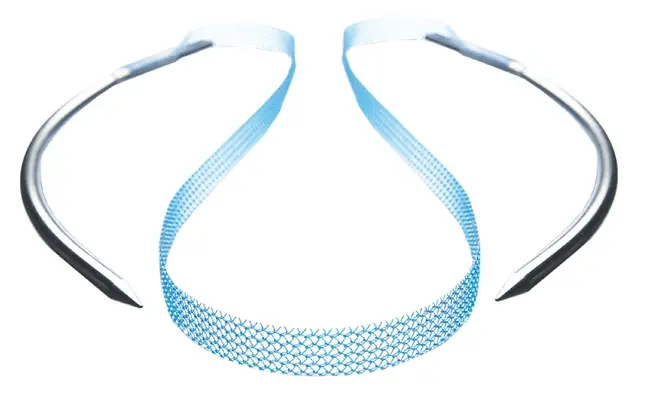
Supervised pelvic floor muscle training is usually an initial treatment. Other procedures include synthetic mid-urethral slings, own-tissue slings and colposuspension. These may offer a greater chance of sustained dryness but involve different recovery and complication risks. A bulking injection does not contain the same strip of mesh used in sling surgery, yet it still introduces material into the body. Avoid choosing solely on the description non-surgical or minimally invasive.
The day of treatment and recovery
The team reviews your medicines, allergies and urine results and explains pain relief and any fasting instructions. Afterwards, they check that you can pass urine adequately. Temporary catheter drainage may be needed if emptying is difficult. Burning, mild discomfort and a little blood in the urine can occur. Follow the advice on fluids, medicines, driving, work and sex appropriate to the anaesthetic and the actual procedure rather than assuming every patient has identical restrictions.
Repeat treatment and follow-up
A first injection may give partial improvement, and a further injection can be discussed. Benefit may also reduce over time. Follow-up should assess leakage, comfort and emptying before deciding whether more bulking or a different approach makes sense. Seek urgent help for inability to urinate, fever with feeling unwell, severe worsening pain or heavy bleeding. Persistent burning, recurrent infections or an unexpectedly poor stream needs review rather than repeated self-treatment.
Discussing your options through DRHC
A consultation with Dr. Mansour Masoumi, Specialist Urologist, can help connect these choices with your symptoms, previous treatment, and practical priorities. Bring relevant results and a current medicine list. Care can be discussed and arranged through DRHC; the final treatment is chosen after an individual assessment and an explanation of the likely benefits, limitations, and alternatives.
Disclaimer:
This article is educational and does not replace a medical consultation. Do not use it for self-diagnosis or self-treatment, or to start, stop, or change medicines. Your doctor should guide decisions after assessing your circumstances.

Learn more about our Editorial Process.
Topic: Urology Blogs



Leave a comment