

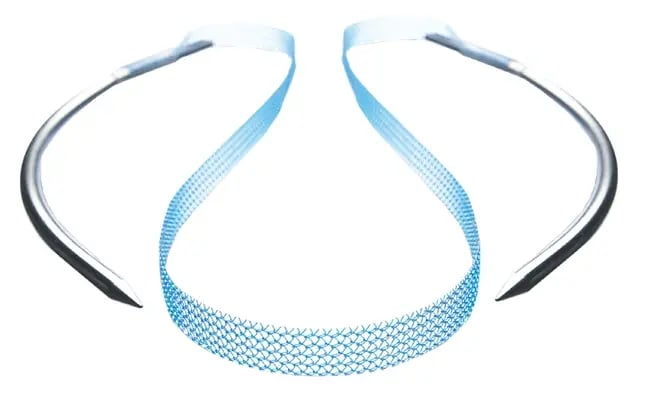
A retropubic mid-urethral sling, commonly called TVT or tension-free vaginal tape, supports the urethra to reduce stress urinary leakage. Stress leakage happens when coughing, sneezing, lifting or exercise increases pressure on the bladder. The operation places a narrow synthetic mesh strip beneath the middle of the urethra. It can help selected women, but it involves a permanent implant and needs an informed choice.
What retropubic means
The sling passes from a small vaginal incision through the space behind the pubic bone towards small lower abdominal incisions. This distinguishes it from the transobturator route towards the groin. During the operation, the surgeon checks the bladder with a telescope because the instruments pass nearby. The exact anaesthetic and discharge arrangements depend on your health and the surgical plan. Small skin wounds do not remove the need for careful preparation.
Making sure a sling addresses your symptoms
Your clinician will ask when leakage happens and whether urgency, infections, prolapse or poor emptying are present. Examination, a urine test, a cough stress test, and a bladder scan may help. Urodynamics is reserved for circumstances where it can clarify the decision. A sling does not directly treat an overactive bladder, and urgency may continue or occasionally worsen. Discuss which symptoms are most likely to change.
Considering the alternatives
Supervised pelvic floor muscle training is a usual first step. If symptoms remain troublesome, alternatives include urethral bulking injections, colposuspension, and an autologous sling made from your own tissue. A transobturator sling follows a different route and has different risks. Retropubic slings can provide effective stress leakage treatment, but no operation guarantees complete or lifelong dryness. Your choice should reflect the importance of avoiding mesh, recovery demands, and the likelihood of further treatment.
The risks that deserve clear discussion
Bladder injury, bleeding, infection and difficulty emptying are relevant early concerns. New or worsening urgency can occur. Later problems include mesh exposure in the vagina, erosion into the urinary tract, persistent pelvic pain or painful sex. Some women need further procedures. Complete removal of mesh can be difficult, and removal may not fully resolve pain or other symptoms. Ask for written information and time to consider the permanent nature of the implant.
Before and after the operation
Bring a medicine list and discuss anticoagulants without stopping them independently. Tell the team about infection symptoms, previous pelvic operations, and pregnancy plans. After treatment, checks assess whether you can empty your bladder adequately. Temporary catheter drainage is sometimes needed. Arrange help with strenuous household tasks and follow the specific plan for work, lifting, driving, exercise, and sex. Healing and bladder function matter more than a fixed recovery deadline.
Long-term care and seeking help
Keep your implant details and attend follow-up even if the leakage improves quickly. Inability to urinate, fever with illness, heavy bleeding, or severe worsening pain needs urgent care. Persistent vaginal discharge or bleeding, recurrent infections, pelvic pain, painful sex, or new urinary difficulty requires assessment, including when it begins years later. Reporting these symptoms helps the team investigate the cause rather than assuming that every problem is an ordinary bladder infection.
Discussing your options through DRHC
A consultation with Dr. Mansour Masoumi, Specialist Urologist, can help connect these choices with your symptoms, previous treatment, and practical priorities. Bring relevant results and a current medicine list. Care can be discussed and arranged through DRHC; the final treatment is chosen after an individual assessment and an explanation of the likely benefits, limitations, and alternatives.
Disclaimer:
This article is educational and does not replace a medical consultation. Do not use it for self-diagnosis or self-treatment, or to start, stop, or change medicines. Your doctor should guide decisions after assessing your circumstances.

Learn more about our Editorial Process.
Topic: Urology Blogs




Leave a comment