

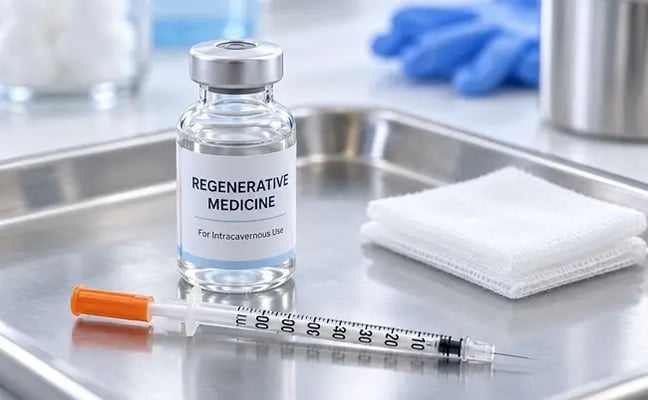
Regenerative treatment is an appealing idea when erections have changed after illness or surgery. Stem cell and stromal vascular fraction treatments are sometimes advertised as rebuilding penile tissue. At present, these approaches remain investigational for erectile dysfunction. They should not be presented as a proven way to restore nerves, reverse diabetes-related damage or avoid established treatments.
What do the names mean?
Stem cells can develop or act in ways that interest researchers studying repair. Stromal vascular fraction, often shortened to SVF, is a mixed collection of cells obtained from fatty tissue; it is not a single purified stem cell product. Adipose-derived preparations, bone-marrow preparations and cultured cells are different interventions. Findings about one cannot automatically establish the effectiveness or safety of another.
What is known so far?
Early human studies have mainly explored feasibility and safety in relatively small groups. Cell sources, processing, injection methods and patient characteristics differ considerably. The small controlled studies have not produced a dependable answer about effectiveness. Limited short-term observations cannot establish long-term safety. Both European and American professional guidance recognise that this is research territory rather than routine proven ED care.
Consider the whole procedure
A treatment derived from fat may require tissue harvesting as well as processing and penile injection. These steps add practical considerations, discomfort and risks beyond the injection itself. Ask exactly which material is being used, how it is prepared and who is responsible for each stage. Descriptions such as natural, autologous or same-day do not establish clinical benefit or regulatory compliance.
How to evaluate an offer
A credible research discussion identifies the study protocol, independent ethics review, eligibility criteria, monitoring arrangements, and follow-up. It explains uncertainties without promising a result. Ask whether evidence comes from controlled human studies in men with a similar cause of ED, rather than laboratory work or animal studies. A cell-processing device being permitted for another purpose does not establish that penile treatment works.
Keeping useful care moving
You can investigate research without abandoning established ED assessment. Diabetes care, vascular health, medicine review, and psychological support may all matter. Tablets, vacuum devices, prescribed injections and prosthesis surgery have different roles depending on your circumstances. If you have already received a cell-based treatment, tell your urologist what was used and when. New pain, swelling, fever or a developing lump deserves clinical review.
A consultation before committing to a course
Dr. Mansour Masoumi, Specialist Urologist, can discuss SVF and stem cell therapy for ED through DRHC. Bring your medicine list, previous treatment details, and questions about everyday life. The final treatment is chosen after an individual assessment of your health, anatomy, and priorities.
Disclaimer
This article provides general information only and does not replace a medical consultation. Do not use it to diagnose yourself, choose a procedure, or start, stop, or change treatment. Decisions about your care should be made with your doctor after an individual assessment.

Learn more about our Editorial Process.
Topic: Urology Blogs



Leave a comment