

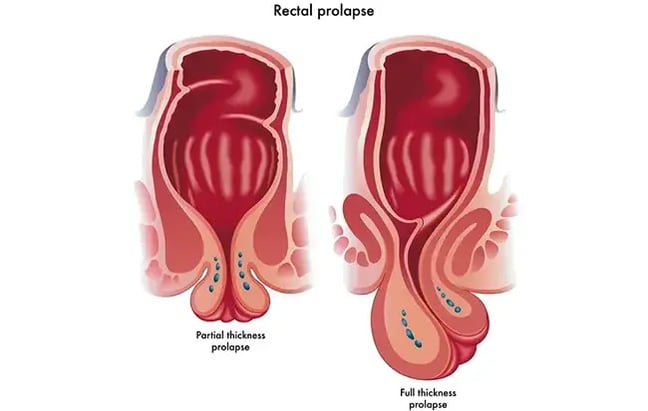
A prolapse does not automatically require an operation. Many women use a combination of practical changes, pelvic floor treatment, and a vaginal support pessary to reduce symptoms. The right combination depends on what bothers you, the examination findings, and your preferences. Non-surgical care can be a long-term choice or a useful approach while considering pregnancy, improving general health, or deciding about surgery.
A pessary provides support
A prolapse pessary is a removable device placed in the vagina to support the descending tissues. It is different from a dissolving vaginal medicine that may also be called a pessary. Several shapes and sizes exist, and fitting sometimes needs more than one attempt. A useful fit should feel comfortable, stay in place, and allow you to pass urine without difficulty.
Check how it fits daily life
Tell the clinician about exercise, sex, travel, and any difficulty using your hands or reaching the vagina. These details affect the device and care plan. Some women learn to remove and reinsert a suitable pessary themselves; others prefer scheduled clinic care. Ask what to do if it falls out and whom to contact if it becomes uncomfortable, rather than trying to force an unsuitable device back in.
Follow-up is part of the treatment
Pessaries need planned removal, cleaning, or replacement and checks of the vaginal tissues. The interval depends on the device, your ability to self-manage, and any previous problems. Do not leave one indefinitely because it feels comfortable. Bleeding, pain, offensive discharge, or new bladder or bowel difficulty needs review. Severe pain or inability to pass urine requires urgent assessment rather than waiting for the next scheduled change.
Pelvic floor and tissue care
A supervised training programme may reduce symptoms, particularly with milder prolapse. Technique matters: repeatedly pushing down is different from an inward lift. The programme should be tailored if muscles are painful or overly tense. Vaginal oestrogen may be considered for menopausal dryness or tissue discomfort when appropriate. It can support comfort, but should not be described as rebuilding the ligaments or curing the prolapse.
Reduce strain without giving up activity
Treat constipation and a persistent cough, and discuss lifting techniques and activities that make the bulge uncomfortable. Remaining active within a manageable routine is usually more practical than avoiding all movement. A physiotherapist can help adapt exercise. Review whether you can do more comfortably and whether the care arrangements are sustainable. If symptoms remain limiting, reassessment can include other pessaries or a discussion about surgery.
Arrange an individual review
A consultation through DRHC with Dr. Mansour Masoumi, Specialist Urologist, can help put these options into the context of your symptoms, health, and priorities. Bring previous reports and a list of medicines, including non-prescription products. The final treatment is chosen after individual assessment and discussion of the options appropriate for you.
Disclaimer
This article is for education only and does not replace medical advice. It is not intended for self-diagnosis or self-treatment. Do not start, stop, or change treatment on the basis of this information; discuss your own care with a qualified clinician.

Learn more about our Editorial Process.
Topic: Urology Blogs




Leave a comment