


When urinary symptoms continue despite simple changes, the next step is to review the explanation and the treatment already tried. Adding another tablet or arranging surgery without that review may miss the main problem. Persistent LUTS can involve the bladder, prostate, urethra, or more than one contributor, and the plan should match the symptoms that remain troublesome.
Revisit the starting point
Bring a record of medicines, doses prescribed, how long you used them, and what happened. The clinician may repeat a urine test, review a bladder diary, and measure flow or residual urine. New symptoms or previous operations may change the interpretation. A medicine that helped the stream but left urgency unchanged may have addressed one component while another still needs attention.
Match medicines to the problem
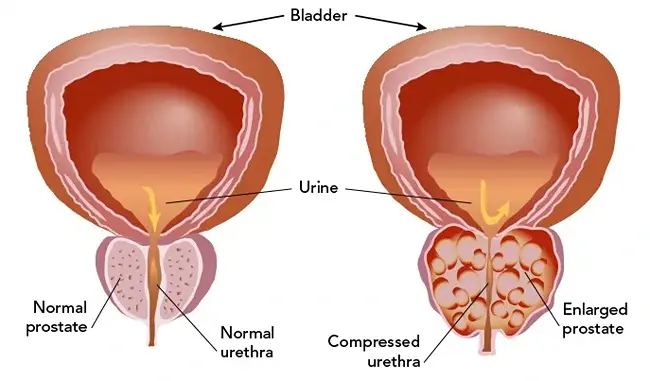
In men with an appropriate prostate-related pattern, alpha-blockers can relax the outlet, and other medicines may gradually reduce prostate enlargement. Urgency treatments act on bladder storage, but suitability depends partly on emptying and other conditions. Selected men may use tadalafil after a medical and heart-health review. Expected time to benefit and possible effects on dizziness, ejaculation, or sexual function should be explained.
Night-time symptoms need particular care
Nocturia may persist even when daytime flow improves because overnight urine production or sleep is the main contributor. Desmopressin is considered only for selected patients after assessment. It can cause a dangerous fall in blood sodium, so selection, fluid instructions, and blood monitoring matter. It is not a general sleeping medicine or something to try simply because getting up at night is inconvenient.
When bladder tests may help
Urodynamics can sometimes distinguish obstruction from weak bladder contraction or clarify complex storage symptoms before invasive treatment. Cystoscopy answers different questions, such as whether a narrowing or abnormality is present. These tests are chosen for a reason rather than routinely for everyone. Ask what uncertainty remains and whether the result is likely to change the proposed treatment or expected outcome.
Making a procedure decision
Surgery may be useful for confirmed obstruction, troublesome symptoms despite suitable treatment, or complications such as repeated retention. The choice depends on anatomy, prostate size when relevant, medical fitness, and priorities, including ejaculation. Improving an obstruction does not guarantee every urgency or night-time symptom will disappear. Agree on realistic goals, recovery arrangements, and follow-up. Inability to pass urine, fever, or visible bleeding with clots requires prompt care.
Discuss your next step
A consultation with Dr. Mansour Masoumi, Specialist Urologist, through DRHC can help you review persistent symptoms and compare medicines, selected tests, and procedures against achievable goals. The final treatment is chosen after an individual assessment and discussion of your preferences. Bring previous results and a medicine list so the advice can be based on your own circumstances.
Disclaimer
This article is for education and does not replace a medical consultation. Do not use it for self-diagnosis or self-treatment, or to start, stop, or change medicines. Your doctor should guide care after considering your symptoms, medical history, and individual circumstances.

Learn more about our Editorial Process.
Topic: Urology Blogs




Leave a comment