


Concern about penile size is a common reason to seek a private urology consultation. The first useful question is what has changed or what you want help with: appearance when relaxed, erect length, girth, concealment by surrounding tissue, or confidence during intimacy. These are different concerns and may need different responses.
Measurement needs context
Flaccid size changes with temperature, stress, and recent activity. It is not a reliable stand-alone guide to erect size. A clinician can measure the penis consistently, assess stretched length, and examine the skin, fat pad, and tissue beneath. Photographs, online averages, and measurements taken in different ways can create misleading comparisons. Repeated daily checking rarely gives a clearer answer.
Look for a cause
A normal-sized penis can appear shorter if covered by surrounding tissue, sometimes called a buried penis. New shortening, a bend, pain, or erection difficulty may indicate a separate problem, such as Peyronie’s disease. True micropenis is a specific developmental diagnosis, not simply a description of feeling too small. Identifying the cause prevents cosmetic treatment from being offered for a problem that needs different care.
What are you hoping to change?
Bring a concrete goal rather than a target taken from an advertisement. Ask whether the proposed approach changes flaccid appearance, erect dimensions, or only temporary fullness. No procedure should promise better relationships, guaranteed sexual satisfaction, or a particular partner response. Your comfort, erection quality, and ability to have enjoyable sex matter alongside measurements.
Understanding the options
Counselling, addressing weight-related concealment, and selected clinician-supervised traction approaches may be discussed before invasive treatment. Cosmetic fillers and surgery have different evidence, limitations, and complication profiles. Ligament release does not reliably add erect length. Subcutaneous silicone sleeves such as Himplant remain investigational in professional guidance. Unregulated injections, forceful stretching, and internet enlargement products can damage tissue and should not be used as self-treatment.
When confidence needs its own support
If thoughts about size dominate your day, lead to avoidance, or continue despite reassurance, a psychological assessment can be useful. This is part of responsible care, not a dismissal of the concern. Surgery may not relieve distress focused on a normal body feature. You should have space to consider advice, seek another opinion, and decide against intervention without pressure.
Your consultation
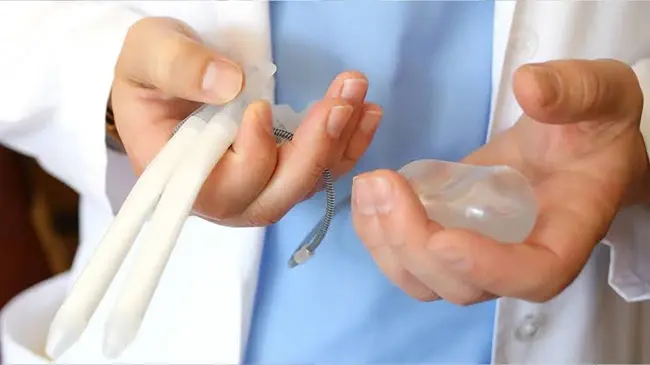
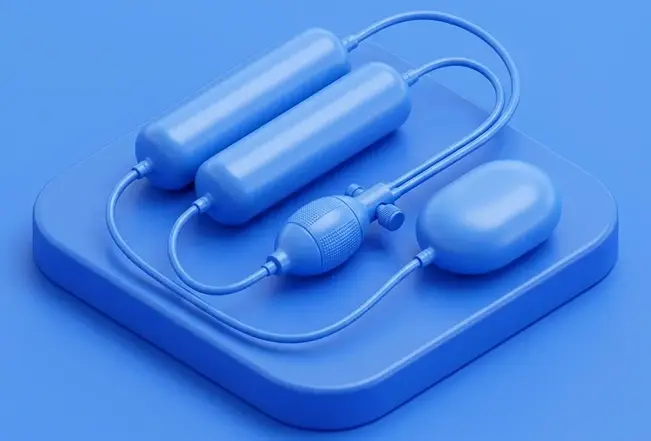
Dr. Mansour Masoumi, Specialist Urologist, can discuss recovery after penile prosthesis surgery through DRHC. Bring your medicine list, previous treatment details, and questions about everyday life. The final treatment is chosen after an individual assessment of your health, anatomy, and priorities.
Disclaimer
This article provides general information only and does not replace a medical consultation. Do not use it to diagnose yourself, choose a procedure, or start, stop, or change treatment. Decisions about your care should be made with your doctor after an individual assessment.

Learn more about our Editorial Process.
Topic: Urology Blogs



Leave a comment