

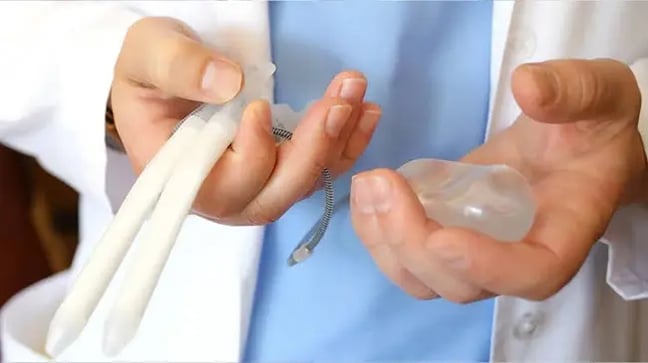
After penile prosthesis surgery, learning the recovery plan is the first step towards using the device confidently. The early aim is healing, rather than testing sexual performance. Your own instructions depend on the implant, surgical approach, and medical history. Keep the team’s contact details and written advice somewhere easy to find when you return home.
The first days
Soreness, bruising, and swelling can occur around the penis and scrotum. Follow the prescribed pain relief and wound-care plan. If a catheter is used, your team explains its removal and what to do if passing urine becomes difficult. Dressings, support garments, and the initial position of the penis or inflation level should only be changed as instructed.
Protecting the wound
Check the area as advised without repeatedly manipulating the implant. Ask when showering is permitted and when soaking, swimming, and cycling can resume. Do not add creams or antiseptics that have not been recommended. Your return to work depends on discomfort and the physical demands of the job; lifting and strenuous exercise often need a longer pause than desk work.
Learning the controls
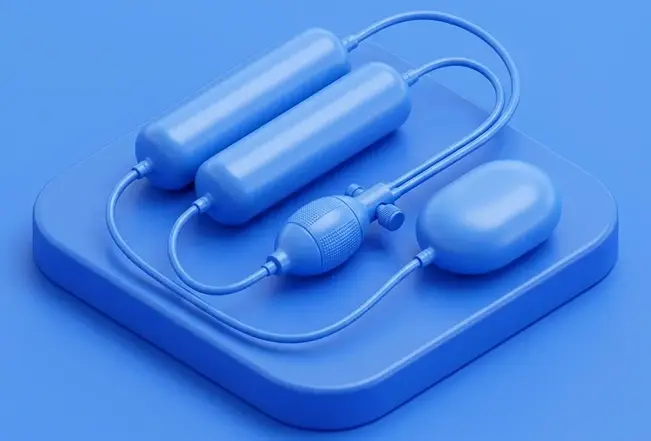
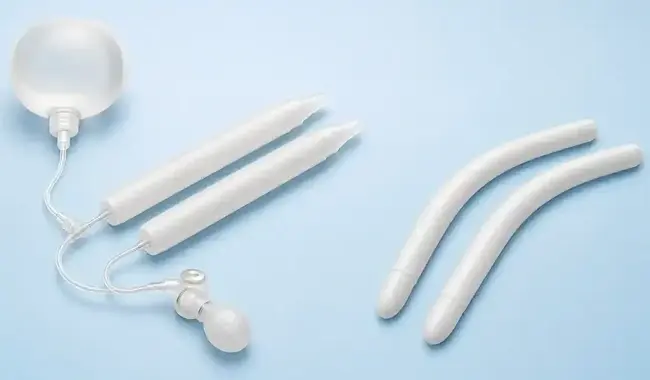
With an inflatable prosthesis, activation teaching begins after the surgeon is satisfied with healing. Finding the pump and learning its release mechanism may take practice. With a malleable device, you will be taught positioning and concealment. Ask for another demonstration if uncertain. Never force a mechanism or follow generic online instructions for a different model.
Returning to sexual activity
Wait for the treating team to clear intercourse and masturbation. Mild apprehension is common when using a new mechanical system; a calm first attempt, lubrication where appropriate and communication can help. Tell the clinician about persistent pain, difficulty using the device or a result that prevents comfortable sexual activity. Firmness, desire and orgasm are separate aspects of sexual function.
Looking after the device over time
Seek prompt advice for fever, spreading redness, discharge, worsening pain, skin breakdown, an exposed component or urinary difficulty. A persistent erection-like state caused by an inflatable device that will not deflate needs urgent contact with your implant team. Keep a record of the implant model and surgery details, and tell future clinicians about it. Devices can eventually require revision; routine review helps address concerns early.
Your consultation
Dr. Mansour Masoumi, Specialist Urologist, can discuss recovery after penile prosthesis surgery through DRHC. Bring your medicine list, previous treatment details and questions about everyday life. The final treatment is chosen after an individual assessment of your health, anatomy and priorities.
Disclaimer
This article provides general information only and does not replace a medical consultation. Do not use it to diagnose yourself, choose a procedure, or start, stop, or change treatment. Decisions about your care should be made with your doctor after an individual assessment.

Learn more about our Editorial Process.
Topic: Urology Blogs



Leave a comment