

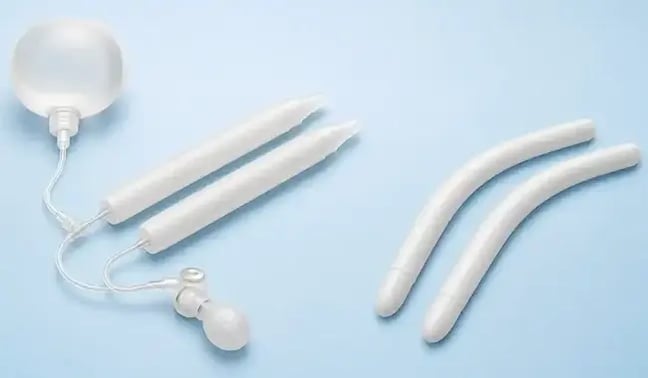
A malleable penile prosthesis uses bendable rods to provide reliable mechanical firmness. It is sometimes called a semi-rigid implant. Unlike an inflatable system, it does not need a scrotal pump. For some men this simplicity is helpful; for others, the continuing firmness between sexual activities is a significant disadvantage worth exploring before surgery.
Living with bendable rods
The rods sit inside the erectile chambers of the penis. You position the penis upwards for sexual activity and downwards for everyday concealment, following the instructions for your device. It remains firmer than a naturally flaccid penis. Clothing, exercise and comfort while sitting can therefore be important parts of your decision, rather than small details to consider afterwards.
Who may prefer this approach?
A malleable device may suit someone who cannot comfortably operate an inflatable pump or prefers fewer moving parts. Previous surgery, anatomy, health and available support can influence the recommendation. Simplicity does not automatically make it the best implant for everyone. Try handling a model and explain your daily routines, physical work and any concerns about concealment.
Set clear expectations
The aim is firmness sufficient for sexual activity, not permanent enlargement or treatment of low desire. Your existing sensation and ability to orgasm may remain, but cannot be guaranteed. Prior prostate treatment, nerve conditions and other health issues still matter. The head of the penis may remain comparatively soft. Discuss any pain, curvature or loss of length during the assessment.
Operation and recovery
Implantation requires anaesthesia and surgery in a suitable facility. The surgeon explains wound care, pain relief and any temporary catheter plan. You should receive specific advice about positioning the penis, showering and returning to activity. Do not test the rods or resume sex early to check the result. The follow-up examination helps decide when healing permits comfortable use.
Long-term responsibilities
Although there is no pumping mechanism, a malleable implant can still become infected, erode into surrounding tissue or require revision. Persistent pressure discomfort deserves review. Increasing redness, discharge, fever, severe pain or difficulty passing urine needs prompt medical attention. Surgery changes the erectile tissue permanently; device removal does not restore the original situation. Discuss future support before committing to an implant.
A consultation before committing to a course
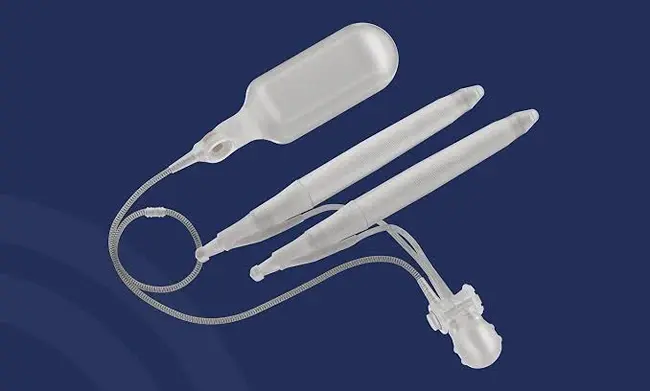
Dr. Mansour Masoumi, Specialist Urologist, can discuss inflatable penile prosthesis through DRHC. Bring your medicine list, previous treatment details, and questions about everyday life. The final treatment is chosen after an individual assessment of your health, anatomy, and priorities.
Disclaimer
This article provides general information only and does not replace a medical consultation. Do not use it to diagnose yourself, choose a procedure, or start, stop, or change treatment. Decisions about your care should be made with your doctor after an individual assessment.

Learn more about our Editorial Process.
Topic: Urology Blogs



Leave a comment