

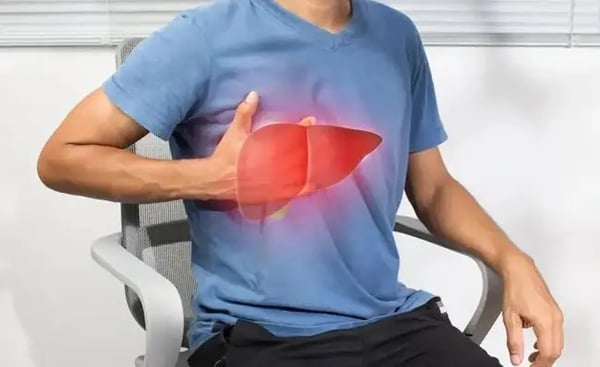
Being diagnosed with liver cirrhosis can understandably raise many questions and concerns. One of the most common is: “Why do I need a gastroscopy if I do not have any stomach or swallowing problems?”
The reason is important. Cirrhosis can increase pressure in the veins that carry blood through the liver. This increased pressure, known as portal hypertension, can cause enlarged veins called oesophageal varices to develop in the oesophagus (food pipe). These veins may not cause any symptoms at first, but if they rupture and bleed, the bleeding can be severe and potentially life-threatening.
This is why your gastroenterologist may recommend a gastroscopy after a diagnosis of liver cirrhosis. The examination allows the doctor to look directly at the oesophagus and stomach, identify varices, assess their risk of bleeding, and recommend preventive treatment when appropriate.
What Is Liver Cirrhosis?
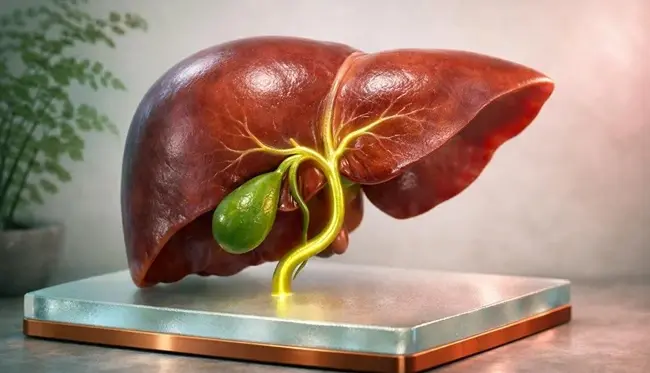
Liver cirrhosis is a condition in which long-term liver injury causes healthy liver tissue to become scarred. As scarring progresses, the liver may have increasing difficulty performing its normal functions.
Cirrhosis can have several causes, including chronic viral hepatitis, alcohol-related liver disease, metabolic dysfunction-associated fatty liver disease, autoimmune liver conditions, and certain inherited or metabolic disorders.
Early cirrhosis may cause few or no noticeable symptoms. As the condition progresses, complications such as jaundice, abdominal swelling, leg swelling, confusion, bleeding problems, and portal hypertension may occur. Regular medical follow-up is therefore an important part of living safely with cirrhosis.
For more information about this condition, see our Liver Cirrhosis resource at DRHC.
What Are Oesophageal Varices?
Oesophageal varices are enlarged, swollen veins in the wall of the oesophagus. They usually develop because of portal hypertension, which can occur when scarring in the liver makes it more difficult for blood to flow normally through the liver.
To find another route back to the heart, blood may be redirected through smaller veins around the oesophagus. These veins can become stretched and enlarged, forming varices.
The important point is that oesophageal varices often do not cause symptoms until they bleed. A person may therefore feel completely well while varices are already present.
Why Does Cirrhosis Increase the Risk of Oesophageal Varices?
A healthy liver allows blood from the digestive system to pass through it relatively easily. Significant scarring changes the structure of the liver and increases resistance to blood flow.
This can raise pressure in the portal venous system. Over time, the increased pressure can cause veins in areas such as the oesophagus and stomach to enlarge.
If these veins become large and fragile enough, they can rupture. Bleeding from oesophageal varices is a medical emergency and requires immediate treatment.
Why Is Gastroscopy Recommended for People With Cirrhosis?
A gastroscopy, also called an upper gastrointestinal endoscopy or upper GI endoscopy, uses a thin, flexible tube with a camera to examine the oesophagus, stomach, and first part of the small intestine.
For someone with cirrhosis, gastroscopy can be particularly important because it allows the gastroenterologist to:
- Check whether oesophageal or gastric varices are present.
- Assess the size and appearance of varices.
- Look for signs suggesting a higher risk of bleeding.
- Identify other abnormalities in the upper digestive tract.
- Provide endoscopic treatment when clinically indicated, such as variceal band ligation.
Because varices can be silent, waiting until symptoms develop is not a safe screening strategy. Your doctor will determine whether and when gastroscopy is appropriate based on your cirrhosis, overall health, previous endoscopy findings, and other risk factors.
What Happens During a Gastroscopy?
Many patients feel anxious when they hear that a camera will be passed through the mouth. It is natural to feel this way, but gastroscopy is a commonly performed procedure and is generally well tolerated.
During the procedure, a flexible endoscope is gently passed through the mouth and into the oesophagus, stomach, and duodenum. A camera at the tip allows the gastroenterologist to view the digestive tract on a screen.
Depending on your individual circumstances, local throat anaesthetic and/or sedation may be used to make you more comfortable. Gastroscopy itself is usually relatively brief, although you should allow additional time for preparation and recovery.
At DRHC Dubai, gastroscopy is available as part of the Gastroenterology Clinic's diagnostic and therapeutic services.
What If Varices Are Found During Gastroscopy?
Finding varices does not automatically mean that they will bleed. Their size, appearance, and your overall risk profile help the gastroenterologist decide what should happen next.
Depending on the findings, your doctor may recommend monitoring, medication to reduce the risk of bleeding, or an endoscopic treatment.
Oesophageal Variceal Band Ligation
One endoscopic treatment is variceal band ligation. During this procedure, small elastic bands are placed around selected varices. The bands reduce blood flow to the targeted vein, causing it to shrink and eventually close.
Band ligation may be recommended when varices have a significant risk of bleeding or when active variceal bleeding needs to be controlled. In some situations, repeated treatment sessions are necessary.
You can learn more about Oesophageal Varices Ligation at DRHC Dubai.
Can Oesophageal Varices Cause Symptoms?
Usually, varices do not cause noticeable symptoms before they bleed. This is one of the main reasons screening and follow-up are important for people with cirrhosis.
If varices bleed, possible warning signs include:
- Vomiting blood or material that looks like coffee grounds.
- Black, tarry stools.
- Bright red blood in the stool in some cases.
- Dizziness or fainting.
- Marked weakness or light-headedness.
- Pale or clammy skin, particularly with significant blood loss.
Vomiting blood or passing black, tarry stools requires emergency medical attention. Do not wait for a routine appointment if these symptoms occur.
How Often Is Gastroscopy Needed in Cirrhosis?
There is no single schedule that is appropriate for every person with cirrhosis. The timing of repeat endoscopy depends on whether varices are present, their size and bleeding risk, whether treatment has already been performed, the severity of liver disease, and other clinical factors.
Your gastroenterologist will establish an appropriate surveillance plan for you. If varices are discovered, follow-up may be needed to monitor their progression or response to treatment.
It is important not to assume that you no longer need monitoring simply because your previous gastroscopy was normal. Your risk can change as liver disease progresses.
Is Gastroscopy Painful?
This is one of the most common concerns patients have. Gastroscopy can feel uncomfortable, particularly because of the sensation of the endoscope passing through the throat, but it should not be painful for most patients.
Sedation or throat anaesthetic may be used depending on the procedure and your medical needs. Afterward, you may experience a mild sore throat, temporary bloating, or sleepiness if sedation was given.
Your gastroenterology team will explain the preparation, sedation options, medications, and recovery instructions before the procedure.
Does Everyone With Cirrhosis Develop Oesophageal Varices?
No. Not every person with cirrhosis develops oesophageal varices, and not every varix will bleed.
However, because varices can develop as portal hypertension progresses and may remain silent, appropriate assessment is important. Your doctor may use gastroscopy and other clinical information to determine your individual risk and follow-up needs.
Can Oesophageal Variceal Bleeding Be Prevented?
In many patients, the risk of bleeding can be reduced through appropriate management. This may involve treating the underlying liver disease, monitoring the liver and portal hypertension, using prescribed medications when appropriate, and performing endoscopic treatment such as band ligation when indicated.
It is also important to follow your liver specialist's advice regarding alcohol, medications, nutrition, vaccinations, and management of conditions that may contribute to further liver injury.
Do not stop or start medicines on your own, particularly if you have cirrhosis. Some commonly used medicines may need special consideration in people with advanced liver disease.
When Should You Seek Urgent Medical Help?
If you have cirrhosis and experience vomiting blood, black stools, fainting, severe dizziness, or sudden weakness, seek emergency medical care immediately. Variceal bleeding can become serious very quickly.
These symptoms should not be managed by waiting for a scheduled gastroscopy or routine gastroenterology appointment.

Learn more about our Editorial Process.
Topic: Gastroenterolgy Liver Disease



Leave a comment