

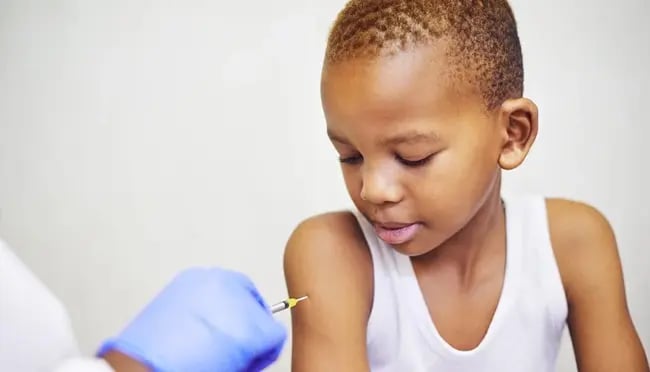
It is natural to have questions when your teenager is due for the HPV vaccine. Parents may wonder about side effects, long-term safety, fertility, or whether their child really needs the vaccine at this age. These concerns deserve clear, evidence-based answers rather than confusing information from social media or unreliable websites.
HPV, or human papillomavirus, is a very common virus. Some HPV infections can persist and contribute to cancers later in life. HPV vaccination is designed to prevent these infections before exposure occurs. The World Health Organization (WHO) and other public health authorities continue to report a reassuring safety profile for HPV vaccines.
At Dr. Rami Hamed Center (DRHC) in Dubai, parents can discuss HPV vaccination with the pediatric team and ask questions about their teenager's individual health and vaccination history.
What Is the HPV Vaccine and Why Is It Given to Teenagers?
HPV is a group of viruses that can spread through intimate skin-to-skin contact. While many HPV infections clear naturally, persistent infection with certain types can contribute to cervical, anal, penile, vulvar, vaginal, and some throat cancers.
The HPV vaccine helps prevent infection with HPV types that are associated with these diseases. It works best when given before a person is exposed to HPV, which is why vaccination is recommended during the preteen and teenage years.
Is the HPV Vaccine Safe for Teenagers?
Yes. Current evidence shows that HPV vaccines have a reassuring safety record. HPV vaccines have been studied in clinical trials and continue to be monitored after introduction into vaccination programs. WHO's recent safety review found that the risk of serious adverse events following HPV vaccination in adolescent girls is low.
Like any vaccine or medicine, the HPV vaccine can cause side effects. Most are temporary and mild, such as pain, redness, or swelling where the injection was given, headache, tiredness, fever, nausea, or muscle and joint discomfort.
Common Parent Concern: “Could the HPV Vaccine Cause a Serious Reaction?”
Serious reactions are uncommon. A severe allergic reaction, known as anaphylaxis, can occur after vaccination, but it is rare. Healthcare professionals are prepared to recognize and manage such reactions.
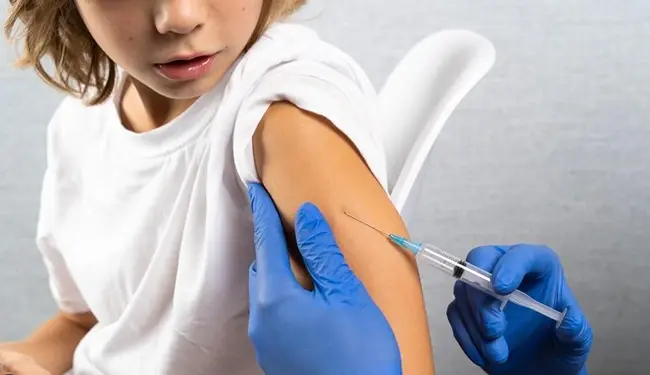
Teenagers can also faint after injections because of anxiety, pain, or the medical procedure itself. For this reason, adolescents are generally observed while seated or lying down for a period after vaccination to reduce the risk of injury from fainting.
If your teenager has previously experienced a severe allergic reaction to a vaccine or has a known serious allergy, tell the pediatrician before vaccination.
Can the HPV Vaccine Affect Fertility?
Current evidence does not show that HPV vaccination causes infertility. Concerns about fertility have been investigated, but available evidence has not established a causal link between HPV vaccination and infertility.
It is also important to remember that HPV-related diseases can sometimes require medical or surgical treatment. Preventing HPV infection can therefore help reduce the risk of diseases that may affect long-term health.
Does the HPV Vaccine Cause HPV Infection?
No. HPV vaccines are designed to stimulate an immune response that helps protect against targeted HPV types. They do not contain live HPV capable of causing an HPV infection.
The vaccine is preventive rather than a treatment. It helps prevent new HPV infections but does not treat an HPV infection that someone already has.
Does HPV Vaccination Encourage Sexual Activity?
This is a concern some parents have, particularly because HPV is commonly transmitted through intimate contact. However, the purpose of vaccination is cancer and disease prevention. HPV vaccination is recommended before potential exposure because this is when it can provide the greatest preventive benefit.
Giving your teenager the vaccine does not mean assuming anything about their current behavior. It is simply an opportunity to provide protection before it may be needed.
Do Boys Need the HPV Vaccine Too?
Yes, HPV can affect males as well as females. Persistent HPV infection can contribute to certain cancers and other conditions affecting both sexes.
For this reason, HPV vaccination recommendations in many countries include boys as well as girls. Your pediatrician can explain the recommendations applicable to your teenager and how HPV vaccination fits into their overall child vaccination schedule in Dubai.
How Many HPV Vaccine Doses Does a Teenager Need?
The number of doses depends mainly on the age at which vaccination begins and certain health factors. For example, CDC guidance recommends two doses for most children who start the series before their 15th birthday. Those who begin vaccination at ages 15 through 26 generally need three doses, and three doses are also recommended for people with certain weakened immune systems.
Vaccination schedules can vary according to local recommendations and individual circumstances. Your pediatrician can review your teenager's age, previous vaccination records, and medical history before advising on the appropriate schedule.
What Should I Tell the Pediatrician Before HPV Vaccination?
Before your teenager receives an HPV vaccination in Dubai, tell the pediatrician about:
- Previous serious allergic reactions to vaccines
- Known allergies
- Any significant reaction after an earlier vaccine
- Current medical conditions
- Medications your teenager regularly takes
- Any immune system condition or treatment that affects immunity
- Whether your teenager is currently moderately or severely unwell
- Previous HPV vaccine doses, if any
Do not worry if you are unsure about something. Bring the vaccination record and explain what you know. The pediatric team can help clarify the rest.
What Can Parents Expect After the HPV Vaccine?
Your teenager may have temporary soreness, redness, or swelling around the injection site. Headache, tiredness, fever, nausea, or muscle or joint discomfort can also occur. These reactions are generally short-lived.
Because fainting can occur after injections, teenagers should remain seated or under observation for a short period after vaccination. If your child develops symptoms of a severe allergic reaction, such as difficulty breathing, swelling of the face or throat, widespread hives, severe weakness, or collapse, seek emergency medical attention.

Learn more about our Editorial Process.
Topic: Pediatric Blogs



Leave a comment