

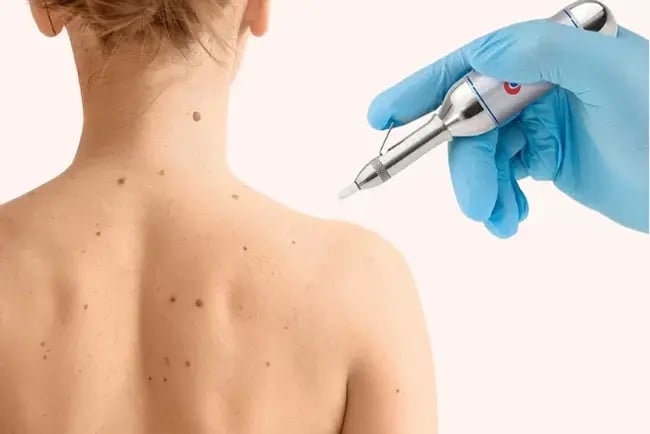
Skin cryotherapy is one of the most commonly used minimally invasive dermatology treatments for removing abnormal or unwanted skin tissue. It is widely trusted because it is quick, effective, and suitable for many common skin conditions.
However, many patients still ask an important question: How successful is cryotherapy, and which skin conditions respond best?
The answer depends on several factors, including the type of skin lesion, its size, depth, location, and how early treatment begins.
At the DRHC Dermatology Department in Dubai, cryotherapy is commonly used to treat a variety of benign and precancerous skin lesions using modern dermatology techniques and personalized treatment plans.
What Is Skin Cryotherapy?
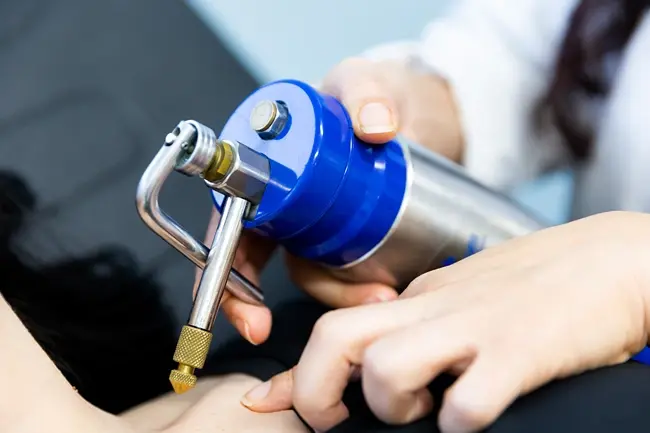
Skin cryotherapy is a treatment that uses extreme cold—usually liquid nitrogen—to freeze and destroy abnormal skin tissue.
The freezing process damages targeted cells, allowing the treated lesion to gradually dry out, scab, and fall away while healthy skin heals underneath.
Cryotherapy is considered minimally invasive and is often completed during a short outpatient visit.
What Affects Cryotherapy Success Rates?
The effectiveness of cryotherapy depends on several important factors:
- The type of skin condition
- The size and thickness of the lesion
- The location on the body
- The patient’s skin type
- The number of treatment sessions
- How early the lesion is treated
Some conditions respond very quickly, while others may require repeated sessions.
Cryotherapy Success Rates by Skin Condition
1. Warts
Cryotherapy is one of the most effective treatments for common and plantar warts.
Many patients experience significant improvement after several sessions, especially when treatment starts early.
However, deeper plantar warts or long-standing viral warts may require multiple treatments because the virus can extend beneath the skin surface.
Patients may also explore skin tag and wart removal treatments available at DRHC Dubai.
2. Skin Tags
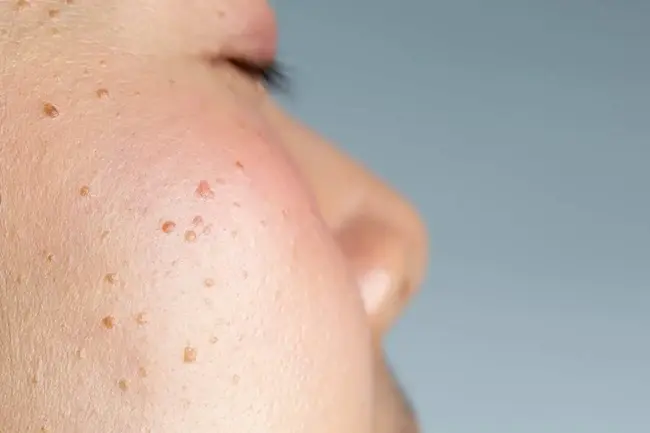
Skin tags generally respond extremely well to cryotherapy.
In many cases:
- One session is enough
- The skin tag dries and falls off naturally
- Recovery is quick with minimal downtime
Smaller lesions often show excellent cosmetic outcomes.
3. Seborrheic Keratosis
Seborrheic keratosis—common waxy benign growths seen with aging—usually responds very well to cryotherapy.
Success rates are generally high, although thicker lesions may occasionally require repeat treatment.
4. Actinic Keratosis
Actinic keratosis is a precancerous lesion caused by long-term sun exposure.
Cryotherapy is highly effective for many superficial actinic keratosis lesions and helps destroy abnormal cells before they progress further.
5. Superficial Sunspots and Benign Pigmented Lesions
Selected superficial pigmented lesions may improve with cryotherapy depending on their depth and diagnosis.
Some pigmentation concerns may also benefit from laser hyperpigmentation treatments available at DRHC Dubai.
When Might Cryotherapy Be Less Effective?
Cryotherapy may be less successful when:
- Lesions are very thick or deep
- Warts are resistant or recurrent
- The diagnosis is uncertain
- The lesion extends below the skin surface
- The patient stops treatment too early
Some lesions may require alternative or combination treatments such as laser procedures, surgical removal, or biopsy.
Why Accurate Diagnosis Matters
Not all skin lesions are suitable for cryotherapy.
Some skin cancers and abnormal lesions can resemble harmless growths, making proper dermatology evaluation extremely important before treatment.
In selected cases, further assessment such as skin cancer screening or evaluation for melanoma detection and treatment may be recommended.
What Happens During Cryotherapy?
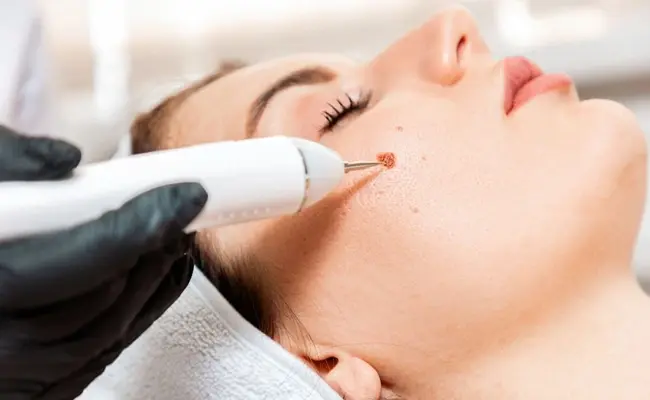
The procedure is usually simple and quick.
- The lesion is examined carefully
- Liquid nitrogen is applied directly to the affected skin
- The tissue freezes rapidly
- The abnormal cells gradually break down
Most procedures are completed within minutes.
What to Expect After Treatment
After cryotherapy, the skin may temporarily develop:
- Redness
- Swelling
- Blistering
- Scabbing
- Temporary pigmentation changes
These are usually normal healing responses.
How Long Does Recovery Take?
Recovery time depends on the size and location of the lesion.
Many patients heal within 1–3 weeks and return to normal daily activities immediately after treatment.
How to Improve Treatment Outcomes
- Seek treatment early
- Attend recommended follow-up sessions
- Avoid picking at treated skin
- Follow aftercare instructions carefully
- Protect healing skin from excessive sun exposure
Patients interested in improving skin texture and appearance after healing may also explore laser skin rejuvenation treatments available at DRHC Dubai.

Learn more about our Editorial Process.
Topic: Dermatology Cryotherapy



Leave a comment